Field journal / Commercial sewer rehabilitation
Restaurant hydro jetting
and a 200-foot sewer lining project.
This restaurant hydro jetting and rehabilitation project involved approximately 200 feet of sewer at a historic restaurant. The documented work combined cast-iron descaling, hydro jetting and debris removal with four CIPP liners installed through one access point.
Table of Contents
Restaurant hydro jetting: The restaurant project
This commercial sewer project brought cleaning and rehabilitation together. Our original field caption describes a historic restaurant, cast-iron pipe preparation and approximately 200 feet of sewer lining. The restaurant name and precise location are not identified here.
The team descaled the cast iron, hydro-jetted the line, removed debris and flushed it clean. The lining stage used a Quadra-Shot approach: four liners through one access point. Our footage shows part of the equipment and material handling involved in the work.
Why cleaning came before lining
Cleaning and pipe repair have different jobs. Hydro jetting removes buildup from suitable lines. Descaling addresses deposits on the pipe interior. Neither is a repair for a broken pipe.
On this project, descaling, jetting and debris removal formed the preparation for lining. That sequence matters: the condition of the existing pipe and the surface being lined must be evaluated before choosing a rehabilitation method.
Four liners, one access point
The documented installation used four liners from a single access point. CIPP sewer lining rehabilitates suitable existing pipes from within. Multiple sections may require separate liners, and each installation must account for pipe size, route, connections and access.
This project’s scope does not establish the method, price or schedule for another restaurant. Those decisions depend on the findings at that property.
Watch the restaurant project
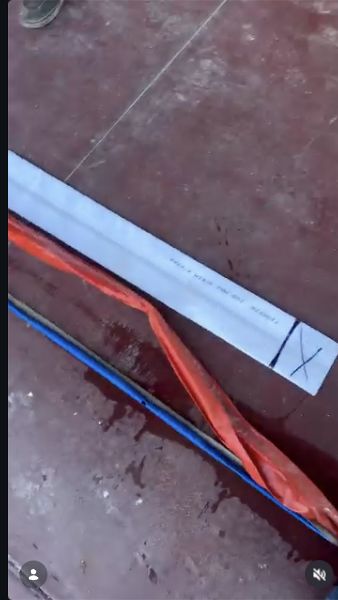
Our original video documents this specialty sewer work. The accompanying photo is a still from the same reel.
Open embedded Instagram video
Watch the original restaurant project on Instagram ↗
Planning work at a restaurant or commercial property
Tell our office which fixtures are affected, how often backups occur and what previous cleaning or inspection found. Share access arrangements and operating hours so the team can discuss the assessment and scheduling needs.
A sewer camera inspection can help explain visible pipe conditions. Depending on the findings, the next step may involve cleaning, trenchless rehabilitation or another repair. We explain suitable options and discuss the estimate before work proceeds.
For a residential example, see our 44-foot cast-iron sewer lining project in Pasadena.
Restaurant hydro jetting: 5 essential planning questions
This restaurant hydro jetting and lining case study documents cleaning and rehabilitation on one commercial project. The original record describes approximately 200 feet of lining, with four liners installed through one access point. Those facts belong to this project. Another restaurant’s assessment should establish its own condition, access and scope rather than assuming the same arrangement applies.
1. What is cleaning intended to address?
For restaurant hydro jetting, ask which observed buildup or service concern the proposed cleaning is intended to address. Keep that explanation separate from any rehabilitation or replacement recommendation. The work shown here combined preparation and lining, but a cleaning task and a repair serve different purposes. Ask the provider how each proposed stage relates to the findings at your property.
2. Which section is included?
A restaurant hydro jetting proposal should identify the line or section being discussed and the access used for it. Ask what lies outside the scope and how the work connects with a separate inspection or repair recommendation. A broad commercial-service label does not show that every connected branch or the complete sewer route is included.
3. What preparation and coordination are needed?
Tell the provider about access restrictions, occupancy and the people responsible for coordinating the property. Restaurant hydro jetting and any subsequent lining should be discussed as defined stages. Ask which services may be restricted, how updates will be communicated and who confirms when normal use can resume. Keep the sequence tied to the actual assessment rather than a schedule inferred from project footage.
4. What findings could change the plan?
Ask how additional observations during preparation would be documented and discussed before further work is selected. Restaurant hydro jetting may form part of a larger proposal, but that does not mean every possible repair is already included. Keep the approved scope and any revised recommendation linked to the finding that supports it, with the appropriate decision contact available.
5. What records should be retained?
Keep the serviced section, completed work, available footage and any follow-up instructions in the property file. Distinguish a future maintenance recommendation from rehabilitation that was actually completed. Restaurant hydro jetting records can help explain later recurrence, but the next recommendation should still respond to the current observations and the repair history of the line.
Plan from the property’s own evidence
When contacting SoCal Rooter, share the address, affected fixtures, recurrence pattern and relevant previous findings. The office can confirm availability and the appropriate next assessment. The restaurant hydro jetting example shown here preserves the original project photo and video; it does not identify another property’s method, price or schedule. A useful proposal explains its own preparation, access, repair boundaries and handover.
For your property
Recurring backups deserve a clear plan.
Contact our La Verne-based team about commercial hydro jetting, sewer inspection and lining. Our office confirms availability for your address and project.
Online requests require office confirmation.
Plan the details before work begins
Open the topics that apply to your property. These planning notes help you discuss the work, compare the scope and prepare for the next step.
Use this restaurant hydro jetting example to prepare questions
The following guidance is general planning information, not additional facts about the documented restaurant. This restaurant hydro jetting example remains the cleaning and rehabilitation project described above. Another property’s method, schedule and scope require their own assessment. The original footage illustrates the work recorded here without establishing a standard arrangement for every business.
Start with the current service concern at your location. Identify the affected fixtures, recurrence pattern and operational issue you need addressed. A cleaning request and a rehabilitation project can have different objectives. The proposal should connect each stage to the actual findings rather than copy the sequence of an example that involved different conditions.
The approximately 200-foot scope and four liners through one access point belong to this project. They should not be used to estimate another property’s length or access needs. Ask the provider to identify the relevant section and explain how the proposed work follows from the assessment at your actual address.
A useful restaurant hydro jetting discussion separates what is observed from what is proposed. A backup history describes the concern; inspection or other findings inform the response. Keeping that distinction clear helps an owner compare recommendations without turning a general symptom into a confirmed diagnosis of the entire commercial drainage system.
Use the case study to recognize questions worth asking, not to choose equipment settings or an installation method in advance. The appropriate professional should explain why the proposed approach fits the line. The business contact should understand the objective, boundary and next decision without needing to design the work independently.
Build a useful record of fixtures and recurrence
For your property, list each affected fixture and the date of the observation. Keep events in different areas separate until the assessment establishes their relationship. A sound, slow discharge and a visible backup can be relevant but are not identical observations. Clear labels help the provider understand the pattern without inheriting an assumed cause.
Include what earlier cleaning actually addressed and how long the observed improvement lasted. A service name alone may not identify the section. The restaurant hydro jetting history is more useful when completed work is documented and recommendations that were never performed remain clearly labeled as proposals rather than repairs already in place.
Ask staff to report what they observed during ordinary work, without deliberately recreating a backup. Identify the observer when useful. Several reports can be retained without combining them into a continuous event nobody witnessed completely. A factual record supports the assessment while leaving the investigation method to the appropriate professional.
If the condition changes before the appointment, tell the service contact promptly. Another affected fixture or visible water can make the current concern different from the initial request. The earlier history remains useful context, but it should not obscure a new condition that affects access, urgency or the purpose of the planned visit.
Keep the actual service address and building or unit reference with the records. An operator managing several sites can otherwise confuse similar symptoms or appointment dates. A restaurant hydro jetting file should make it possible for another authorized contact to identify the property and completed scope without relying on memory.
Keep cleaning and rehabilitation decisions distinct
On another property, ask what the cleaning stage is intended to accomplish. The objective might concern accumulated material, usable flow or information needed for a later assessment. Restaurant hydro jetting should be discussed against that objective, with the relevant section identified. Cleaning alone is not a structural repair for a damaged pipe.
If rehabilitation is proposed, ask which finding supports it and what remains outside that scope. The example above combined preparation with lining, but that does not mean every commercial cleaning request requires a liner. The provider should explain the relationship between each proposed stage and the evidence available at your location.
A preparation stage may change what can be observed. Ask whether the new information confirms the original plan or calls for review. Retain the finding and any revised recommendation together. A clear decision sequence is more useful than treating every possible repair as already included because the first appointment involved cleaning.
If a prior provider prepared the line, share the actual completed record. Do not assume any earlier restaurant hydro jetting visit satisfies every requirement for a different installation objective. The team proposing the repair should explain how the available history relates to readiness and what further information or work is needed.
When comparing alternatives, use the same condition and boundary. Rehabilitation and replacement are different approaches, and the method name should not replace a scope explanation. Ask what each option addresses, which questions remain and why the recommendation fits the actual findings rather than choosing from an unrelated commercial example.
Coordinate access, operations and decision contacts
Tell the provider about access windows, occupied areas and the people responsible for the property. The person opening the site may not be authorized to approve additional work. Identify both roles before the appointment so a restaurant hydro jetting assessment does not depend on an unarranged decision from whoever is present.
Describe the equipment area and access restrictions as you know them, without altering the line yourself. Do not open an unfamiliar cleanout or dismantle fixed features to prepare. The professional should explain what access is needed for the actual scope, and the property contact can coordinate the practical arrangements within that plan.
Ask which fixture-use restrictions apply and how staff will receive updates. A business may have several users who were not part of the original booking conversation. The actual work sequence should guide one current message, with a clear contact responsible for confirming when affected plumbing can return to normal use.
Do not infer a schedule from the project video or the number of liners used in this example. Restaurant hydro jetting and any subsequent repair should have a property-specific sequence. Ask what the stated timeframe includes, which conditions may affect it and how a change will be communicated to the authorized contact.
Where another contractor is involved, identify the handoff. Access closure and finish restoration can be separate tasks. The business should know who coordinates each remaining stage and what information is needed from the plumbing work, rather than assume all surrounding work is included in one broadly described service.
Compare restaurant hydro jetting proposals on the same basis
A restaurant hydro jetting estimate should identify the section, cleaning objective and included stages. One proposal may include inspection or documentation that another does not. Compare those details before comparing totals. Similar commercial-service labels can describe different work, and missing information should be clarified rather than filled with an assumption.
Ask whether the proposal is based on current findings or requires further assessment before its boundary is final. Both situations should be described honestly. A preliminary allowance should not be remembered as a confirmed complete scope if the information needed to define the work has not yet been obtained.
Clarify what inspection information will be supplied. A live viewing, saved recording and written explanation are different deliverables. Keep viewing limitations with the findings. The record should support later decisions without implying that every connected section was adequately assessed simply because some footage was available during the visit.
If findings change the restaurant hydro jetting plan, ask for the reason and revised scope to be recorded. Identify who can approve the next step. This keeps the final project understandable to an owner or manager who was not present, instead of relying on several people remembering a short conversation differently.
Before authorizing work, summarize the objective and major boundary in ordinary language. Ask the provider to correct any mismatch. The business contact should be able to explain what the service is intended to achieve and which tasks remain outside it, without having to interpret technical terminology alone.
Retain the completed result without overstating it
After your own project, keep the completed section and observed outcome with the supplied records. A restaurant hydro jetting result can include improved flow and a separate recommendation for further assessment. Retain both accurately rather than treating the cleaning visit as proof that every structural or connected-system question has been resolved.
If lining or another repair is completed, retain its specific scope separately from the cleaning record. The documents should show what each stage achieved. An earlier estimate for broader work should remain labeled as a proposal if it was not performed, so a future provider does not inherit an inaccurate repair history.
Keep care and warranty information in its actual form. Ask the relevant provider to explain unclear terms rather than substituting a general lifespan claim from another project. The useful record concerns the work at your site, with its own conditions and documentation, not an implied guarantee inferred from a case study.
For a later concern, make a new dated observation and compare it with the completed boundary. The restaurant hydro jetting record can provide context while the current assessment establishes the relationship. Similar symptoms do not automatically identify the same cause or show that the newly affected area was part of the earlier work.
If management changes, pass the relevant project records through the appropriate property contact. Keep pending recommendations clearly separate from completed tasks. A concise handoff helps the next authorized person understand the actual work without expanding its scope or assuming every option discussed during planning became part of the installation.
Request an assessment for the actual site
Begin with the address, affected fixtures and current symptoms. Add the recurrence pattern, available inspection records and known access constraints. A factual summary supports a useful restaurant hydro jetting conversation without requiring the business to guess a hidden pipe route or request the same repair shown in this example.
The original restaurant name and exact location are not identified in this case study. Do not treat the example as evidence about another business or building. The office can confirm availability for your address and discuss the appropriate assessment using the actual property information and coordination needs you provide.
Use the documented project to prepare questions about scope, sequence and handover. The next proposal should answer those questions from your property’s findings. A clear restaurant hydro jetting plan connects the observed concern to defined work and keeps any later rehabilitation decision separate until its basis and boundaries are understood.
Online requests require office confirmation. Identify the contact who can arrange entry and review additional findings, and report meaningful changes while the appointment is being arranged. The next step is a focused assessment for your property, with the case study serving as background rather than a promise of identical work.