Trenchless Sewer Repair in La Verne.
Repair below ground. Protect what is above it.
Explore trenchless sewer repair options that can reduce excavation and disruption to your property.
THE RIGHT APPROACH
When trenchless sewer repair fits the line
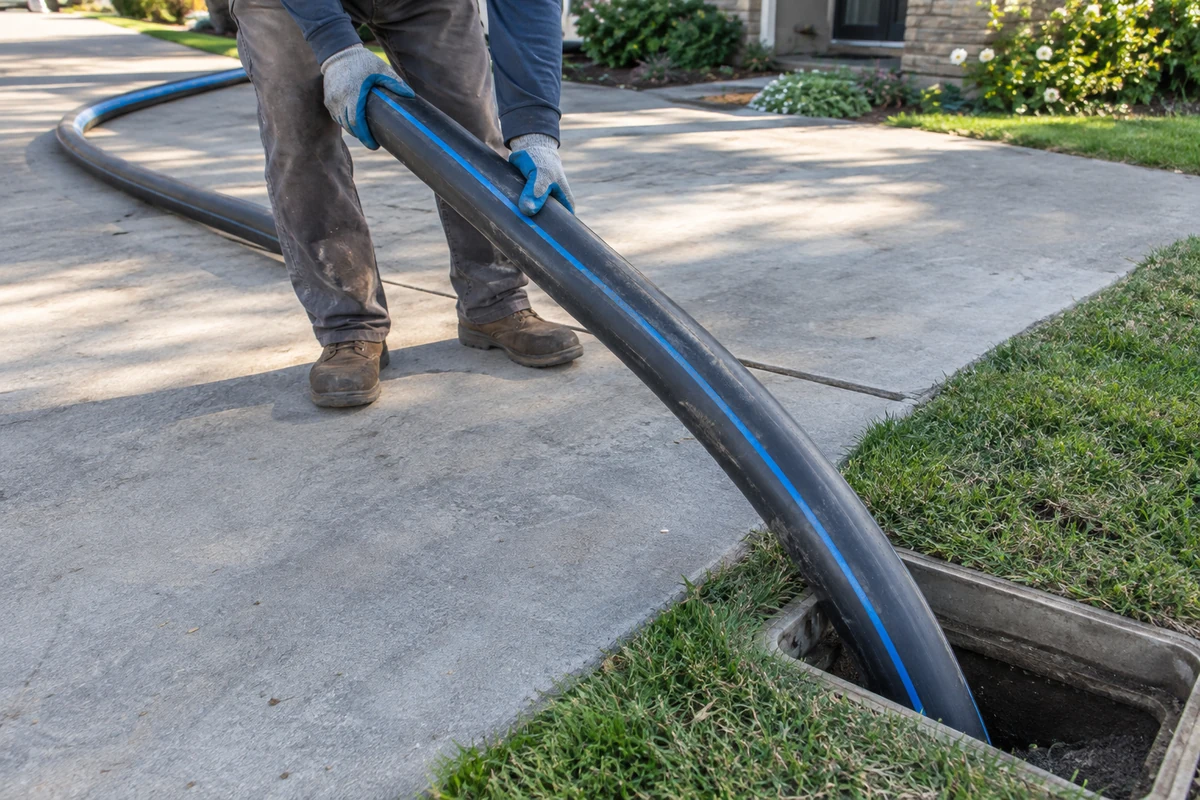
SoCal Rooter specializes in trenchless sewer repair. After reviewing the condition and layout of the existing line, we can discuss whether pipe lining or pipe bursting is appropriate. Access requirements and suitability vary by property; the goal is a lasting repair with less disruption than a full open trench where possible. Trenchless sewer repair is not suitable for every property, so we confirm the condition of the line first. When trenchless sewer repair fits, it can limit digging in yards, driveways and landscaping.
- Repair planning based on camera findings
- Options for homes and commercial properties
- Clear explanation of access and restoration needs
Local service, planned for your property.
SoCal Rooter & HydroJet is based in La Verne and serves nearby communities including San Dimas, Claremont, Pomona, Glendora and Upland. Check the complete service area and contact our team to confirm availability at your address.
When you call, describe the issue, the fixtures affected and any earlier inspection or repair. We review the conditions, explain suitable options and discuss the estimate before work proceeds. Online requests require office confirmation.
WHAT TO EXPECT
6 Trenchless Sewer Repair questions,
answered.
Does trenchless sewer repair mean no digging at all?
Not always. Access openings or localized excavation may be needed. We explain the expected work before proceeding.
How long does a project take?
The length and condition of the line, access, and any required inspections affect timing. Your estimate should include the expected scope and schedule.
What is the difference between pipe lining and pipe bursting?
CIPP lining rehabilitates a suitable existing pipe from the inside. Pipe bursting replaces an existing pipe by breaking it apart as a new pipe is pulled into position. Camera findings, access and site conditions determine which options are practical.
How should I compare trenchless repair with an excavated repair?
Compare how each method addresses the actual pipe problem, as well as its effect on the property. Ask which length of sewer is involved, why lining or bursting is considered suitable, and what an excavated option would require. Surface disruption is only one part of the decision: access, existing connections, pipe condition and restoration also shape the scope. An option that sounds less invasive is not automatically appropriate for every line. Request an explanation of any conditions that could change the recommendation after preparation begins. A useful comparison shows the work included and the questions still needing answers, without relying on a universal savings claim.
What disruption should I plan for during trenchless sewer work?
Ask about the specific access locations and work sequence for your property. Trenchless work may still require equipment space, openings at the ends of a section or localized excavation. Discuss whether vehicles, gates, stored items or landscaping limit access, and identify occupied areas that need to remain reachable. The team should explain any periods when affected plumbing cannot be used and how updates will be communicated. If the property has tenants or multiple households, agree who will coordinate access and notices. Timing depends on the approved scope and conditions; a general description of trenchless repair is not a promise of uninterrupted service.
What details should a trenchless sewer repair proposal make clear?
Look for the proposed method, the portion of pipe covered and the preparation included. Ask how existing connections, access openings and any necessary localized repairs will be handled. The proposal should distinguish sewer work from finish restoration so you know who is responsible for affected surfaces. Discuss applicable inspection requirements, expected stages and how unexpected conditions would be reviewed before additional work proceeds. Ask what completion records are available and which written warranty terms, if any, apply to the proposed work. Keeping these details together makes it easier to compare options and understand what the project is intended to resolve.
YOUR NEXT STEP STARTS HERE.