Sewer Line Repair in La Verne.
Find the cause. Make the right repair.
Start sewer line repair with a clear diagnosis, then compare a localized repair with replacement when the findings call for it.
THE RIGHT APPROACH
Choose sewer line repair from the findings
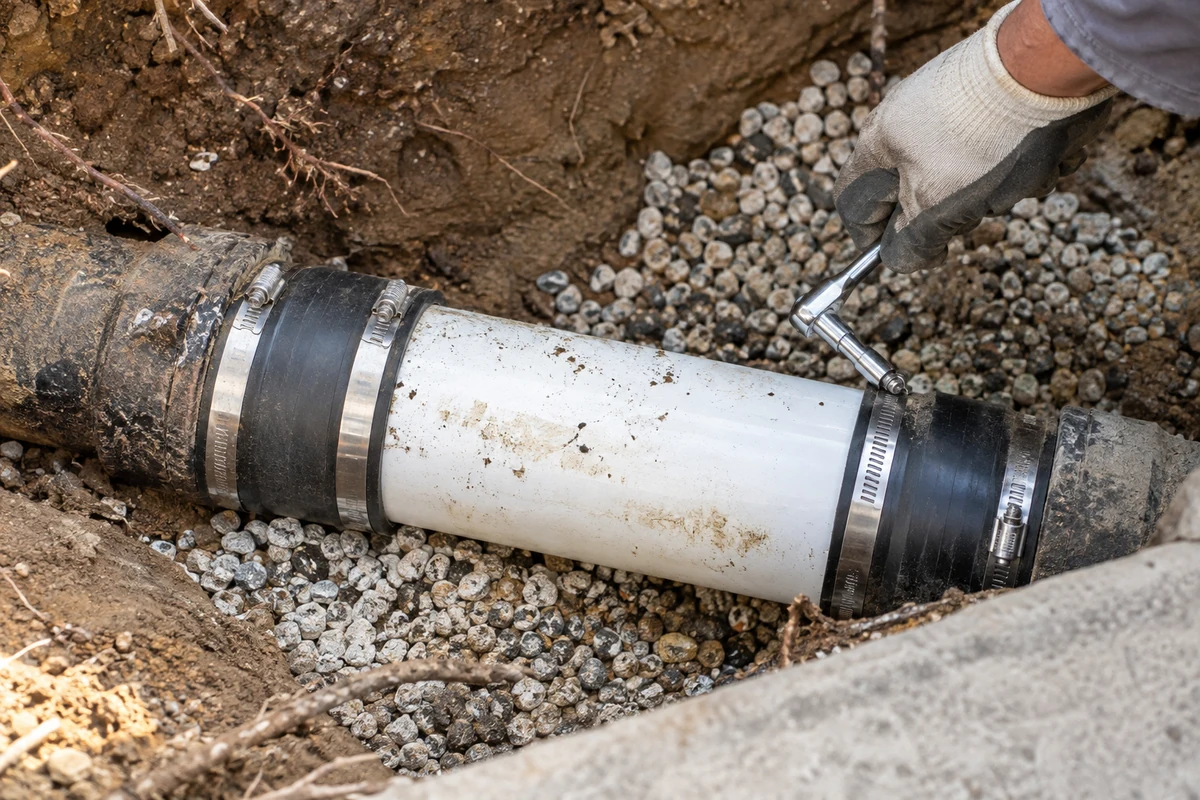
Cracked pipes, root intrusion and damaged connections can contribute to sewer backups, odors and slow drains. SoCal Rooter evaluates the problem and explains repair or replacement options for the affected line, including trenchless methods where appropriate. Sewer line repair can target a single damaged section when the rest of the pipe is sound. If the inspection shows widespread damage, we explain when replacement is better value than sewer line repair.
- Localized sewer line repair
- Replacement planning
- Residential and commercial sewer problems
Local service, planned for your property.
SoCal Rooter & HydroJet is based in La Verne and serves nearby communities including San Dimas, Claremont, Pomona, Glendora and Upland. Check the complete service area and contact our team to confirm availability at your address.
When you call, describe the issue, the fixtures affected and any earlier inspection or repair. We review the conditions, explain suitable options and discuss the estimate before work proceeds. Online requests require office confirmation.
WHAT TO EXPECT
6 Sewer Line Repair questions,
answered.
What are common signs of a sewer problem?
Repeated backups, multiple slow drains and sewer odors are reasons to have the system assessed. These symptoms alone do not identify the cause.
Do you provide an estimate first?
Contact our team to review the problem and arrange an assessment. Scope and pricing depend on the conditions found.
Can one damaged section be repaired without replacing the whole sewer?
A localized repair may be appropriate when the problem is confined to one section and the surrounding pipe remains suitable. An assessment helps compare a targeted repair with lining or replacement of a longer section.
How do you distinguish a sewer defect from a recurring blockage?
Recurring backups are a reason to investigate, but the symptoms alone do not establish which repair is needed. Share the history of cleaning, how long each result lasted and whether several fixtures are affected at the same time. Camera inspection may help show visible buildup, roots or pipe defects, although access and a blocked view can limit the findings. Ask which condition was actually observed and how it explains the symptoms. If the recommendation is a localized repair, request the proposed location and boundaries. If replacement is suggested, ask what makes a smaller repair unsuitable. This keeps the decision tied to evidence rather than treating every repeat clog as the same problem.
What belongs in the scope of a localized sewer line repair?
A useful scope identifies the damaged section, how it will be reached and how the repaired section will connect to the remaining pipe. Ask whether the surrounding line has been assessed and whether unresolved conditions outside the repair could still affect drainage. Discuss excavation, access through finished surfaces and who will restore those surfaces afterward. Clarify applicable inspections and any additional investigation needed before the scope is final. If the work reveals more extensive damage, agree how revised options will be explained before proceeding. Keeping the repair boundaries clear helps you understand what the job addresses and avoids assuming that a localized repair renews the entire sewer system.
How can I prepare the household for sewer repair work?
Ask which fixtures connect to the affected section and whether their use must pause during the repair. Share occupancy needs, tenant contacts and any areas where access must be coordinated. Clear movable items from agreed work areas and identify parking or gate restrictions before the visit. Discuss how the team will communicate schedule changes, especially if access or inspection requirements affect the sequence. Keep earlier inspection reports and repair records available for reference. Before the job closes, ask how the result was checked, what restoration remains and what documentation you should retain. The preparation should match the actual repair plan; a small access repair and a longer excavation can have different effects on the property.
YOUR NEXT STEP STARTS HERE.