Water Heater Repair in La Verne.
Get reliable hot water back.
Water heater repair starts with diagnosis of leaks, missing hot water, unusual noises and component problems.
THE RIGHT APPROACH
Choose water heater repair from the findings
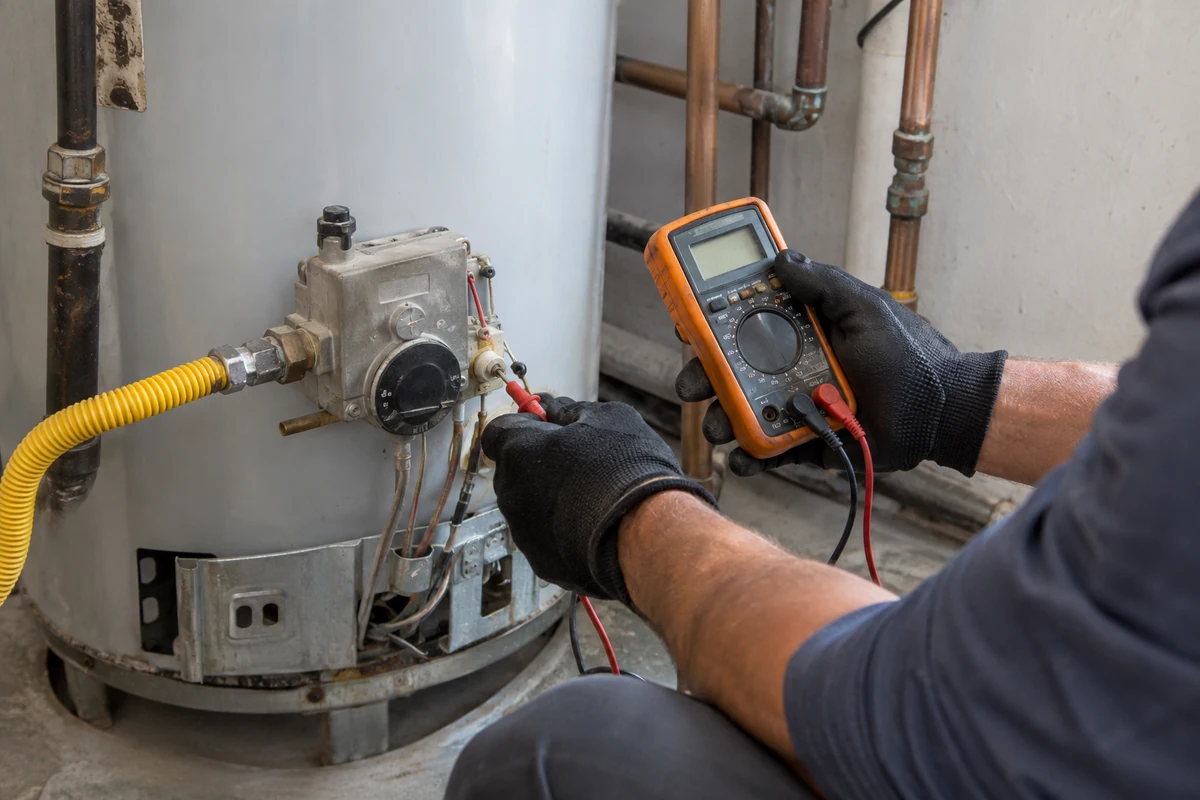
SoCal Rooter assesses tank and tankless systems for water heater repair, explains the findings and recommends repair or replacement based on the equipment's condition. The age and condition of the equipment, the failed component and the scope of the problem help determine the next step.
- No hot water or inconsistent temperatures
- Leaks and unusual equipment noises
- Tank and tankless troubleshooting
Local service, planned for your property.
SoCal Rooter & HydroJet is based in La Verne and serves nearby communities including San Dimas, Claremont, Pomona, Glendora and Upland. Check the complete service area and contact our team to confirm availability at your address.
When you call, describe the issue, the fixtures affected and any earlier inspection or repair. We review the conditions, explain suitable options and discuss the estimate before work proceeds. Online requests require office confirmation.
WHAT TO EXPECT
6 Water Heater Repair questions,
answered.
Should I repair or replace my water heater?
That depends on its condition, the issue found and the repair scope. Our team can compare the available options after assessing the equipment.
Do you work on tank and tankless water heaters?
SoCal Rooter assesses problems with both tank and tankless water heaters. Share the type, make and model if known, along with the symptoms or any displayed error code.
What information helps with a water heater repair assessment?
Tell us whether there is no hot water or inconsistent temperature, whether the problem affects one fixture or the whole home, and when it started. Mention visible leaks, unusual noises and previous repairs without opening or adjusting the equipment.
Does inconsistent hot water always mean the water heater has failed?
No. Tell the team whether the temperature problem occurs at one fixture or throughout the home, and whether it changes when other fixtures are running. Also describe whether the water begins hot and then cools, never gets hot, or varies unpredictably. These details help guide the assessment without establishing a diagnosis on their own. Share the heater type and any displayed error message, along with recent plumbing work or repairs. A problem isolated to one fixture may require a different investigation from a whole-home loss of hot water. The recommendation should follow the findings rather than assume replacement from a symptom alone.
How should I compare water heater repair with replacement?
Ask what has failed, what the proposed repair addresses and whether other known conditions remain. Compare that scope with a replacement proposal that identifies the new equipment and any supporting installation work. Equipment condition, previous repairs, available parts and household hot-water needs all belong in the discussion. If a repair restores one component, clarify whether it resolves the complaint you reported or whether more investigation is needed. Request an explanation of any uncertainty before authorizing work. A decision based only on equipment age or a general lifespan claim can miss the actual condition of the heater and the practical options for the property.
What records help with a water heater repair or warranty inquiry?
Gather the make, model and serial number if they can be read without opening or moving equipment. Purchase or installation records, earlier repair invoices and any existing warranty paperwork can also help. Describe the problem in your own words and note when it began, rather than relying only on an error-code interpretation found online. If a warranty may apply, ask who needs to confirm coverage and what documentation is required; coverage cannot be assumed from the brand or age alone. Keep the eventual repair findings and parts information with those records so a later technician can understand what was assessed and changed.
Plan the details before work begins
Open the topics that apply to your property. These planning notes help you discuss the work, compare the scope and prepare for the next step.
Describe the water heater repair concern precisely
Start with the experience that prompted the request. No hot water throughout the home, a change at one shower and moisture beside the equipment are different observations. Say which concern is current and which details are background. A water heater repair assessment should begin with that distinction rather than a suspected component selected from an internet search or a broad statement that everything has stopped working.
Record when the issue began and whether it is constant or intermittent. If the timing is approximate, say so. Note whether a normal household activity was underway when you noticed it, but do not deliberately recreate an uncomfortable or unsafe condition. The technician can use an honest description of ordinary use without the homeowner repeatedly operating equipment to make a symptom happen on demand.
Identify affected fixtures by room name and keep normal observations separate from areas nobody checked. Saying the kitchen appeared normal during the same morning is more precise than saying the rest of the home is fine. These details can help frame water heater repair questions, while the assessment determines how the pattern relates to the equipment rather than assuming a local or whole-home cause in advance.
If another occupant noticed the issue, preserve their account with the relevant location and timing. The person scheduling may not have experienced it personally. Share those notes with whoever will meet the technician, so the visit does not begin with an altered secondhand description. A short factual timeline is more useful than a confident diagnosis that becomes more definite each time it is repeated.
Gather equipment history without disturbing the system
Use documents already available, such as an installation invoice or earlier service record. Provide the model and serial information only when safely accessible. Do not open covers, move the unit or reach into equipment to complete a request. A water heater repair conversation can begin with the address and current symptoms even when a detail must be confirmed later by the technician.
Keep equipment age labeled according to its source. A documented installation date differs from a previous owner's estimate or the date you moved into the property. The history can inform the discussion, but it should not replace an explanation of the present condition. If the information is uncertain, leaving it uncertain is better than turning a rough recollection into a fact that influences the recommendation.
Separate earlier recommendations from completed work. An invoice for diagnosis does not necessarily show that every task discussed was performed. Keep the actual findings and scope available for the next assessment. Water heater repair records are most useful when they identify what was examined, what changed and what remained open instead of summarizing every appointment as the heater being fixed.
Mention recent plumbing changes without assuming they caused the current complaint. A fixture replacement or renovation may be relevant context, but the sequence alone does not establish responsibility. If water is near electrical equipment or a gas leak is suspected, keep clear and seek appropriate urgent assistance. Gathering documents should never delay a suitable response to a dangerous condition or require entering the affected area.
Connect water heater repair to the findings
Ask the technician to explain the condition observed and how the proposed task addresses it. A useful explanation distinguishes a confirmed finding from a possibility that needs more assessment. The household should understand the purpose of water heater repair without needing to interpret internal components independently. If uncertainty remains, record it rather than treating the existence of a quote as proof that every diagnostic question is settled.
When several concerns are identified, ask which one relates to the symptom you reported and which is a separate recommendation. Keep those purposes visible in the scope. This helps avoid a list of tasks being treated as though they all resolve the same issue. It also lets you understand whether a limited repair is intended to address the original complaint or only one part of a broader assessment.
If the symptom is absent during the visit, ask what could be evaluated and what remains unresolved. An intermittent concern may not occur on demand. A defined follow-up question is more useful than assuming nothing is wrong or selecting a part to replace without an explained basis. Keep the observed conditions of the visit with your earlier notes so a future assessment can compare them accurately.
Ask what information an additional step is expected to provide before approving it. The answer should connect the next action to a practical decision, such as clarifying a cause or defining a repair scope. Water heater repair can involve assessment before the final task is known, but the stages should remain understandable rather than becoming an open-ended sequence with no stated purpose.
Compare repair and replacement as different scopes
A repair proposal and a replacement proposal may address different outcomes. Ask what each is intended to accomplish and what remains outside it. Do not compare totals without identifying equipment or parts, supporting work, access, removal and completion checks. A narrower repair may be appropriate for an assessed condition, while a replacement recommendation should explain its basis rather than rely only on a general age rule.
Keep household priorities in the conversation. A confirmed change in occupancy or planned renovation may be relevant, but speculative ideas should be labeled as such. Water heater repair should not be expected to deliver an unrelated capacity upgrade unless that is actually part of the proposal. Equally, new equipment should not be assumed to resolve every fixture-specific concern without assessment of the original symptom.
Ask for written warranty information applicable to the actual work or equipment. Identify who provides it and which documents should be kept. A product's general marketing statement is not necessarily the coverage for a particular repair or installation. If a warranty inquiry is relevant, the issuer should confirm the terms rather than the household inferring coverage from brand, age or an earlier invoice alone.
Our repair-versus-replacement guide offers a way to organize these questions. Keep the options tied to the same findings and household assumptions when possible. A water heater repair comparison becomes clearer when each provider explains their own scope and exclusions, rather than the homeowner filling gaps with details borrowed from a different proposal.
Clarify approvals and the work area
Identify who can provide entry, who can explain the symptom and who can approve a revised scope. These may be different people at a rental or managed property. Make the arrangement clear before the appointment. Water heater repair should not depend on the technician guessing whether an occupant who opens the door is also authorized to decide about additional work after a new finding is explained.
Describe locked rooms, stairs, stored items and ordinary access restrictions. Ask which belongings should be cleared and leave technical preparation to the appropriate professional. Do not disconnect equipment or operate unfamiliar controls to help the visit move faster. If a heavy or connected item blocks access, tell the office rather than attempting an unsafe move simply to make the equipment area appear ready.
If additional work is proposed, ask what prompted the change, what task is included and how it affects the agreed plan. Keep a scheduling update separate from approval for a new scope. An available decision contact supports communication, but it is not blanket authorization. Retain the explanation with the original proposal so the completed project can be understood later by someone who was not present.
Ask which services or areas will be unavailable during the water heater repair visit and who confirms normal use can resume. Communicate the confirmed information to occupants without converting an estimated arrival window into a finish-time promise. If another contractor or delivery uses the same route, mention it early so the work is planned around the actual property conditions rather than an assumed empty space.
Prepare a focused appointment request
A practical message includes the service address, main symptom, affected fixtures, approximate start date and accessible equipment information. Add relevant prior work and the access contact. Keep the present concern easy to find instead of beginning with every past plumbing event. The office can request additional information as needed; you do not need to name a failed component to begin a useful discussion.
Safe photographs can identify the equipment location or a visible condition, but pair them with a short explanation. An image does not establish an internal fault or reproduce an intermittent temperature complaint. Label the location and date when known. Preparing for water heater repair should make existing information usable without requiring closer contact with a hazard or an attempt to reveal concealed parts of the equipment.
Update the office if the condition or access arrangement changes before the visit. An earlier request may no longer describe the current situation. Keep the appointment confirmation separate from the time originally requested, and share the current details with the person on site. Online inquiries need office confirmation, so an entered time should not be treated as a guaranteed arrival before the team accepts the request.
For a La Verne-area property, SoCal Rooter can discuss water heater repair using the information you already have and the findings of an appropriate assessment. Mention whether the concern involves tank or tankless equipment if known. Our service request guide provides additional examples of clear descriptions without requiring the homeowner to diagnose or adjust the system first.
Keep the water heater repair outcome clear
At handover, ask what was completed and whether any recommendation remains open. Keep the equipment identity and actual task with the invoice. A statement that the heater was serviced may be too broad for a later technician to interpret. The record should distinguish the original complaint, the finding and the work performed rather than imply every component was inspected or every suggested task was completed.
Retain applicable instructions and share relevant information with occupants who were absent. Wait for the responsible contractor's confirmation that normal use can resume instead of judging completion from packed tools or a tidy work area. If another visit is needed, identify its purpose and who will arrange it. An open follow-up should remain visible until its status is established rather than disappearing once the main invoice is filed.
Observe the result through ordinary use. If a concern returns, describe its fixture, timing and whether it resembles the original pattern. Do not immediately assume that the same part has failed or that a different symptom proves the earlier work had no effect. Water heater repair history supports the next assessment when professional findings and homeowner observations remain separate and accurately dated.
Store the completed scope with earlier equipment records and any open questions. Our maintenance records guide explains a simple filing approach. A useful history helps future service begin with what is known while leaving current conditions to be assessed. It is a record of actual work, not a promise that the equipment will never need another evaluation.
YOUR NEXT STEP STARTS HERE.