
64 COMMUNITIES / SOUTHERN CALIFORNIA
Plumbing service areas.
La Verne & beyond.
Serving the communities below with plumbing, sewer and hydro jetting services. Search your city, then request a visit. Our office confirms availability for your address and project.
64 communities served
No matching community. Call our team to discuss your location and project.
Don’t see your area?
Call to discuss your property and current availability. Service depends on the location, project scope and schedule.
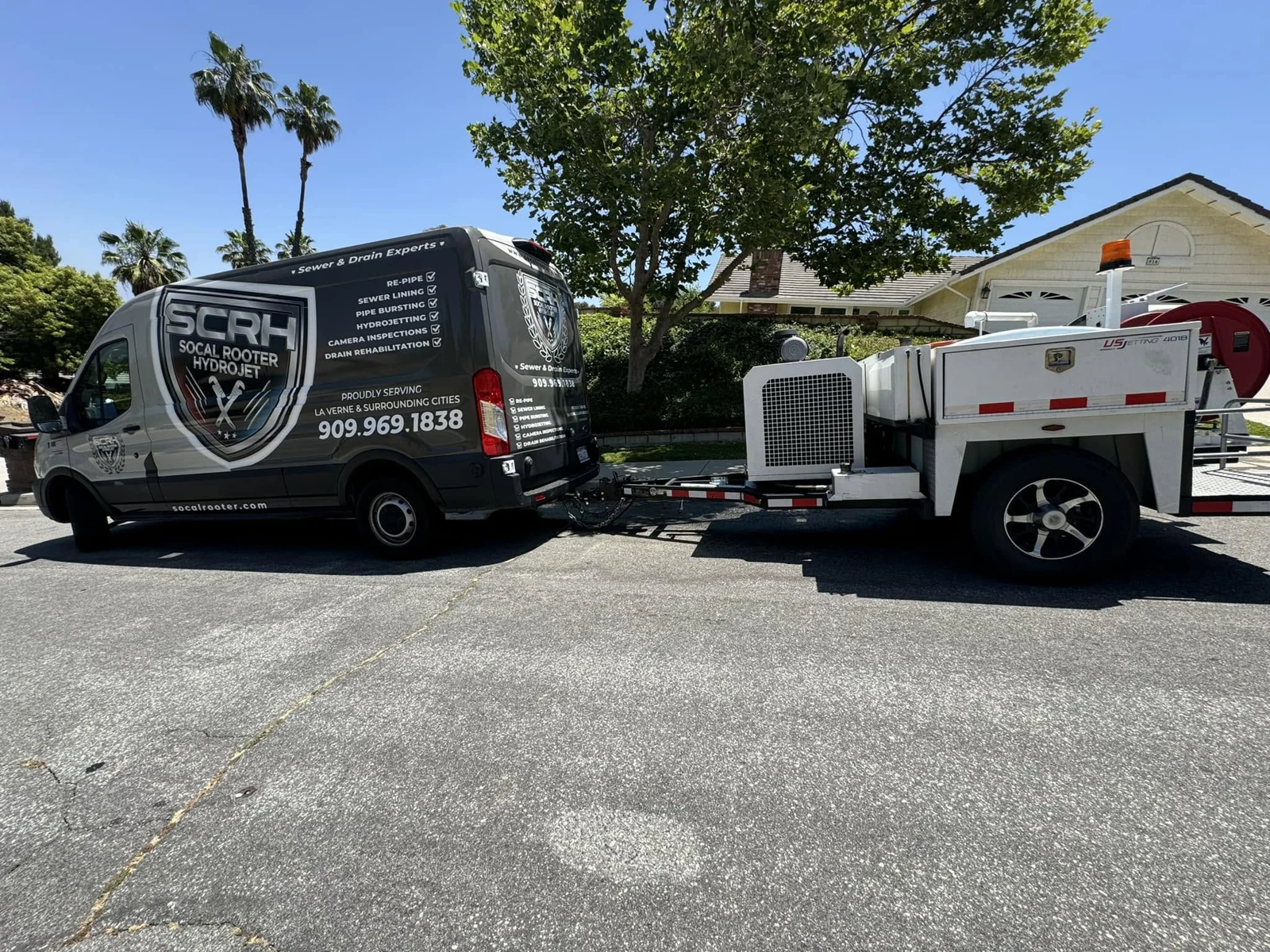
See our equipment and work in context on the official SoCal Rooter Facebook page. To discuss your own property, share your address and the work you need with our office.
Planning a visit in our service areas
The directory above lists the communities served by SoCal Rooter from our La Verne base. It includes nearby locations such as San Dimas, Claremont, Pomona, Glendora and Upland, together with other named Southern California communities. Use the directory to find your city, then share the property address and the work you need so the office can review availability for the request.
Confirm your address within the service area
A city listing provides a starting point for a service inquiry. The office still needs the complete address, the type of work and a way to contact you before confirming a visit. Mention access restrictions, a unit or suite designation and whether another person will arrange entry. If the property is managed on behalf of an owner or tenant, identify the appropriate contact. These details help distinguish the service location from a billing address or another property you manage.
Match your service area request to the property
Tell us whether you need help with a drain, sewer line, water heater or planned plumbing project. For recurring backups, describe the fixtures affected and any earlier inspection or cleaning. For a remodel, describe the rooms involved and the stage of the renovation. A city name alone cannot establish the assessment or equipment a job may need. The service guides can help you explain the issue, but you do not have to diagnose the cause before reaching out.
Request a time and wait for office confirmation
Selecting a community in the directory takes you to the booking page with that location included in the request description. Enter the full service address and review the details before submitting. Available online windows are requests, and the office confirms the appointment after reviewing the schedule. The location, scope and current availability affect the visit. If timing is important or the problem is urgent, call to discuss those needs rather than treating an online selection as a confirmed arrival.
Questions about service area availability
If your city does not appear in the directory, contact the team with the address and project details. The office can discuss whether service is available for that request. Do the same when you are coordinating work at more than one property, since each address and scope may need separate review. Project photos from another community can show examples of our work, but they do not establish current scheduling or availability at your address.
FROM OUR CREW
See the work behind our services.
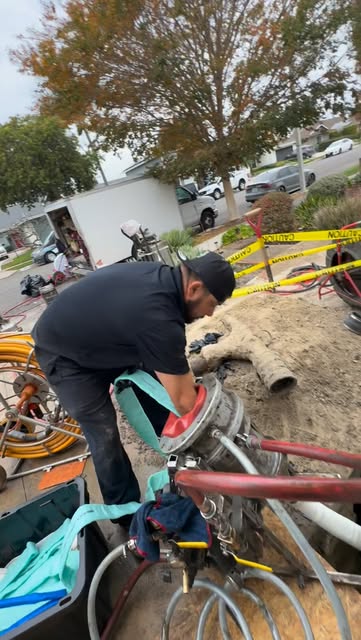
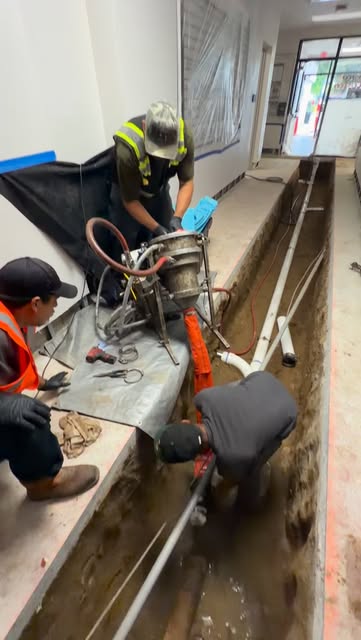
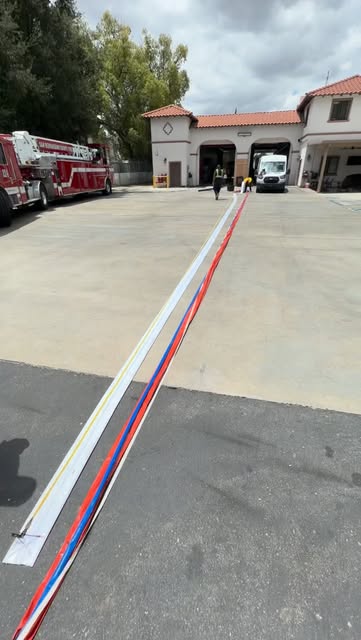
Explore three original project videos, then visit Our Work for the project details and field photographs. Each example reflects its own site conditions and scope.
Plan the details before work begins
Open the topics that apply to your property. These planning notes help you discuss the work, compare the scope and prepare for the next step.
Use the service area directory as a starting point
The directory helps you find a named community and begin a request for the property you want assessed. A listing does not select the service, establish the equipment needed or confirm a time. Share the complete address and current concern with the office so the next conversation concerns your actual location rather than only a city name or an example project from somewhere nearby.
SoCal Rooter is based in La Verne, and the listed communities include San Dimas, Claremont, Pomona, Glendora and Upland. The service area directory also names other Southern California locations. Use the published list to organize your inquiry, then ask the office to review the address and project. Do not infer current availability from a location appearing in a photograph, social post or older service record.
If your community does not appear in a search result, provide the address and work description to the team instead of assuming an outcome. A missing result may require a direct discussion, and the office should confirm whether it can accommodate the request. Avoid selecting a different city just to complete the form, because inaccurate location information can make the scheduling conversation less useful.
For a property near a community boundary, use its actual service address and any helpful unit or building designation. Do not substitute the name of a nearby landmark for the address. A service area inquiry should give the office a clear location to review, while any practical directions can be supplied as additional context rather than replacing the information needed to identify the property.
Keep service area address details clear
Identify the location where the work is needed, especially when you are contacting the office for a tenant, family member or managed property. A billing address or the caller's home may be different. Make that distinction explicit before discussing access or appointment preferences. The team should not have to infer which address belongs to the affected plumbing from several locations mentioned in the same message.
Include a unit, suite or building designation when relevant to the service area request. If several entrances exist, explain the ordinary meeting arrangement through the agreed channel. A street address can identify the property while still leaving uncertainty about the affected space. Clear details help the office connect the symptom, contact and access plan to the correct unit without assuming permission to enter unrelated areas.
Tell the team who is currently at the property and who can describe the concern directly. If you are coordinating remotely, preserve the occupant's observations rather than making them more definite as you summarize them. A short account of the affected fixture, timing and current condition is useful even when the person arranging the appointment has not personally experienced the issue.
Update the office if the location details change or an earlier message contained an error. Keep the request reference available when one exists. A service area conversation should use the current address and contact rather than rely on information copied from another property or a previous appointment. This is particularly important when the same owner or manager coordinates several unrelated plumbing projects.
Explain the work behind the service area request
State whether the request concerns drainage, a sewer assessment, water heating, leak detection or planned plumbing work. You do not need to diagnose the cause or select a repair method first. The office needs the observed concern and project context to discuss an appropriate next step. A location alone cannot establish whether the visit involves a single fixture, a defined pipe section or a broader renovation scope.
For recurring drain or sewer symptoms, identify the affected fixtures and whether they occur together. Mention earlier cleaning, inspection or repair with its available date and scope. This makes the service area inquiry more useful than a general claim that the whole sewer is broken. The assessment should determine the condition, while your report supplies an accurate account of what occupants have actually observed.
For a water-heater concern, describe whether one fixture or several are affected and what has changed. Provide accessible equipment information if known without opening or adjusting the unit. For visible moisture, describe its location and timing without assuming the hidden source. These details help frame the request while leaving technical evaluation to the appropriate assessment of the property.
For a remodel or whole-house project, identify the rooms and systems involved and the stage of planning. Distinguish approved work from ideas still under consideration. A service area request for a future renovation has different scheduling and scope questions from an active drainage concern. The service overview can help organize the discussion without requiring you to choose equipment or design the work in advance.
Coordinate service area access
Mention gates, locked rooms, shared areas and ordinary restrictions on reaching the affected location. A property may be inside a listed community while still needing a specific entry arrangement. Identify who controls each relevant area and who will meet the technician. Do not assume the crew can obtain access from whoever happens to be present or that public entry reaches the space needed for the assessment.
Separate entry responsibility from authority to approve work. A tenant or employee may be able to provide access without deciding about a revised scope. Include an appropriate decision contact in the service area request and explain how that person can be reached. Clear roles help the visit proceed without treating ordinary assistance at the door as permission for unspecified additional work.
Ask which ordinary belongings should be moved and describe anything that cannot safely be cleared. Do not remove covers, expose pipes or disconnect equipment to prepare for the appointment. The contractor should identify the access needed for the actual scope. Practical information about a narrow route or stored item is useful without the homeowner attempting technical preparation before the property has been assessed.
Tell the office about occupancy needs or another project using the same area. A delivery, separate contractor or shared corridor may affect the appointment even when the address is straightforward. A useful service area discussion includes these real constraints rather than assuming every property is empty and fully accessible. Wait for the relevant arrangements to be confirmed before relying on a preferred schedule.
Distinguish a requested time from a confirmed visit
An online service area selection expresses the appointment you are requesting. The office still reviews the location, scope and current schedule before confirming the arrangement. Keep that confirmation separate from the time originally entered. If another person will be present, share the current accepted details rather than an earlier preference that may not match the appointment the team can offer.
If timing is important, explain why when discussing the service area request. Identify a firm access restriction separately from a preferred window. The office can then discuss the practical next step without assuming that every requested time is equally flexible. A clear scheduling conversation should not convert an arrival estimate into a guaranteed completion time for work whose conditions or full scope are not yet known.
For an urgent drain or sewer concern, contact the team to discuss current availability rather than treating a directory selection as emergency dispatch. Describe whether the issue is ongoing and what has changed. Online requests and chat require confirmation. The urgent-help information explains how to organize that conversation while keeping the present situation distinct from a planned future project.
If the condition or access arrangement changes after the inquiry, update the office using the relevant request details. A service area appointment should be based on the current property situation. An earlier message may no longer accurately describe who can provide entry, which fixture is affected or whether the concern is still active, so those changes should not be left for the crew to discover on arrival.
Coordinate more than one property clearly
Create a separate description for each address when arranging work across several properties. Identify the current concern, contact and access arrangement for each one. Do not assume that confirmation for one site also confirms another, even when both are in the directory. The office needs to review the actual locations and scopes rather than infer a multi-property schedule from a single approved appointment.
Keep service area information tied to the correct record. A sewer video from one property or a heater invoice from another can become confusing when files are forwarded together without labels. Include the address and date with relevant documents. This helps the technician understand the history associated with the current request instead of applying findings or equipment details from a different site by mistake.
Identify whether different people control entry or approval at each property. An owner may coordinate all requests while separate occupants provide access. Share the agreed responsibilities before relying on a schedule. The person on site should know which concern is being assessed and whom to contact about a change, rather than being expected to interpret a project they have not been told about.
If the priority between properties changes, discuss it with the office rather than switching addresses within an existing request without explanation. Each service area arrangement may involve different access, scope and availability. A clear revision preserves the relationship between the approved visit and the work expected, preventing one property's confirmation from being mistaken for a promise about another location.
Use service area project examples in context
Company photographs and videos can show the types of work performed and help you form useful questions. They do not establish the condition, access or repair method appropriate at your address. A project in another community may have a different scope even when its symptom sounds similar. Keep the example as context while allowing an assessment to determine what the current property requires.
A location shown on the project page is not a current appointment commitment. Use the service area directory and contact the office with your own details. The important questions are whether the request can be accommodated, what assessment is appropriate and which practical arrangements are needed, rather than whether another photograph happens to show a nearby street or familiar community name.
After a confirmed visit, retain the completed scope and relevant findings with that property's records. If further work is recommended, identify its purpose and who will arrange it. A later inquiry should distinguish an open recommendation from a task already completed. This keeps the history useful when a different occupant, manager or family member handles the next appointment and needs to understand what happened before.
To begin a service area inquiry with SoCal Rooter, provide the complete address, current concern and an appropriate contact. Include known access constraints and any relevant earlier work. The office can review availability for the actual request. Clear information supports a practical next step without asking you to diagnose concealed piping or assume that every listed community and project can be scheduled in exactly the same way.
YOUR NEXT STEP STARTS HERE.