Drain Cleaning in La Verne: Common Causes of Clogs and When to Call a Plumber
Understand recurring clogs, what to tell your plumber and the difference between cleaning and repair.
Read the drain-cleaning guide ↗THE CLEAR ANSWER
Local plumbing guides and clear answers to common sewer questions, helping you plan your next step.
LOCAL HOMEOWNER GUIDES
Understand recurring clogs, what to tell your plumber and the difference between cleaning and repair.
Read the drain-cleaning guide ↗Learn how pipe condition and access guide the recommendation, and what to ask before work begins.
Read the hydro-jetting guide ↗EXPLORE THE LIBRARY
Start with the two guides above, or browse 80 more answers by topic. Local articles cover La Verne and nearby communities including San Dimas, Claremont, Pomona, Glendora, Covina, Montclair, Upland and Ontario.
Recurring blockages can come from buildup, roots or a damaged line. Repeatedly clearing a blockage may not resolve its cause. A camera inspection can help inform the next step.
A drain snake can break through a blockage. Hydro jetting uses pressurized water to clean buildup from the pipe interior. The right approach depends on pipe condition and the problem.
CIPP means cured-in-place pipe. A liner is installed inside a suitable existing pipe and cured to form a new interior pipe surface.
Your service address, the fixtures affected, when the issue started, and any recent inspections or repairs help the team understand your request.
For background on sewer questions about inspections and cleaning, explore NASSCO's overview of sewer assessment and pipe cleaning and maintenance. These resources explain the methods; a property assessment is still needed to choose a service.
Sewer questions often begin with a symptom: a drain that slows down again, several fixtures backing up or a recommendation for underground work. The answers on this page explain the differences between services so you can have a more useful conversation about your property. General information can help you prepare, while an assessment is needed to establish the condition and appropriate scope for a particular line.
A slow drain describes what you observe; it does not establish whether the cause is removable buildup, a localized blockage or pipe damage. Note the affected fixtures, when the issue occurs and whether it returns after cleaning. These details can help determine what to investigate. A sewer camera may show visible conditions in the accessible portion of the line, but a blocked view or limited access can leave questions unanswered. Ask which findings were observed and which remain uncertain.
Cleaning removes a blockage or buildup. Hydro jetting is a cleaning method that uses pressurized water in a suitable line. Repair addresses damage, and replacement installs a new pipe in the defined section. CIPP lining and pipe bursting are different trenchless approaches with different suitability requirements. When a proposal uses one of these terms, ask how it relates to the actual findings and which part of the system is included. The name of the method alone does not describe a complete project.
Two proposals may use the same service name while covering different lengths of pipe, access work or restoration. Ask about preparation, connections, areas outside the repair and any further investigation needed. If one recommendation is cleaning and another is replacement, ask what evidence leads to each conclusion. Keep available footage, photos and written findings together so future conversations start with the same information. Another homeowner story or a short project video may raise useful questions without determining the right answer for your property.
Share the service address, the problem history and what you want to understand: the likely next assessment, the difference between methods or the work included in an estimate. Mention any previous repairs and how long earlier cleaning helped. If your question concerns an active or worsening backup, call to explain the current situation and check availability. For a planned assessment, you can request an appointment online and wait for office confirmation.
FROM OUR CREW
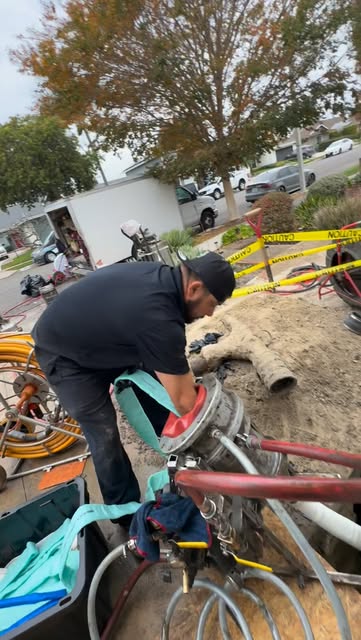
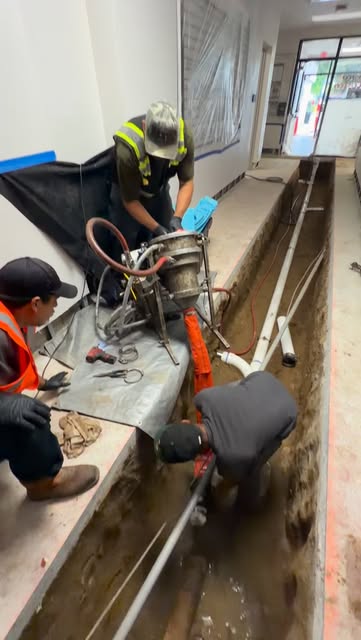
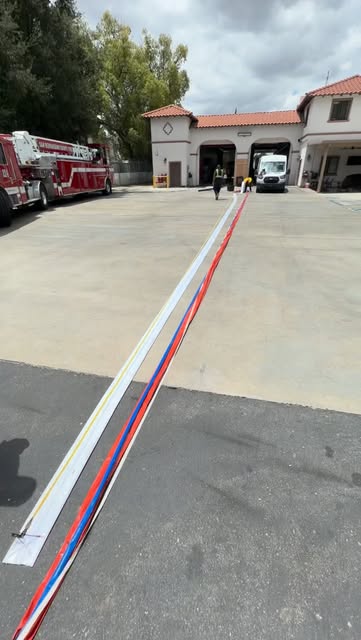
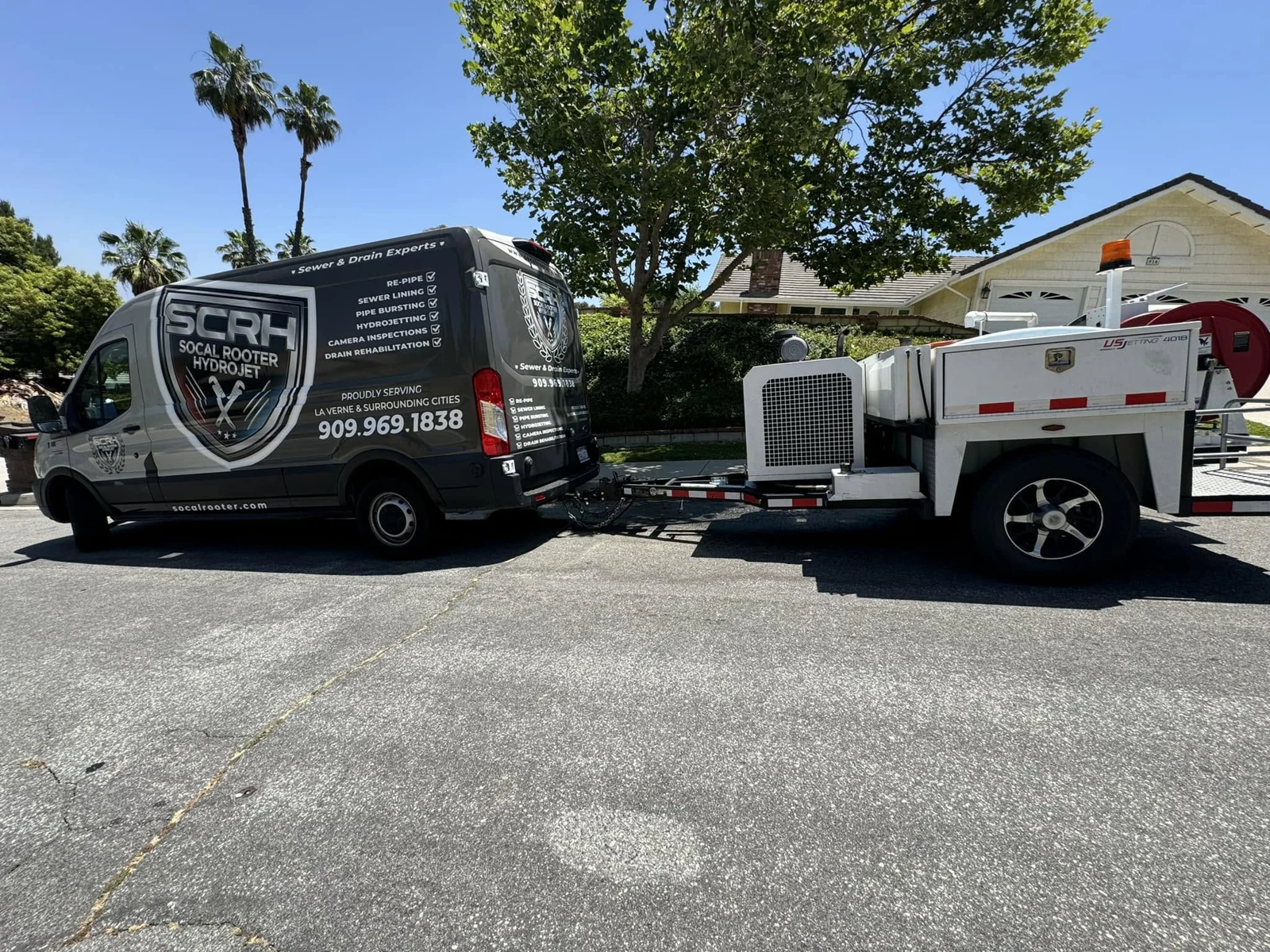
Explore three original project videos, then visit Our Work for the project details and field photographs. Each example reflects its own site conditions and scope.
Open the topics that apply to your property. These planning notes help you discuss the work, compare the scope and prepare for the next step.
Start with the question you need answered today rather than reading every guide in order. If you are describing a symptom, use the drain or leak topics. If you are reviewing a proposal, use the inspection, repair or scope-planning topics. The library is organized around different decisions, so the most useful starting point depends on your situation.
The two introductory guides provide a broad starting point for drain cleaning and hydro jetting. The grouped links below them address narrower sewer questions, including recurring symptoms, access, inspection records and repair boundaries. Open the broad guide when you need orientation; choose a focused title when you already know which part of the conversation is unclear.
A title that mentions a nearby city can help you find local planning context, but the actual property still needs its own assessment. Do not assume a guide's example describes your pipe route or condition. Use the article to prepare the relevant question, then explain your address, observations and available records when requesting service.
You do not need to identify the cause before using the library. A clear description such as one fixture slowing again or uncertainty about an estimate is enough to choose a topic. The purpose is to make your sewer questions more specific without turning a general article into a diagnosis of concealed plumbing.
For a recurring drain concern, begin with the symptom-focused guide that best matches what you observe. Then use a recordkeeping or inspection article if you need help understanding the next discussion. This sequence keeps reading connected to a practical decision rather than treating every possible repair topic as equally relevant before the condition is assessed.
For sewer questions about a proposed repair, start with the method comparison or project-stage guide. Follow with access, restoration or completion-record guidance if those details are unclear in the proposal. Each article has a narrower purpose, allowing you to separate the repair objective from the surrounding tasks instead of collecting terminology without a clear question.
If your concern is a water heater, remodel or visible moisture issue, use those topic groups directly. The library covers more than sewer work. Choosing the matching group helps avoid applying a sewer-cleaning explanation to a different system simply because both involve plumbing or share a symptom such as water appearing where it should not.
The drains and hydro jetting group is useful when you need to describe the affected fixture, recurrence or cleaning recommendation. The inspection and repair group helps organize sewer questions about findings, proposed sections and project stages. The distinction is a navigation aid: one group may help describe the concern while another helps review the recommended next step.
The property-planning group addresses the surrounding decisions that can remain unclear after a method is discussed. Look there for access contacts, estimate comparisons, finish responsibilities and records. These topics help you identify what is missing from a project conversation without assuming the answer or interpreting a general service label as a complete scope.
Local guides can provide another route into the same planning issue. Choose by the actual question as well as the city in the title. For example, access or documentation may be the useful subject even when a different nearby community appears in the heading. Availability should still be confirmed for the exact service address.
An article can explain which questions to ask, but it cannot show the concealed condition at your property. Keep observations, professional findings and possible explanations separate in your notes. This makes sewer questions easier to discuss because the provider can see what is known and what still needs assessment rather than untangle an assumed diagnosis.
If a guide raises a possibility, write it as a question rather than add it to your property history as a fact. The useful next conversation connects that possibility to the actual evidence. A reading path should improve preparation without creating certainty about a hidden section that has not been examined or a repair that has not been proposed.
Project photos and videos provide another kind of background. They document the examples described in their captions and case studies. Use them to understand the work visually, while keeping your sewer questions tied to your own records. A project elsewhere does not determine the price, schedule, access arrangement or appropriate method for your address.
After reading, keep a short list of the questions that remain relevant. You might need clarification of the next assessment, the included section or the restoration handoff. Put the current observation beside each question. This turns general reading into a practical conversation rather than a long list of unrelated methods you feel required to request.
Bring relevant completed-work records and label estimates that were never performed. A previous proposal should not be mistaken for an installed repair. The library's recordkeeping guides can help organize that distinction, while your appointment summary stays focused on the present concern and the information needed to discuss it accurately.
For shared or managed properties, identify who observed the symptom, who provides access and who approves additional work. These may be different contacts. Good sewer questions should reach the appropriate person, and the provider should not have to rely on an occupant to make a decision outside the arrangement established for the visit.
When requesting service, lead with the exact address, affected fixtures and current condition. Mention the relevant history and access constraints, then share the focused questions prepared from the guides. A concise summary gives the office a useful starting point without requiring a homeowner to select a technical method before an assessment has been discussed.
If an active condition is worsening, explain that directly rather than waiting to finish a reading list. These guides support preparation; they are not a reason to postpone communicating a meaningful change. The current situation should be clear, with supporting records and general sewer questions available behind the immediate service description.
Online requests require office confirmation. Ask about availability for the actual address and identify the person who can coordinate entry. Local article titles help organize information, but they do not confirm a booked appointment or establish the same access and scope for every property in a nearby community.
Return to the library when the next decision changes. After an assessment, a completion-record or scope-comparison guide may become more useful than the introductory symptom article. This keeps your sewer questions aligned with the stage you are actually in, while the provider's findings remain the basis for selecting work at the property.
YOUR NEXT STEP STARTS HERE.
Ask us about service or scheduling. For urgent issues, call 909-969-1838.