
BOOK ONLINE / SOCAL ROOTER
Request a plumbing appointment.
Request your plumbing appointment in three steps: choose a service, find a time and share the property details.
REQUEST NOW · CONFIRMED BY OUR TEAM- 01 Service
- 02 Time
- 03 Details
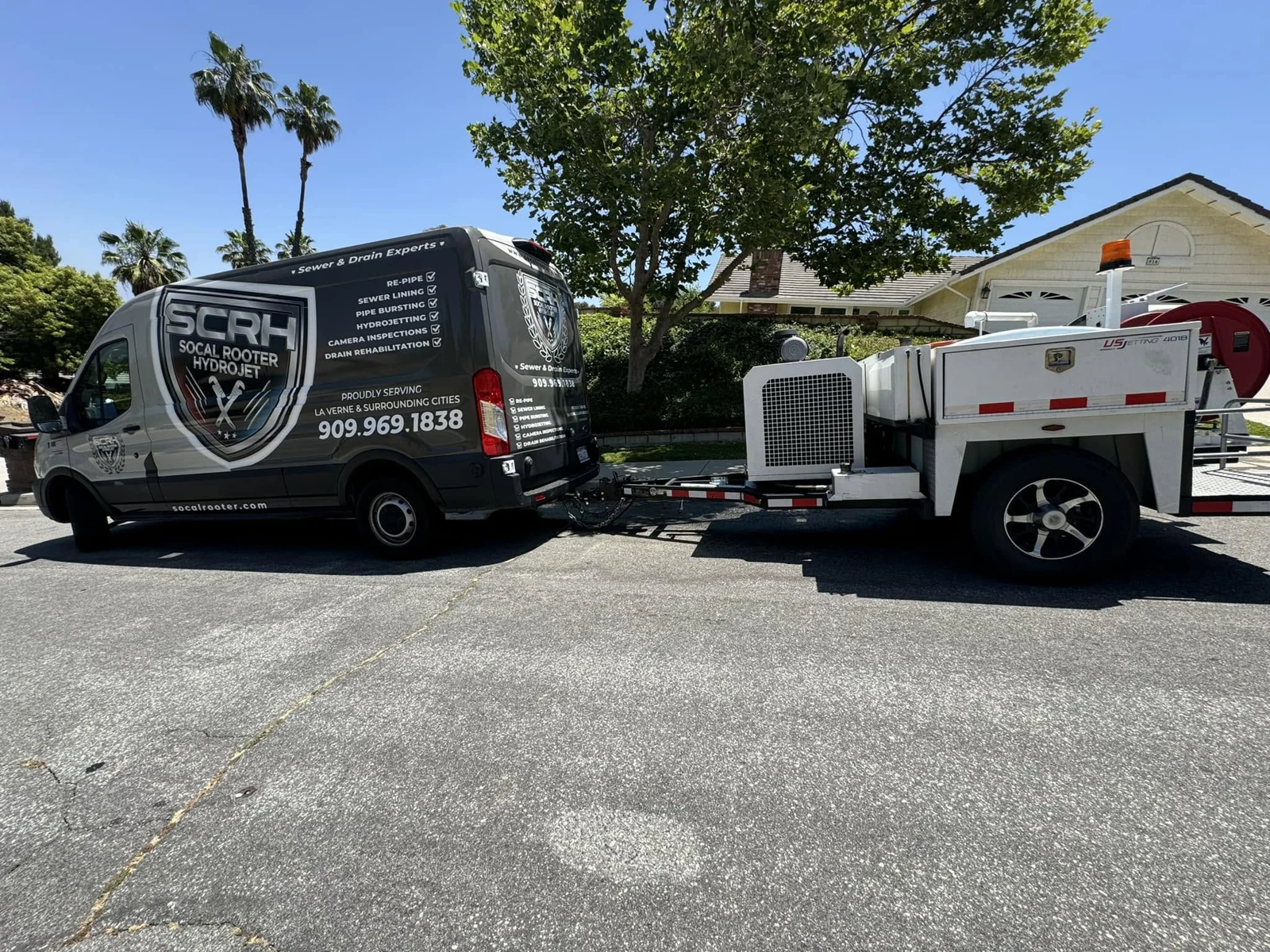
See our equipment and work in context on the official SoCal Rooter Facebook page. To discuss your own property, share your address and the work you need with our office.
Preparing for your plumbing appointment
Use the appointment form to explain what you need and request a visit that fits your schedule. Its three steps cover your service, requested arrival time and contact details. You do not need to diagnose the problem or choose a repair method before contacting us. The details you provide help our office understand the property, review availability and prepare for the conversation about your next step.
Choose a service for your plumbing appointment
A blocked sink can start with drain cleaning; a repeated backup may need discussion about sewer inspection. A planned bathroom renovation belongs with remodel plumbing, while a hot-water problem may need a repair assessment before you decide to replace equipment. If several descriptions seem possible, use the form option for an uncertain plumbing issue and describe the symptoms. Selecting a service does not commit you to a particular cleaning technique or authorize a repair.
Prepare property details for your plumbing appointment
Include the complete service address, the fixtures or equipment affected, when the issue began and whether it has happened before. Mention recent plumbing work or an existing inspection report. For a renovation, describe the proposed changes and the project stage. Optional photographs can help show the area or equipment, but you can submit the request without them. Also note gate access, parking restrictions or another person who will coordinate the visit. A concise description of these details is more useful than guessing the cause.
Add useful photos without delaying the request
Photographs are optional. The form accepts JPG, PNG or WebP images, with up to 5 photos and a limit of 2 MB per file. A clear view of the affected area or visible equipment label may help explain the issue. Use images you can take without opening equipment or removing fixtures, and avoid including unrelated personal information. If a file is too large or cannot be uploaded, remove it and continue with the description; photos are not required to request service. Do not include payment card numbers in photographs, the description or other request fields.
Your plumbing appointment arrival window
The form offers two-hour arrival windows in Pacific time. An arrival window describes when the team is requested to arrive, rather than how long an inspection or repair will take. Our office reviews the request and confirms availability for the address and work involved. A submitted request is not a confirmed appointment. Keep the reference shown after submission so the office can identify your request when you follow up, and wait for confirmation before arranging your day around the proposed visit.
Changing a plumbing appointment request
If you need to cancel or request a different time, call with your request reference and the updated information. Explain whether the visit has already been confirmed, and identify any change to your contact details or access arrangements. A requested replacement time still needs office confirmation; submitting a second form does not cancel the first request. If the plumbing problem becomes urgent, call to explain what is happening and check current availability. Sending another online request does not establish a faster response or an emergency dispatch. The office can discuss the appropriate next step using the details of the existing request.
FROM OUR CREW
See the work behind our services.
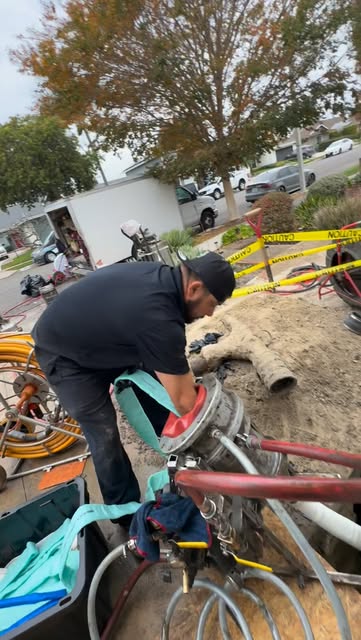
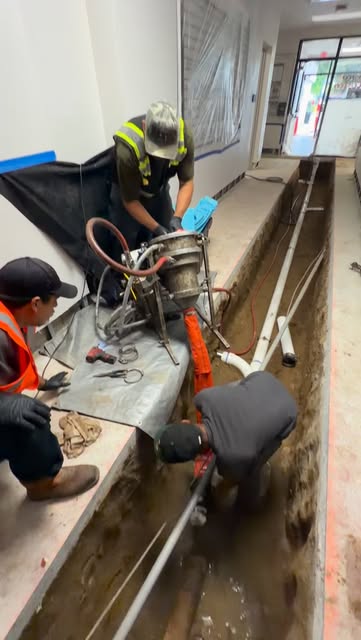
Explore three original project videos, then visit Our Work for the project details and field photographs. Each example reflects its own site conditions and scope.

Plan the details before work begins
Open the topics that apply to your property. These planning notes help you discuss the work, compare the scope and prepare for the next step.
Give your plumbing appointment request one clear purpose
Start the description with the question you want the visit to address. You may need help with a current symptom, clarification of earlier findings or planning for a future renovation. These are different requests even when they involve the same room. A clear purpose helps the office understand the conversation you need before the appointment arrangements are confirmed.
For a plumbing appointment concerning a symptom, name the affected fixture or equipment and state what you observe. Slow drainage, water appearing in a particular area and changing hot-water performance are descriptions; a conclusion about the concealed cause may still need assessment. You do not have to select a repair method to make the request useful.
If more than one concern needs attention, list them separately and identify the main reason for the visit. Include the location and current status of each. This avoids combining an older intermittent issue with a new event in a way that makes them appear simultaneous or already known to share the same cause.
Keep the initial account concise enough to follow while preserving the important distinctions. The description can explain the symptom, timing and question without reproducing every earlier conversation. Retain supporting records for the relevant detail and ask the office what additional information would help frame the appropriate assessment for the property.
For example, a plumbing appointment request may concern a current slow sink and a separate future bathroom remodel. List those as distinct purposes, identifying the main reason for the visit, so the office can discuss the appropriate assessment and scheduling information.
Describe timing and current conditions accurately
Separate when the concern first appeared from what is happening now. A problem that occurred once last week is different information from an active condition today. Use approximate dates when necessary and label them as approximate. A reliable partial timeline is more useful than precise-looking details reconstructed from uncertain memory.
A plumbing appointment request can include what changed after earlier service, but keep that result separate from an assumed diagnosis. State whether the symptom improved and how long the improvement lasted. If an invoice identifies the task or section addressed, use that information rather than a broad recollection that the entire system was repaired.
If another person observed the event, explain that the report came from them and keep the location and timing clear. Different people may have seen different stages. Avoid turning their accounts into a single definite sequence when the details are uncertain or combining reports from separate fixtures without preserving those distinctions.
Do not create another overflow or operate equipment simply to make the request more detailed. Describe the observations already available and the present condition. If the situation changes after submission, contact the office with the existing reference and updated facts so the conversation reflects the current concern rather than the earlier account alone.
Connect the plumbing appointment to relevant service history
Identify the most recent work related to the present concern, including the date and completed scope where known. Keep cleaning, inspection, repair and equipment replacement distinguishable. A record showing one task should not be described as proof that every later recommendation was carried out or that every connected area was included in the visit.
For a plumbing appointment involving an existing inspection report, state its date and the question you want answered. Mention work completed afterward because the current arrangement may differ from the recorded one. Keep any stated limitation with the report rather than treating footage of one section as an assessment of every pipe at the property.
If records are incomplete, say what is known and what remains uncertain. You can still request a conversation without a complete property archive. Avoid inventing the treated length, method or finding to make the history sound finished. The office can explain what information is useful for discussing the next appropriate assessment.
Prepare a focused set of relevant documents for the plumbing appointment instead of unrelated files. The current observation, last related completed task and open question provide a useful index. Keep original records available for detail so a brief summary does not replace a provider’s explanation or accidentally remove an important boundary from the history.
Explain the stage of a planned renovation or installation
For planned work, describe whether you are exploring options, reviewing a layout or coordinating an active construction project. Identify the intended change and which decisions remain open. The office should not have to infer that a photograph of a finished example represents an approved plan for your property or that every selected product has already been reviewed.
A plumbing appointment for a remodel is easier to discuss when existing and proposed arrangements are distinguishable. Note what moves, what stays and the room involved. Share available fixture or equipment information through the appropriate process, and identify provisional selections rather than presenting an undecided product as the one that will definitely be installed.
Mention another trade’s schedule as a coordination detail, not as confirmation that the plumbing visit can occur at that time. Explain the next project decision that depends on the assessment. Requested timing still needs office review, and a construction target should not be interpreted as an accepted appointment or a promise that a particular scope can be completed immediately.
Keep known existing symptoms separate from the renovation objective. If the room also has an unresolved leak or drainage concern, include a factual description and ask how it should be considered. Replacing or relocating a visible fixture should not be assumed to diagnose every earlier issue affecting the connected system.
Arrange access and authorization for the plumbing appointment
Identify who can provide entry and who is authorized to discuss the scope. These may be different people at a rental, shared property or managed building. The person present for the visit should not automatically be described as the decision-maker for work outside their role. Give the office enough context to understand the arrangement before confirming the visit.
Describe practical restrictions such as a gate, controlled entry route or occupied area relevant to the concern. Ask what ordinary preparation is appropriate. A plumbing appointment request does not require you to open a backed-up sewer, move heavy covers, disconnect equipment or alter a finished surface to demonstrate that the system can be reached.
If another unit or shared area might be relevant, state that uncertainty and identify the appropriate property contact. Do not promise access you cannot arrange. The office can discuss how the available entry affects the assessment, while the responsible representative handles the property’s appropriate permission and coordination process.
Update the office if access or contact arrangements change after the plumbing appointment request. Use the existing reference and identify whether the visit has been confirmed. A new person providing entry, an unavailable room or a changed decision contact can affect the practical plan even when the symptom itself remains the same.
Keep requested timing separate from confirmed arrangements
Choose a requested window that reflects your availability, then review the office’s confirmation before relying on the visit. A requested arrival time is not the duration of the assessment or repair. The work needed depends on the actual concern and scope, and the online selection should not be treated as a commitment to finish a particular task within that window.
For a plumbing appointment with several people coordinating access, make sure they understand whether the request is awaiting review or has been confirmed. Passing along a requested time as an accepted appointment can create confusion for occupants or managers. Keep the current status and the office’s actual message together when arranging the property’s availability.
If your schedule changes, contact the office with the request reference and the updated information. Explain whether you need a different time, cancellation or a change in the onsite contact. Do not assume that submitting another request automatically replaces the first one or establishes a new confirmed visit without office review.
If the plumbing concern becomes more urgent, explain the current facts when contacting the office to check availability. A second online plumbing appointment request does not establish faster service or emergency dispatch. The existing reference helps keep the updated information connected to the original request rather than creating two conflicting accounts of the same situation.
Prepare questions about the assessment, not a predetermined repair
Write down the main result you need from the conversation. You might want to understand the cause of a recurring symptom, the boundary of an earlier repair recommendation or the plumbing implications of a proposed layout. A focused question gives the assessment a useful purpose without requiring you to choose the technical response before the property is reviewed.
During a plumbing appointment discussion, ask which part of the concern the proposed assessment addresses and what remains outside it. Inspection, cleaning and repair are different tasks. Selecting a service in the form starts the scheduling conversation; it should not be interpreted as authorization for an unspecified method or expanded project.
If new findings lead to a broader recommendation, ask for an explanation of the observation, proposed response and affected scope. Identify the appropriate decision-maker rather than relying on whoever provided entry. Keep a proposed option distinguishable from an approved task so the project record reflects the actual decision made for the property.
For a plumbing appointment reviewing alternatives, compare the same objective and section before comparing service names. One proposal may include work another leaves outside its boundary. Ask about those differences and keep unresolved items marked as questions instead of assuming that similar headings describe identical work or guarantee the same result.
Keep the request, confirmation and outcome easy to follow
Retain the request reference and the office’s confirmation in a place the coordinating person can find. Keep them connected to the service address and current concern. If several properties or requests are involved, clear labels help avoid mixing an old message or another address’s arrangement into the current scheduling conversation.
After a plumbing appointment, keep any completed-scope information and available findings with the original concern. Mark recommendations separately from work performed. An assessment can identify a next decision without completing every task discussed, and the record should preserve that distinction for a later follow-up or another provider reviewing the history.
If a symptom changes or returns, add a new dated observation rather than rewriting the earlier event. Explain what differs and refer to the relevant completed work as context. A similar visible symptom does not establish the same cause, so the next conversation should begin with current facts and an accurate account of the previous result.
To follow up about your plumbing appointment, use the existing reference and state the specific question: timing, access, an updated symptom or clarification of the next step. This keeps the conversation focused and reduces confusion between scheduling status and technical findings. Continue to rely on office confirmation for appointment arrangements rather than an assumption drawn from an earlier requested time.
A short plumbing appointment record can identify the request status, confirmed arrangements and current open question. Keep those items separate from an estimate or recommendation that has not yet become approved work.