Table of Contents
Request sewer repair service for your property
When you request sewer repair service, tell us which fixtures are affected, where the symptoms first appeared and when the problem started. If this follows an earlier visit, include the approximate date and what changed after the sewer repair service. Mention which areas of the property the technician can access and who can approve any proposed sewer repair service.
The sewer repair service request is the start of the conversation. Use it to describe the issue and share a way for the office to reach you. If wastewater is backing up or service at the property is interrupted, call to discuss current availability. The office confirms appointment timing separately.
Preparing your property for a sewer repair service assessment
Describe how often you notice the problem and which fixture is affected first. A brief timeline can be more useful than a guess about the cause. If it only happens during a particular appliance cycle, after heavy use or when another fixture runs, include that detail. For a recurring problem, mention the date of the last visit and how long the earlier work appeared to help.
If drainage is currently normal, tell us what you saw when the problem was active. Use observations you already have. You do not need to run another cycle to reproduce an overflow. If the issue is active and water is spreading or sewage is backing up, call and explain the immediate effect so the scheduler can discuss current availability.
Provide the service address, unit number and the name of the person who will meet the technician. If multiple units are affected, collect a short description for each one. Identify a property manager or owner who can review findings and approve work, especially if that person will not be on site during the visit.
If the technician needs access to shared equipment, a locked utility area or a vacant unit, tell the scheduler ahead of time. Use a single contact who can pass along any updates to occupants. After the visit, ask where findings and any recommendations will be sent so the right people can review them.
Share previous sewer repair service records
If another contractor provided footage, note the date, what portion of the line was inspected and what question remains. For example, ask whether an observed defect explains the backup or whether a previously inaccessible section still needs review. Share any written scope or location notes before a follow-up appointment if you have them.
If sewer repair service has taken place since the recording, describe what was done and when. The conditions shown in earlier footage may differ from the conditions at the property today. Ask whether the crew can use the previous report to plan a visit and what additional information may still be needed before recommending a repair.
Review a sewer repair service proposal
If an estimate is already available, identify the item you want to discuss. Ask whether the scope covers assessment, cleaning, repair or replacement and which areas it includes. Mention any access, parking, timing or restoration requirement the crew needs to account for before it schedules the work.
If you need to confirm responsibilities with another contractor, ask what information each person should share. Useful records may include a marked location, a written description of the proposed work or a list of areas that will need access. Have the decision maker available if the proposed work needs clarification before it can proceed.
Follow up after sewer repair service
When requesting a copy of an estimate, invoice or inspection summary, include the job address and the date of the appointment. If you have a work order or other job reference, include it so the office can identify the right record. State what you need and where the office should send it.
If the same symptom returns, explain which fixtures are affected now, how soon it returned and what has changed since the visit. A symptom that looks familiar can have a different cause. Share photographs or notes from ordinary use if they help explain the issue, and ask what the next assessment should cover.
Sewer repair service: start sewer line repair with a useful symptom history
Describe what is happening now and how it differs from earlier events. Identify the affected fixtures, the timing and whether previous service changed the symptom. A repeated backup is important information, but it does not establish the exact cause or repair boundary. Keep the homeowner’s observations separate from a conclusion that still needs assessment.
A sewer line repair discussion is more productive when earlier cleaning and repair are listed as different tasks. Record the service date, section addressed and how long any improvement lasted. If an old invoice is available, share its actual wording rather than expand a limited task into a memory that the entire sewer was repaired.
Mention relevant work or changes at the property, including additions or later alterations to the drainage arrangement. State what is known and where the information comes from. An old plan can provide context, but it should not be treated as proof that every concealed route remains exactly as originally drawn.
If the concern is active, explain that when contacting the office. Do not repeatedly use affected plumbing to demonstrate a backup. The existing observations can support the initial discussion while the provider identifies the appropriate assessment. A factual account is useful even when an intermittent symptom is not occurring at the time of the visit.
Sewer repair service: separate the observed defect from the proposed response
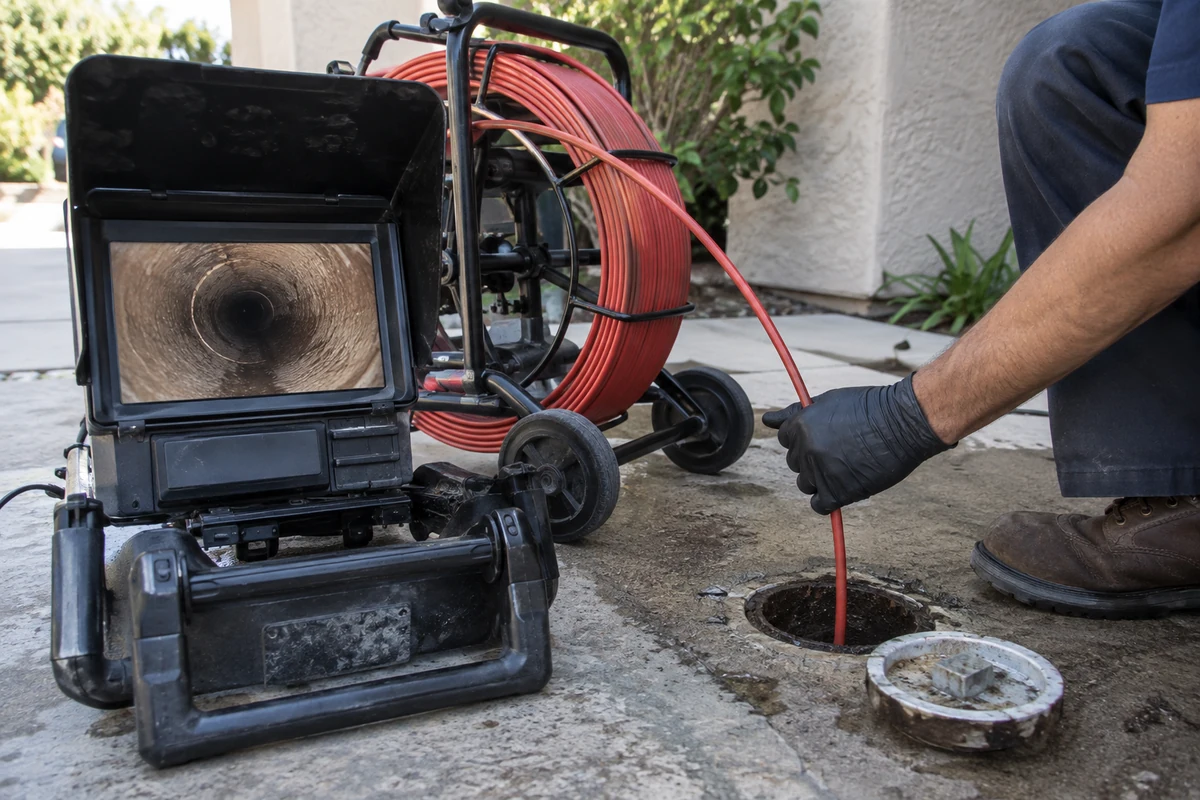
Ask the provider to explain what was actually observed and why it matters to the reported concern. If camera material is available, identify the relevant section or point in the recording. The homeowner should understand the finding in plain language without independently diagnosing an isolated image or relying on a general description of common sewer problems.
For sewer line repair, keep visibility and access limitations attached to the findings. An obscured view or unexamined branch is not a confirmed description of that area’s condition. Ask what remains uncertain and what additional information would help decide the appropriate scope before treating a partial record as a complete evaluation of the property.
A proposed task should explain how it addresses the assessed condition. Cleaning, inspection and structural work serve different objectives, and the record should distinguish them. Ask whether the immediate recommendation is intended to restore flow, clarify a question or complete a defined repair so you understand the result being proposed.
If the sewer line repair recommendation changes after further assessment, ask which finding changed the earlier understanding. Keep the new observation and proposed response connected in the record. This makes the decision reviewable rather than leaving the homeowner with an unexplained shift from one service name to a much broader project.
For example, earlier cleaning may have restored flow while leaving an inspection question unresolved. Keep both outcomes in the sewer line repair discussion. The successful immediate result and the unanswered question can coexist, and the provider should explain what further information would affect the next decision.
Sewer repair service: define the sewer line repair boundary and remaining system
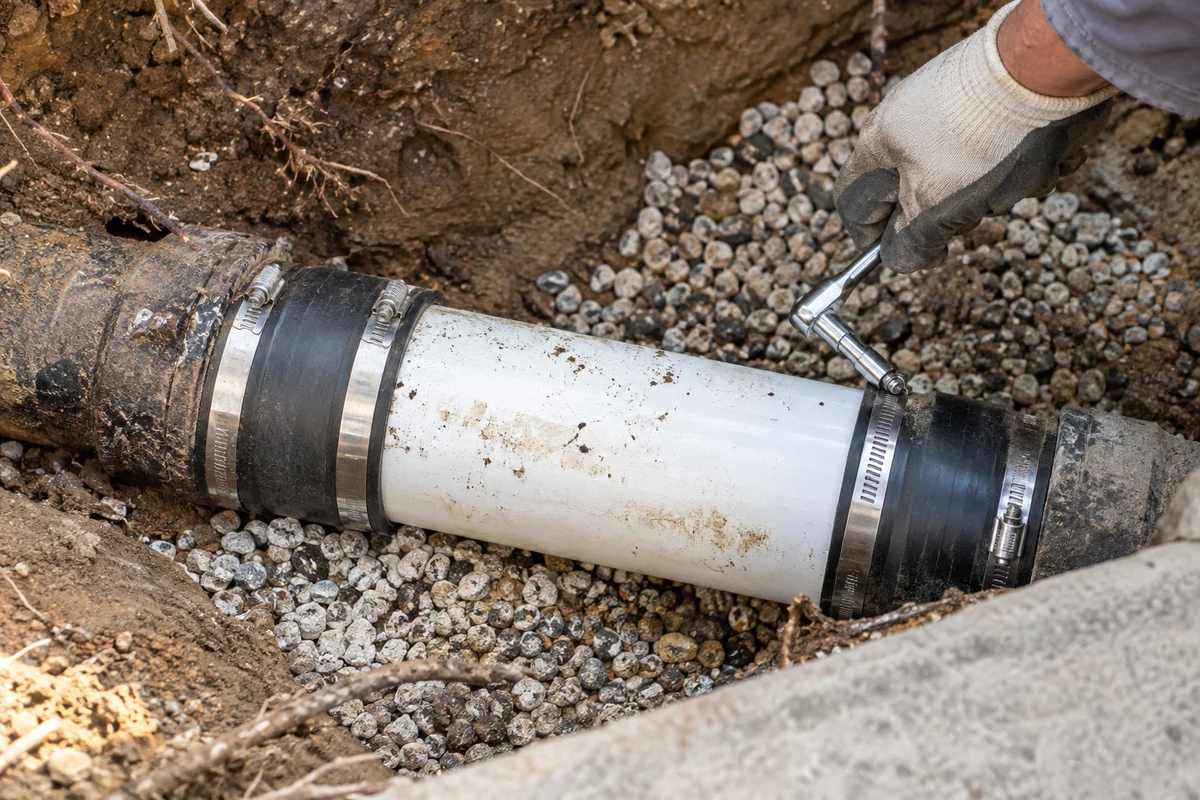
Ask where the targeted work begins and ends and how it relates to the surrounding pipe. A localized proposal should describe the section being addressed, not imply that every connected drain will be renewed. Use recognizable location information where available so the completed boundary can be understood later without relying on the original conversation.
The sewer line repair scope should identify which surrounding information was reviewed and which areas remain outside the assessment. If another condition could require separate attention, keep that question visible. A clear targeted task can still have value without being represented as a complete renewal of the property’s drainage system.
Ask about the relevant connection and access work included in the proposal. The damaged section alone may not describe the entire job. Keep preparation, the repair itself and completion information within the discussion so the homeowner understands what the provider intends to do and what supporting tasks may belong to another agreement.
Retain the original boundary and any approved revision. If further findings expand or change the section, the final description should reflect the actual work. This protects the usefulness of the service history when another provider later needs to distinguish the repaired area from piping that remained unchanged.
Sewer repair service: compare a targeted repair with broader options
Ask what each option is intended to accomplish and what it leaves in place. A localized repair, rehabilitation of a suitable section and replacement can involve different boundaries and objectives. Their relationship to the same reported symptom does not make them identical projects, so clarify the result before comparing method names or totals.
For sewer line repair alternatives, request the reason a narrower scope is considered suitable or insufficient. The explanation should follow from the available findings rather than a general preference for the smallest or largest project. Keep any uncertainty visible so the homeowner knows which decision can be made now and which needs more information.
Compare access, associated work, retained sections and restoration responsibilities using the same categories. One proposal may include a task another excludes. Mark those differences explicitly instead of assuming an omitted item is unnecessary or included elsewhere, and ask how the complete intended result will be arranged under each option.
Identify property priorities such as a particular finished surface or access to an occupied area. Ask how the assessed options respond to those needs without allowing the preference alone to determine suitability. A useful comparison explains practical tradeoffs alongside the reason for the recommended work, avoiding a universal promise about cost, speed or disruption.
Another comparison may involve different section lengths rather than merely different methods. Ask each provider why that boundary was selected. Sewer line repair options should be compared with those differences visible, so the homeowner understands whether the proposals address the same objective before treating their totals as equivalent choices.
Sewer repair service: plan access and surface handoffs before work begins
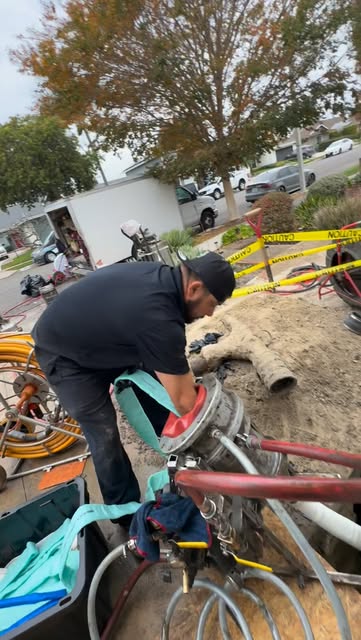
Describe ordinary entry restrictions, gates, occupied areas and known access locations during planning. Ask what preparation the provider needs for the agreed scope. You can share location information without opening a backed-up line, moving heavy covers or altering a finished area to prove that the plumbing can be reached.
A sewer line repair access plan should identify the actual areas involved and any information still needing verification. If an expected route is unavailable or unsuitable, ask what alternative is proposed and how it changes the scope. An access limitation should lead to a defined decision rather than an assumption that any additional work is already authorized.
Clarify protection, cleanup and restoration responsibilities where relevant. A plumbing agreement may end at a different point from the surrounding finish work. Ask what condition will be left for another provider so the homeowner understands the whole project arrangement and does not mistake completion of the sewer task for completion of every affected surface.
Keep the sewer line repair plan current if the access arrangement changes. Tell the relevant project contact and update any affected trade handoff. The final documents should describe the work actually carried out, including approved revisions, rather than leave the original access assumption as the only information available to future service.
Sewer repair service: give occupants one clear plan for restrictions and updates
Identify everyone whose use may be affected, including other households or staff where relevant. Ask the contractor which fixtures and areas the actual restrictions concern. A fixture that appears normal is not automatically outside the affected arrangement, so the property contact should relay the provider’s instruction rather than ask users to infer concealed connections.
For sewer line repair scheduling, distinguish an estimated work window from confirmation that normal use can resume. Identify who provides the release instruction and how it reaches affected people. A crew leaving one area or equipment being moved does not replace the contractor’s confirmation for the completed task.
Separate entry coordination from approval authority. The person opening a gate may not be authorized to approve a revised scope. Establish the appropriate decision contact and a backup where needed so the provider can explain a new finding to the right person without treating availability as blanket authorization for additional work.
If timing or scope changes, issue a clear sewer line repair update through the agreed property contact. Identify which earlier message it replaces. Occupants should have one current instruction instead of several informal versions of the plan, particularly when someone arrives after the original briefing or shares facilities with another unit.
Sewer repair service: record what the completed repair establishes
Ask the provider to identify the task completed, the section addressed and any remaining limitation. Keep the final scope and approved changes together. A general statement that the sewer was fixed can imply more than a targeted project established, so retain the actual boundary in terms another service provider can understand.
Store available checks or inspection material with the sewer line repair explanation. Ask what the record covers and what lies outside its view. A documented result for the completed section should not be interpreted as assessment of every branch or as an unlimited promise about future performance elsewhere in the system.
Keep relevant care instructions and written coverage terms by purpose. A recording, expected lifespan and warranty document answer different questions. Ask the appropriate issuer about unclear terms and preserve the clarification with the original information, rather than assume another project’s coverage or general product description applies to this installation.
If a concern returns, add a new dated account of the timing and affected fixtures. The sewer line repair history gives context, but a similar visible symptom does not by itself prove that the same cause has returned. Share the current observation and completed-work records so the next assessment begins with accurate information.
Use dated labels for initial findings and final records. A sewer line repair file should make the completed stage easy to identify while preserving earlier context. A short index can guide later service to the relevant documents without reconstructing the project from unnamed files.
Arrange a focused sewer line repair assessment
When contacting SoCal Rooter, provide the service address, present condition and relevant inspection or service history. Explain whether the request concerns a new symptom, recurrence or clarification of an existing recommendation. A clear purpose helps the office discuss the appropriate next step without assuming a repair method has already been selected.
Mention ordinary access constraints and the authorized contact if someone else provides entry. State what you know about the property arrangement and where uncertainty remains. You do not need to independently map concealed piping or open the system before asking the team to review the concern and confirm availability for an assessment.
Prepare a concise set of relevant records rather than an unrelated property archive. Include the current observation, last relevant completed task and the question still unanswered. Keep original documents available so a brief summary does not replace the provider’s earlier explanation or accidentally omit an important limitation from the history.
Use the resulting findings to review the sewer line repair scope and any suitable alternatives. Keep the proposed work connected to its purpose, boundary and complete responsibilities. An online request begins the conversation; confirm the appointment through the office rather than treat the message as a guaranteed arrival or a promise of a particular solution.
- Request an appointment
- Contact SoCal Rooter
- Plumbing services
- Hydro jetting
- Drain cleaning
- Sewer camera inspection
- Trenchless sewer repair
- Sewer pipe lining
- Pipe bursting
- Sewer replacement
- Service area
- EPA information about sewer overflows