Explore our sewer projects, from CIPP pipe lining to drain cleaning. Three original project videos and three field photos show our crew and equipment in action. Based in La Verne. Working across Southern California.
PROJECT VIDEOS + FIELD PHOTOSLA VERNE / SOUTHERN CALIFORNIA
01 / ON THE JOB
Watch our sewer projects take shape.
Three projects. A closer look at the process. Each video opens the original Instagram reel.
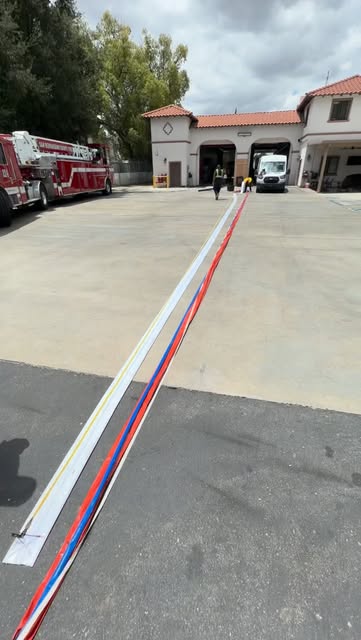
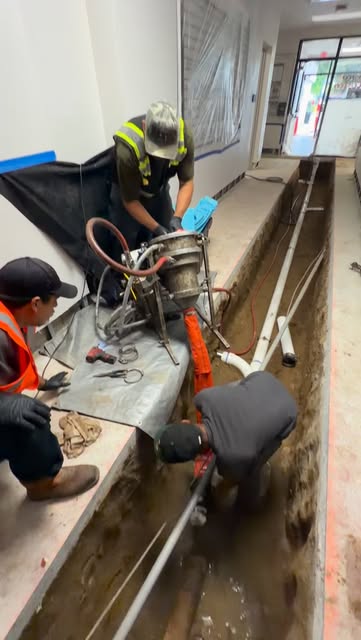
Project footage from work supporting local firefighters, with more than 150 feet of deteriorated cast-iron sewer pipe replaced, as documented by our team.
SoCal Rooter & HydroJet provides hydro jetting, sewer camera inspections, drain cleaning and trenchless sewer repair from our La Verne base. We work with homeowners, commercial properties and community facilities.
The gallery brings together different types of sewer projects rather than a single repair method. The commercial lining video shows work inside an existing pipe. The fire station footage documents a separate property and scope. The four-liner workday follows installations across several locations. Open each original post for its context, then use the related service link to understand the method shown.
Look at the access and preparation
Equipment and materials tell part of the story, but a short video cannot show every condition underground. When reviewing sewer projects, notice where the team accesses the pipe and which areas of the property are involved. Ask how those conditions compare with your own cleanout locations, landscaping, paving and building layout. A technique that suited a filmed project still needs an assessment before it can be recommended elsewhere.
Separate cleaning, rehabilitation and replacement
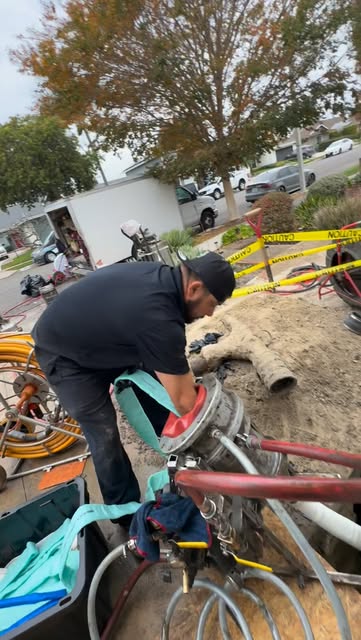
The field photographs show equipment, crew activity and removed roots. They illustrate parts of the work without establishing the condition of every pipe on the property. Clearing roots or buildup is different from repairing a damaged section. Lining and replacement also serve different purposes. Ask which findings support a proposed approach, how much pipe is included, and whether preparation or restoration is part of the estimate.
Bring useful questions to your assessment
If these sewer projects resemble an issue at your property, share the symptoms, location and any previous inspection findings with our office. You can mention a specific gallery example to explain what you want to understand. The next discussion should address your property, including access, suitable methods, the proposed scope and any uncertainty that requires further investigation. Project footage is useful background; it does not set the price or timing of a new job.
FOLLOW ALONG
More sewer projects from the field.
Visit @socal_rooter for new project videos and updates from our crew.
See how descaling and hydro jetting prepared a restaurant sewer for four CIPP liners installed through one access point. View the project photo, video and scope.
Open the topics that apply to your property. These planning notes help you discuss the work, compare the scope and prepare for the next step.
How to explore the sewer projects in this gallery
Start with the type of work you want to understand, then open the original project post for its context. The gallery brings together cleaning, rehabilitation, replacement and field photographs. These sewer projects show different parts of the team's work; they should not be treated as interchangeable examples of one service or one standard repair scope.
The commercial lining video, fire-station footage and four-liner workday have separate descriptions. Keep each description attached to its own video. A length or location stated for one example should not be transferred to another. The original post helps preserve the context rather than leave the viewer to infer project facts from equipment alone.
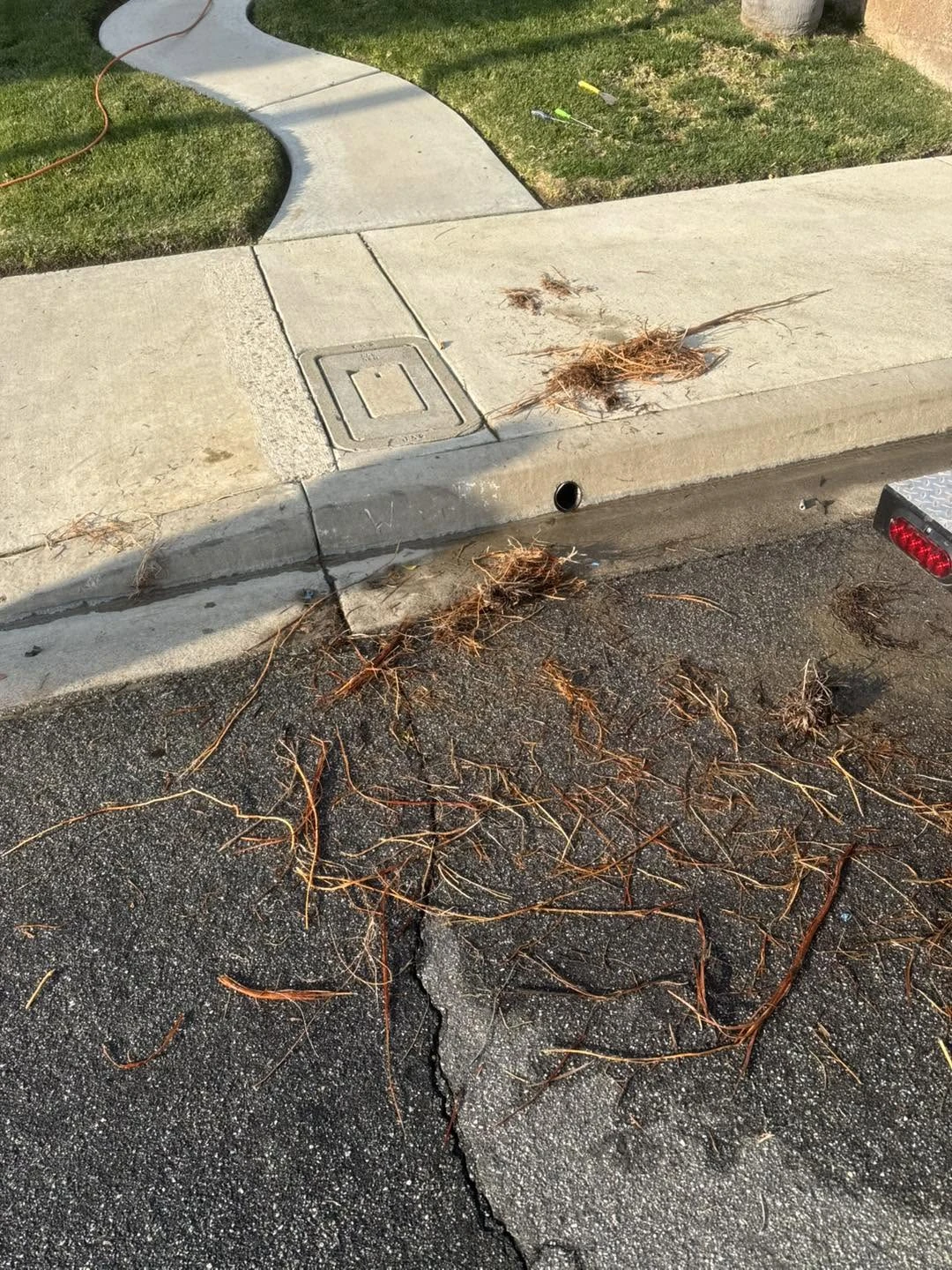
The photographs serve another purpose. They show the crew, equipment and material removed from a storm drain. A field image can make the work more tangible without establishing every condition at the property. Read its caption before drawing a conclusion about the system involved or assuming it documents a particular repair method.
If several sewer projects interest you, compare the questions they raise rather than rank them by size. Ask what was being cleaned, rehabilitated or replaced, and which section the caption identifies. A larger documented job is not a template for a smaller property, nor does a familiar-looking surface establish the same underground conditions.
Use the related service links when you want a general explanation of the method. Use the project post when you want the documented example. Keeping these two purposes separate makes the gallery easier to navigate and helps avoid treating a brief video as a complete service description or a proposal for another property.
Read sewer projects as records of specific work
A caption identifies the facts supplied for that example. Footage may show only part of the preparation, equipment handling or installation. Sewer projects often involve decisions that a short clip does not capture. The video should be understood alongside its description, without assuming that every stage, inspection result or project limitation appears on screen.
A visible access point can help you recognize where work is happening, but it does not map the complete line. Likewise, an image of material or equipment does not establish the length treated. Use the stated project information where available and leave unstated details as unknown rather than filling them from appearance.
The still images and videos may encourage questions about how your own property could be assessed. That is a useful starting point. It is different from concluding that your line has the same condition or can use the same arrangement. The recommendation for another address should follow its actual findings and access.
When discussing sewer projects with the office, identify the particular example that prompted your question. You can say you want to understand the difference between lining and replacement or ask how access affects planning. The example provides context for the conversation without becoming evidence about the concealed system at your property.
Keep any records from your own line separate from the gallery material. A saved project video is not inspection footage of your sewer. Your service history, assessment findings and completed-work record should identify your address and section so a future provider does not confuse general background with property-specific evidence.
Distinguish the objectives shown across sewer projects
Cleaning, rehabilitation and replacement answer different questions. Cleaning addresses material in a suitable line; a repair proposal addresses an identified condition within a defined scope. The sewer projects here can help make those categories more familiar, but the method name alone does not explain every stage or boundary of a complete project.
A photograph of removed roots illustrates a clearing result. It should not be read as proof that an entry condition was repaired or that every connected pipe was assessed. The caption identifies a storm-drain example. Keep that context rather than assuming it is a sewer camera finding or footage from another installation.
CIPP examples show a form of rehabilitation within a suitable existing pipe. Replacement examples concern a different objective. When comparing these approaches for your own property, ask what finding supports each recommendation and which section is included. A preference for one method should not replace assessment of the actual line.
Some sewer projects combine several stages. The restaurant case study describes cleaning preparation and later lining, while the Pasadena case study documents a particular lined section. Read the full case study for those stated details. Their sequences illustrate planning questions without implying that every cleaning request needs the same later repair.
Use a simple question to stay oriented: what is this stage intended to accomplish? That separates preparation from installation and an observation from a correction. It also helps you understand why a proposal for your property may include more than one decision rather than a single service label covering everything.
Compare access across sewer projects carefully
Access is one of the useful details to notice in sewer projects. Look at the work area and read what the description actually says. Then consider which questions you need answered at your property, such as available entry points or occupied areas, without assuming the same arrangement will be suitable elsewhere.
A method described as trenchless does not, by that word alone, define every opening or restoration task. Ask the provider to explain the actual access plan for the proposed scope. A gallery example can make the technique easier to picture while still leaving the site-specific assessment and estimate to establish its practical impact.
Tell the office about known gates, parking, locked areas or property coordination needs when requesting service. Identify a known cleanout location without opening it yourself. Useful preparation supplies information and safe ordinary access; it does not require altering plumbing or removing surfaces to imitate something seen in project footage.
When sewer projects involve an occupied home or business, fixture-use instructions and communication matter alongside the physical work. Ask who will explain restrictions and confirm when use can resume. A short video cannot establish another property's schedule, so plan from the actual proposed sequence rather than an assumed duration.
Clarify the handoff for any affected surface. Access closure, material assessment and decorative restoration can be different tasks. The estimate should identify what is included and who handles another stage. This turns a general impression of disruption into a practical project plan that can be understood and compared.
Turn interest in a project into useful assessment questions
Begin with the current concern at your address. Describe the affected fixtures, timing and any recurrence after earlier work. You can mention the sewer projects that prompted your interest, but the provider needs your property's observations and available records to discuss an appropriate assessment rather than reproduce a gallery example.
Ask which finding supports the proposed method. If the available view is incomplete, keep that limitation visible. A useful recommendation explains what is known, what remains uncertain and which next step addresses the gap. A confident method name is not a substitute for connecting the work to the actual assessed condition.
Ask where the proposed work begins and ends. A documented length in a gallery caption belongs to that example. Your estimate should identify its own boundary and explain why that section is recommended. Keep exclusions clear so a focused repair is not mistaken for work on every connected part of the system.
When comparing sewer projects with your situation, also ask about preparation and verification. An installation clip may not show every earlier or later task. The proposal for your property should explain its included stages and the record you can expect, rather than rely on the viewer's interpretation of a short sequence.
Before proceeding, summarize the objective in ordinary language and ask for correction if needed. You should understand what the work is intended to accomplish and which question remains outside it. This makes the project discussion useful without requiring the homeowner or manager to become an equipment or installation specialist.
Explore sewer projects through case studies and service pages
The detailed case studies provide a closer look at two sewer projects already linked here. The Pasadena example documents a 44-foot cast-iron lining project. The restaurant example documents approximately 200 feet of lining after preparation, with four liners through one access point. Those facts remain specific to the described jobs.
Open a case study when you want to connect the original photo or video with its stated scope. Open a service page when you want to understand the general approach and assessment questions. This distinction lets you browse efficiently without expecting a project journal to answer every question about an unrelated property.
If you are comparing methods, read the relevant service descriptions before assuming the examples are alternatives for the same condition. A lining project and a replacement project can have different purposes. The actual assessment should establish whether either approach fits your line, with the boundary and limitations explained in the proposal.
Keep sewer projects as background when reviewing an estimate. They can make terminology familiar and help you ask about access or handover. They do not establish a standard price, warranty or schedule. Those details belong in the actual project documents supplied for the work being considered at your address.
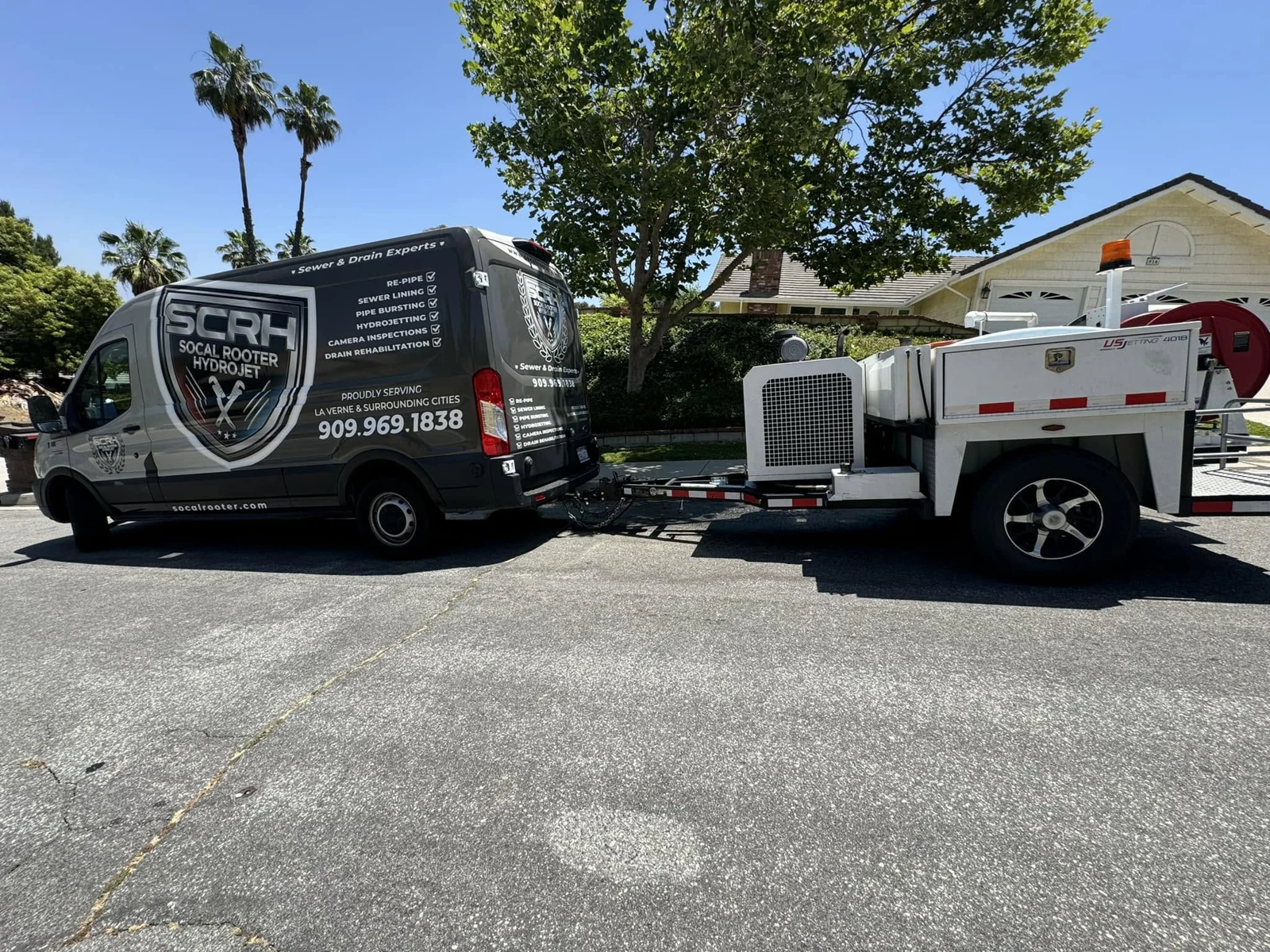
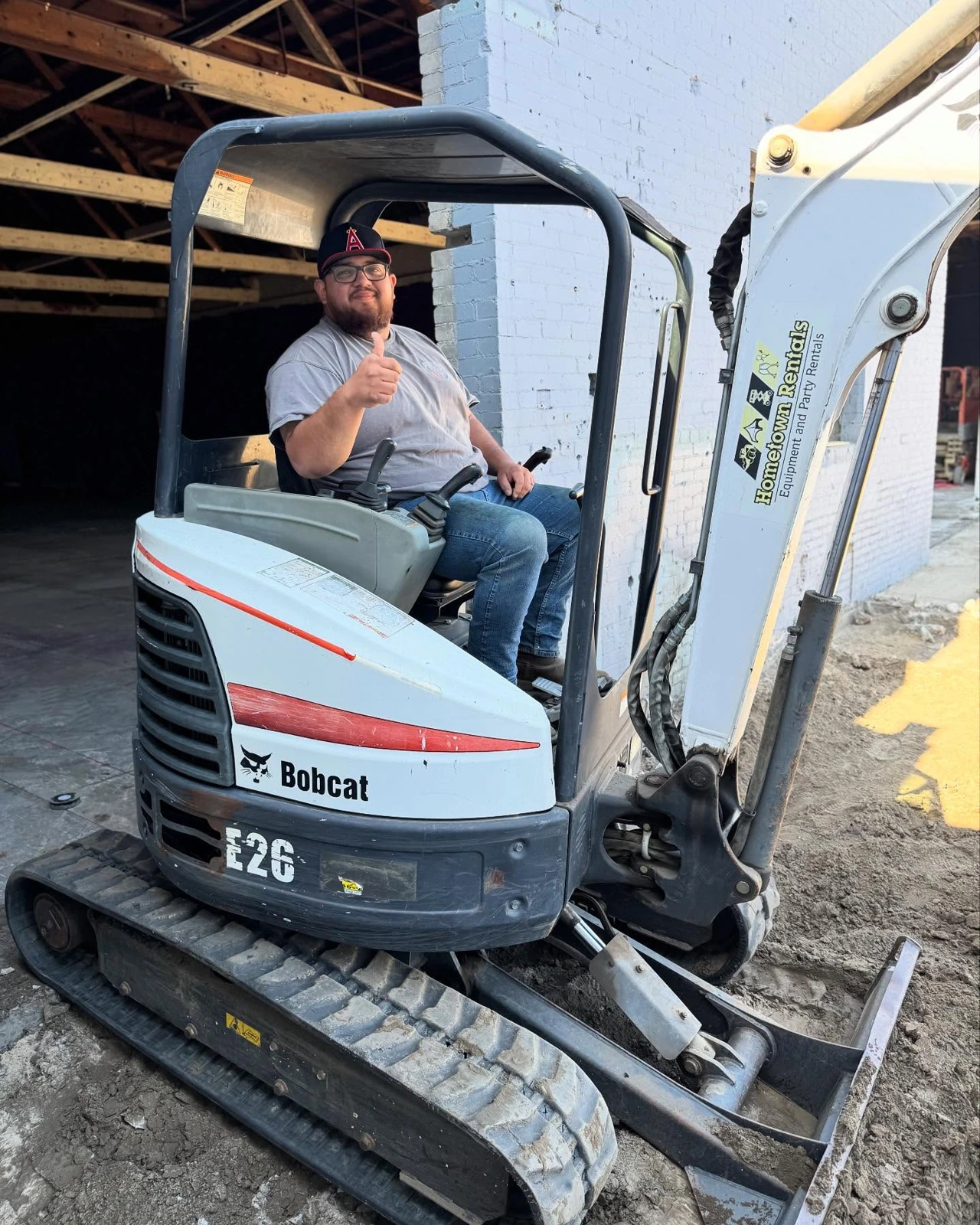
The gallery also introduces the people and equipment behind the work. A crew or vehicle photograph can provide that context without proving an unstated service or condition. Follow the caption and related link, and ask the office about the actual service needed rather than inferring an offering from equipment visible in the image.
Bring your property's information to the conversation
When you are ready to discuss service, provide the exact address, current symptoms and relevant completed-work history. State uncertainty honestly. The team can confirm availability and discuss the next assessment using that information, while the sewer projects remain examples that explain your interest rather than a diagnosis of your property.
For a rental or commercial location, identify who provides entry and who can approve additional scope. These may be different people. Clear contacts help the provider communicate findings without expecting an occupant or staff member to make an unarranged decision merely because they are present during the appointment.
Have relevant inspection records available, but label estimates that were never performed as proposals. A concise summary is more useful than an unorganized collection with no explanation of the present concern. The discussion should distinguish observed symptoms, earlier completed work and questions still awaiting assessment.
If sewer projects elsewhere suggest a question about your line, write that question down and bring it to the assessment. Ask how the example differs from the actual findings. This keeps the conversation grounded in evidence while using the gallery for its intended value: a clearer view of the work and the decisions behind it.
Online requests require office confirmation. Explain meaningful changes in the current condition while the appointment is being arranged. A clear request about your property, supported by its own history and access details, is the practical next step after exploring the photos and original project videos.
Keep questions from sewer projects separate from confirmed findings at your address. The assessment should explain the relationship rather than assume a match.
 PROJECT VIDEOWatch on Instagram