
Pasadena sewer lining: 44 feet of cast-iron pipe
Follow our Pasadena CIPP project with a field photo, original project video and an explanation of the lining work.
12 SERVICES / ONE CONNECTED APPROACH
Sewer technology. Hot water. Whole-home plumbing. Explore your next step.
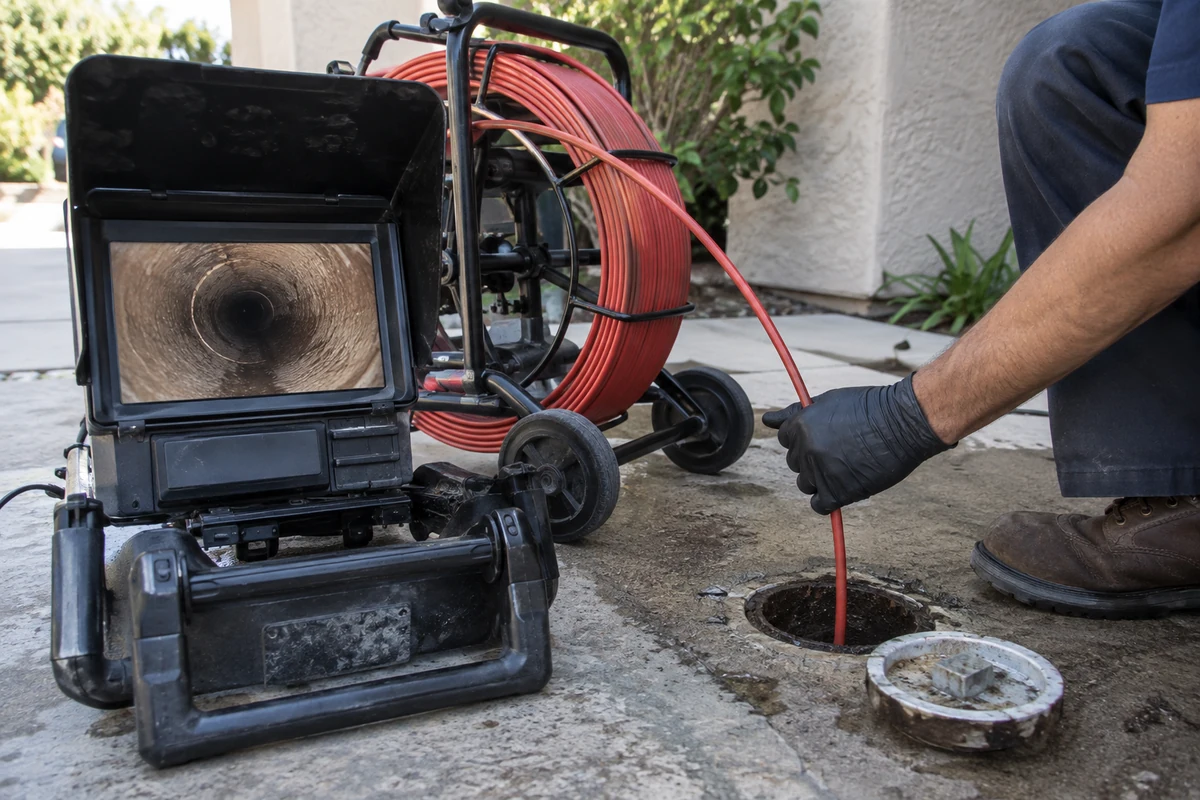 01 /
See the cause. Plan the solution.
Explore service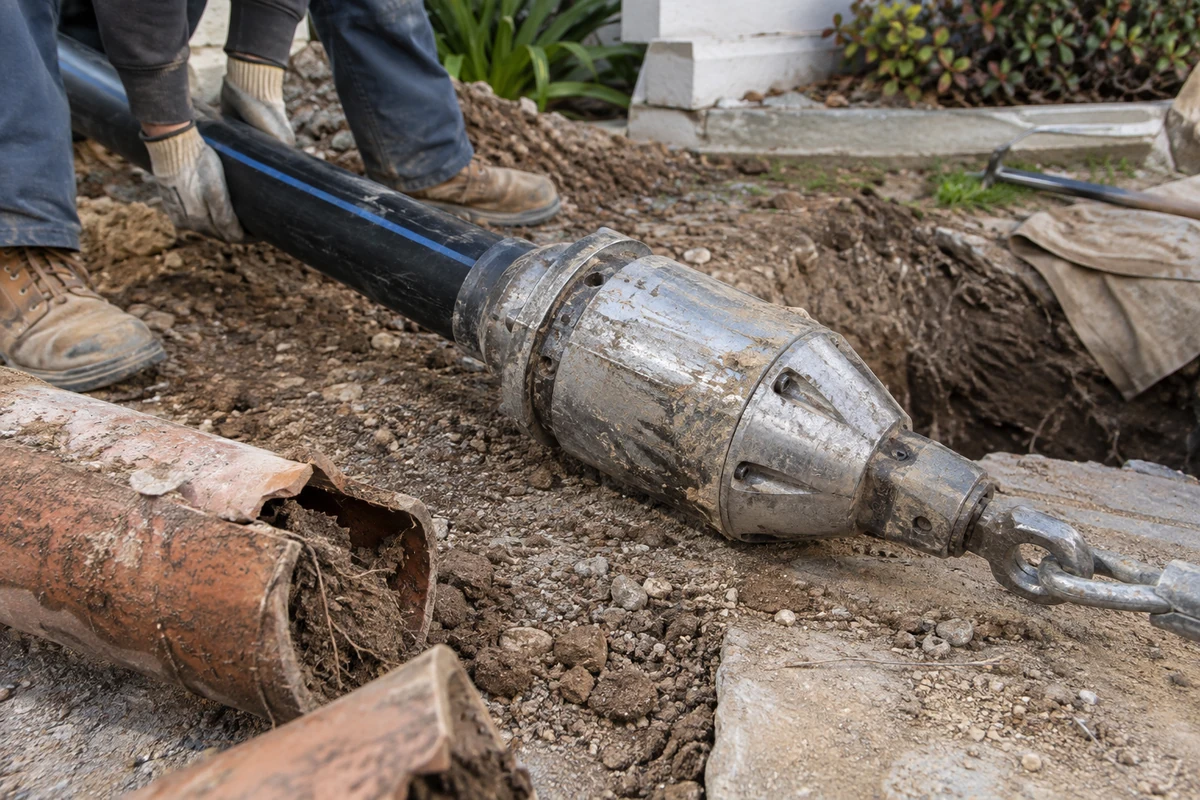 02 /
A new line. Along the existing route.
Explore service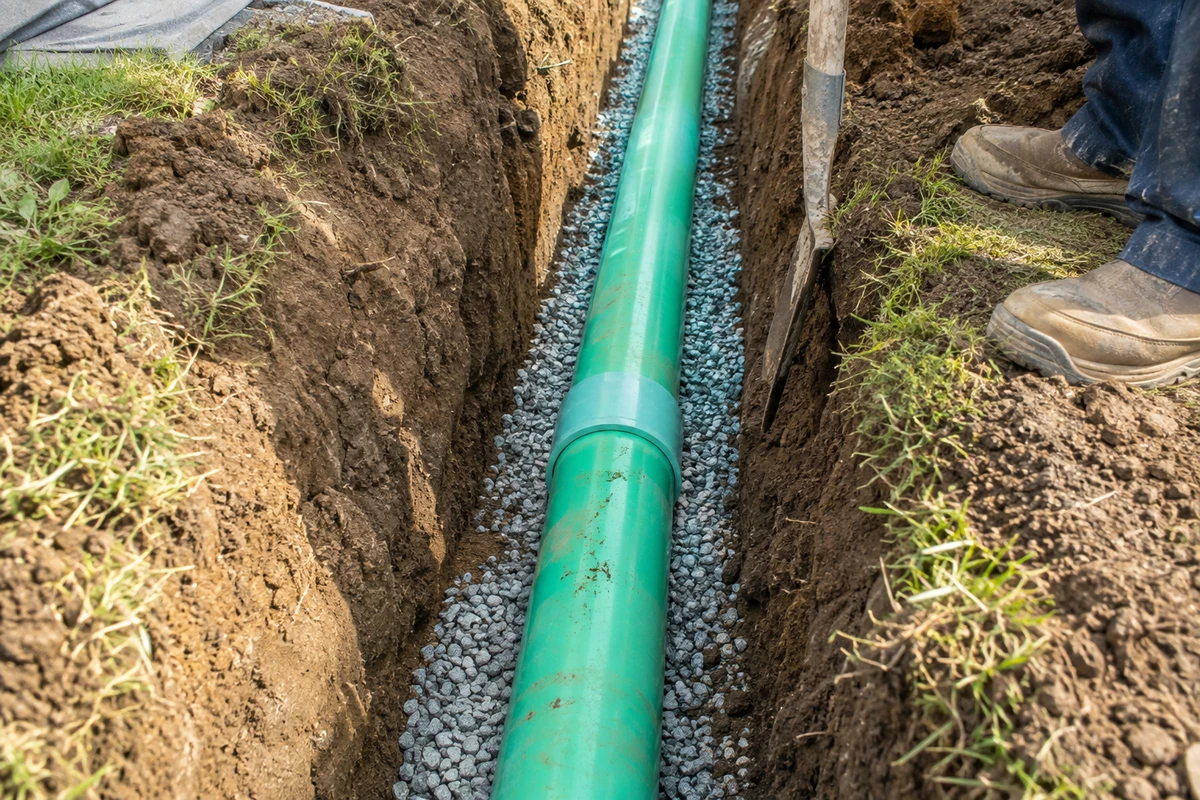 03 /
Replace damage. Restore dependable flow.
Explore service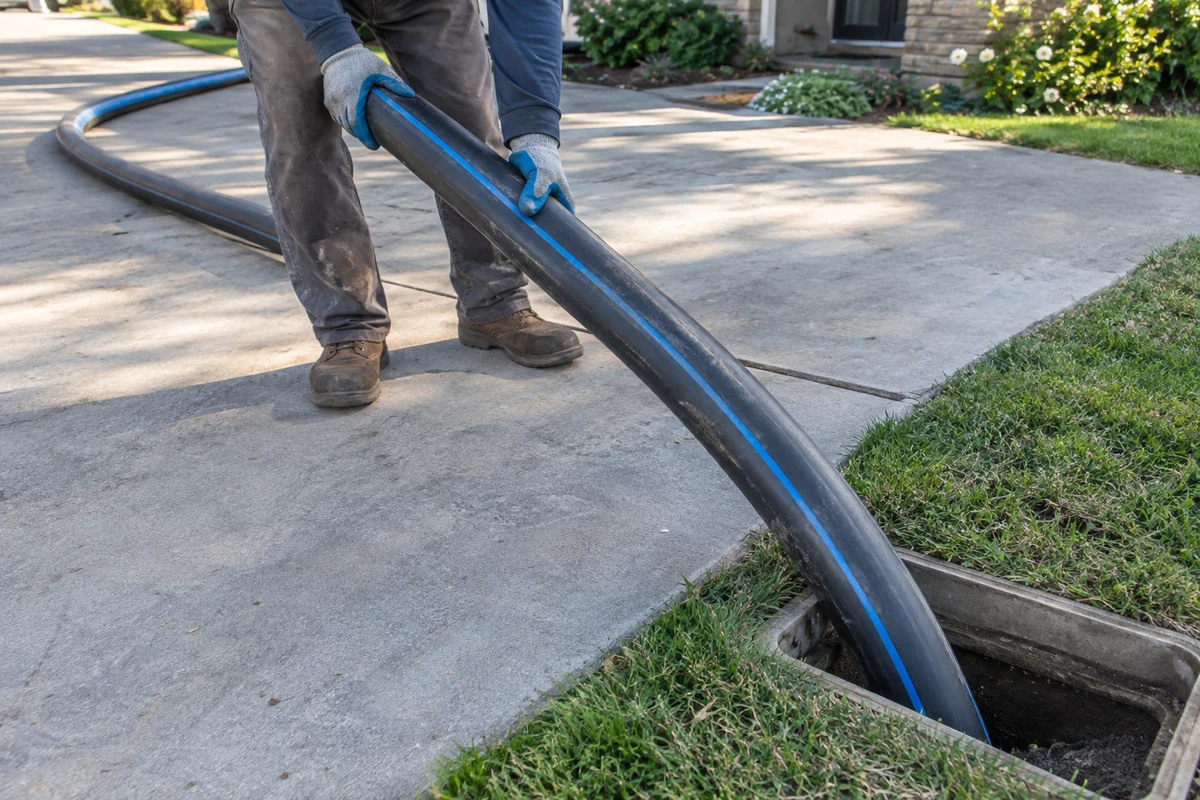 04 /
Repair below. Preserve more above.
Explore service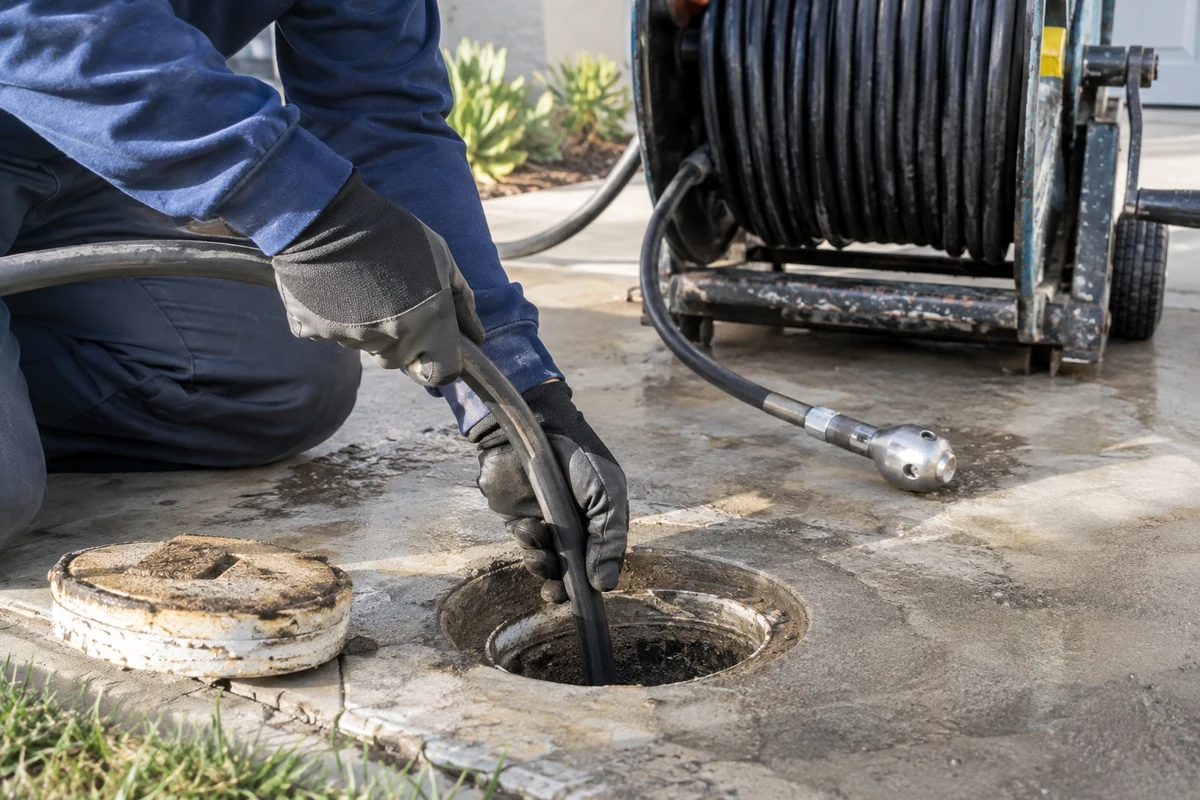 05 /
Powerful water. A cleaner pipe.
Explore service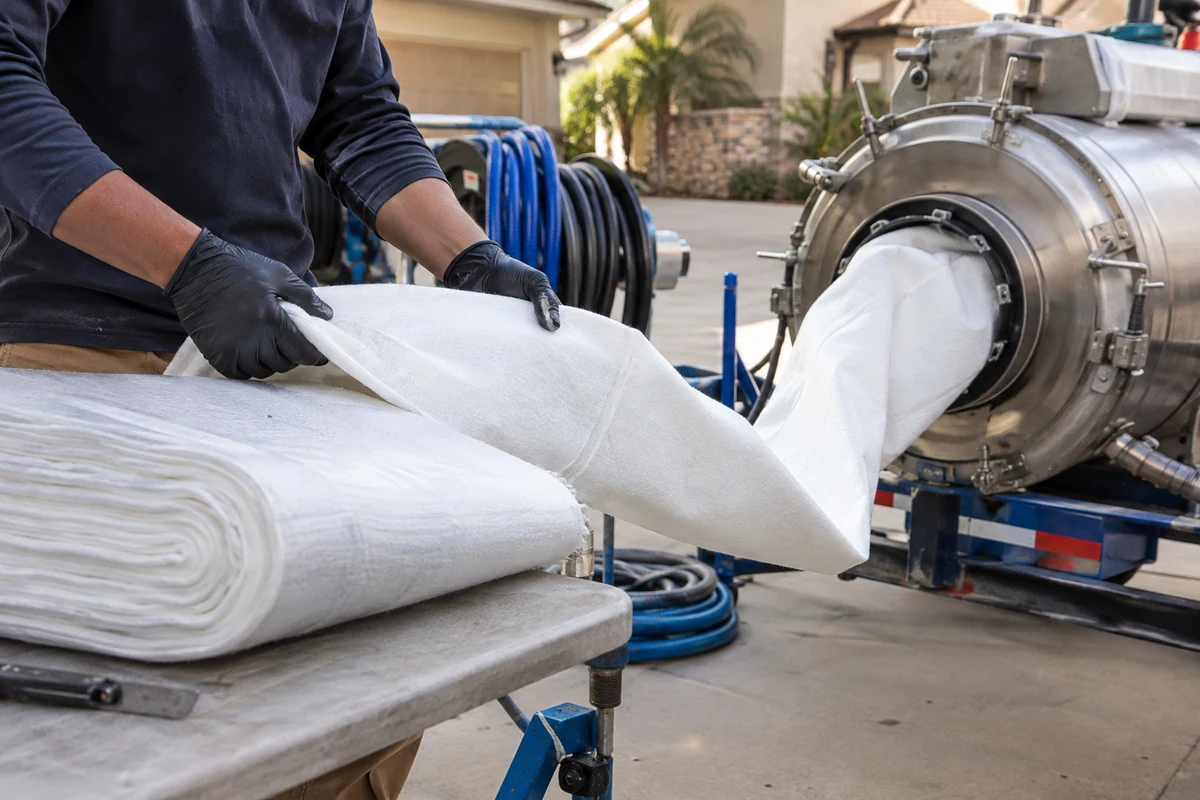 06 /
Renew a suitable pipe from within.
Explore service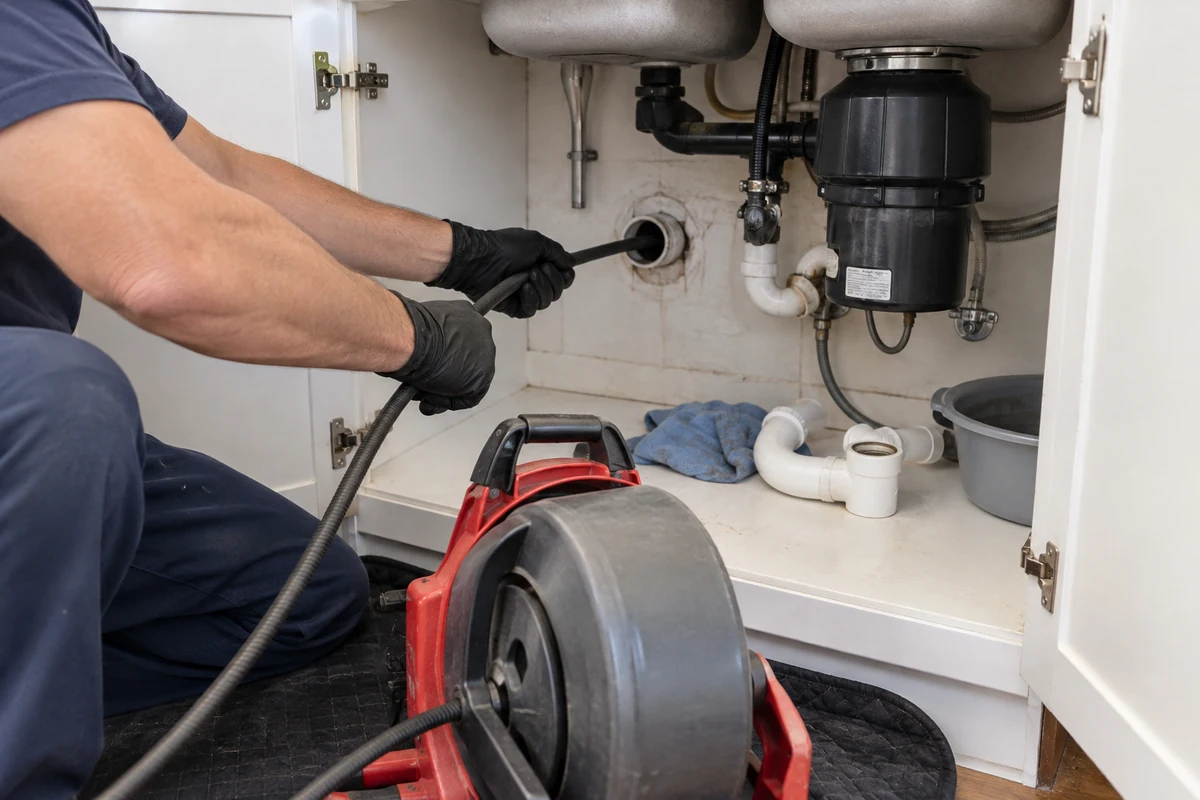 07 /
Clear the blockage. Get things moving.
Explore service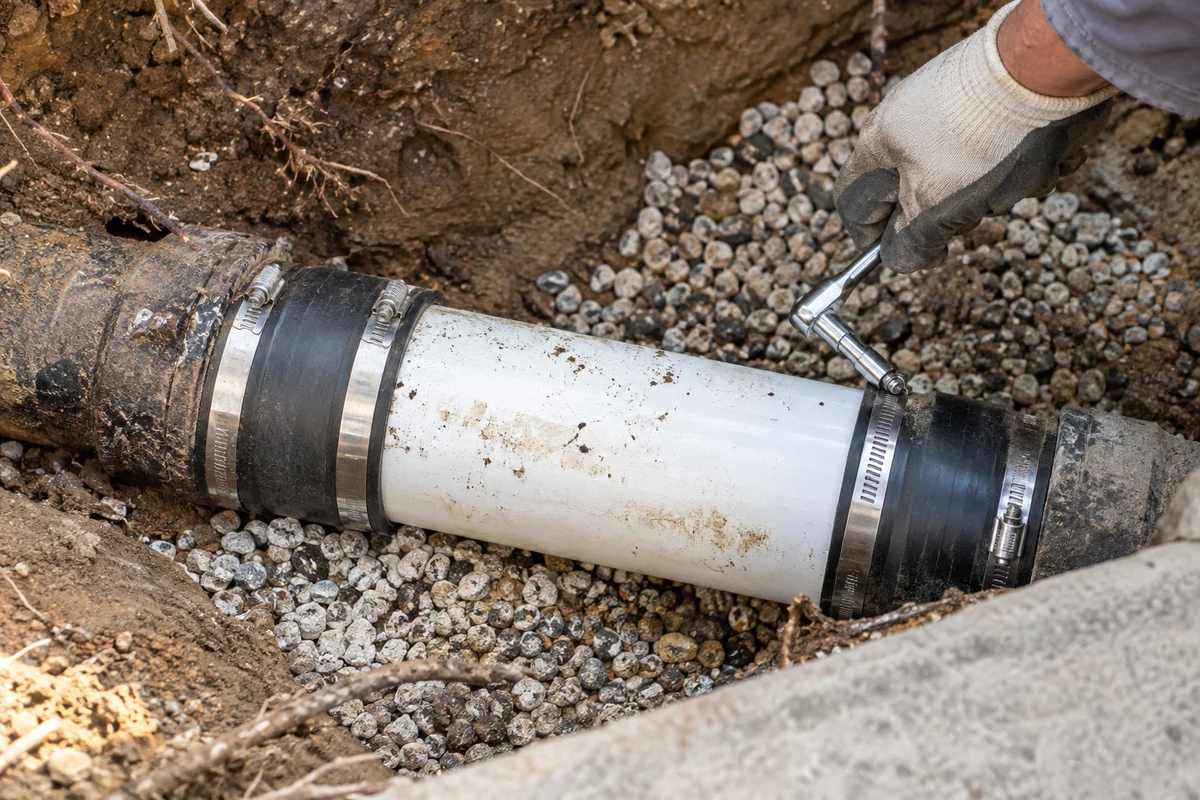 08 /
Find the damage. Target the repair.
Explore service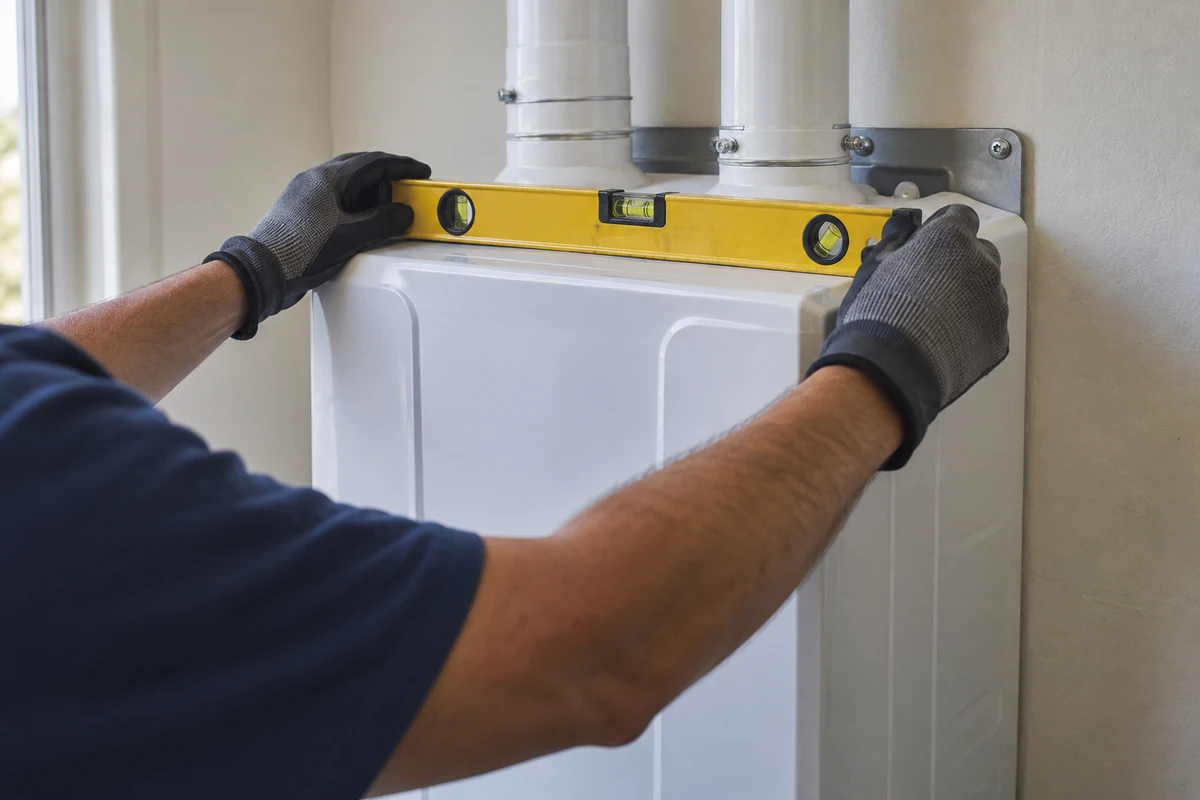 09 /
Hot water, planned around your home.
Explore service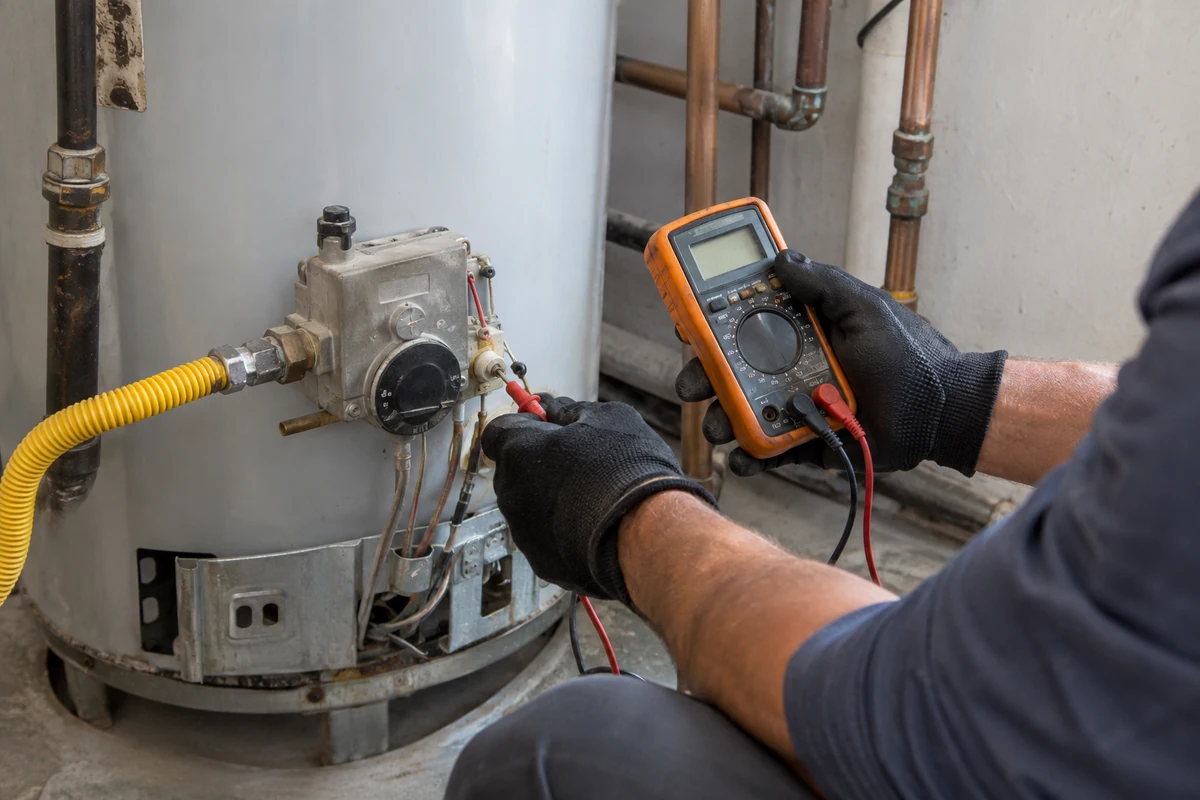 10 /
Diagnose the issue. Restore your comfort.
Explore service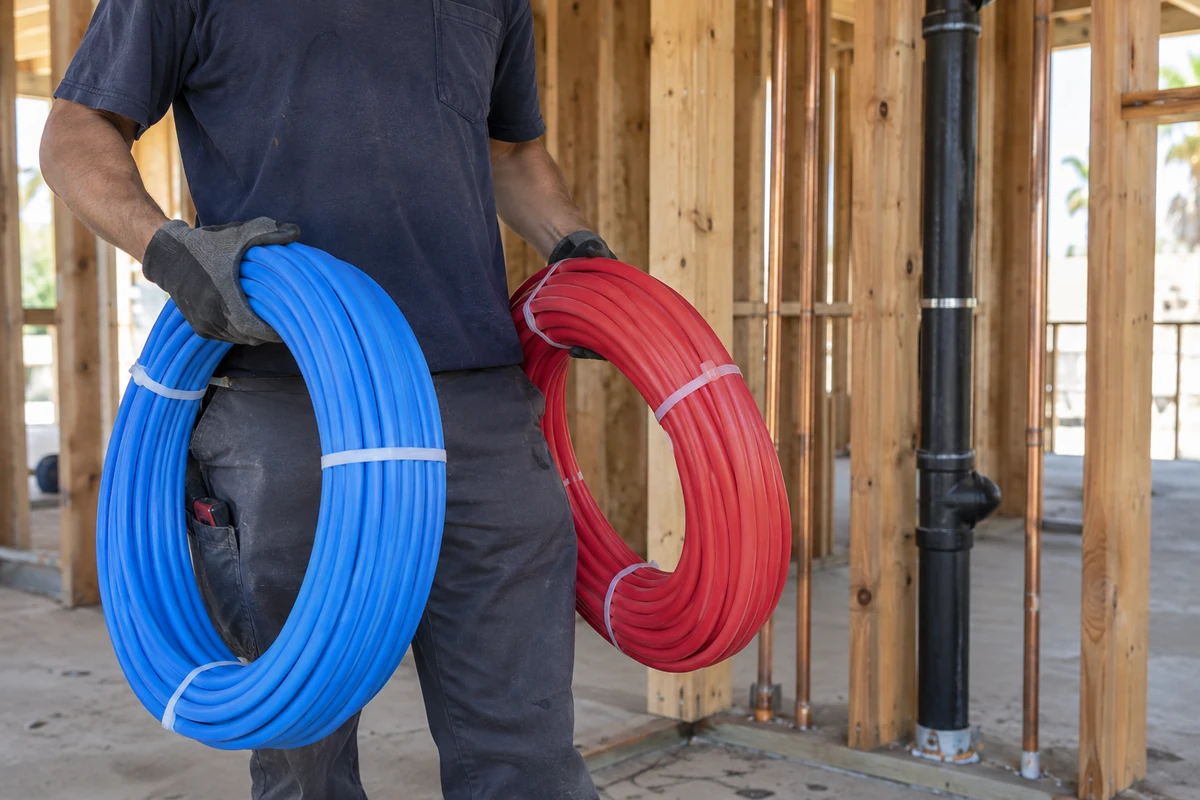 11 /
Every fixture. One coordinated system.
Explore service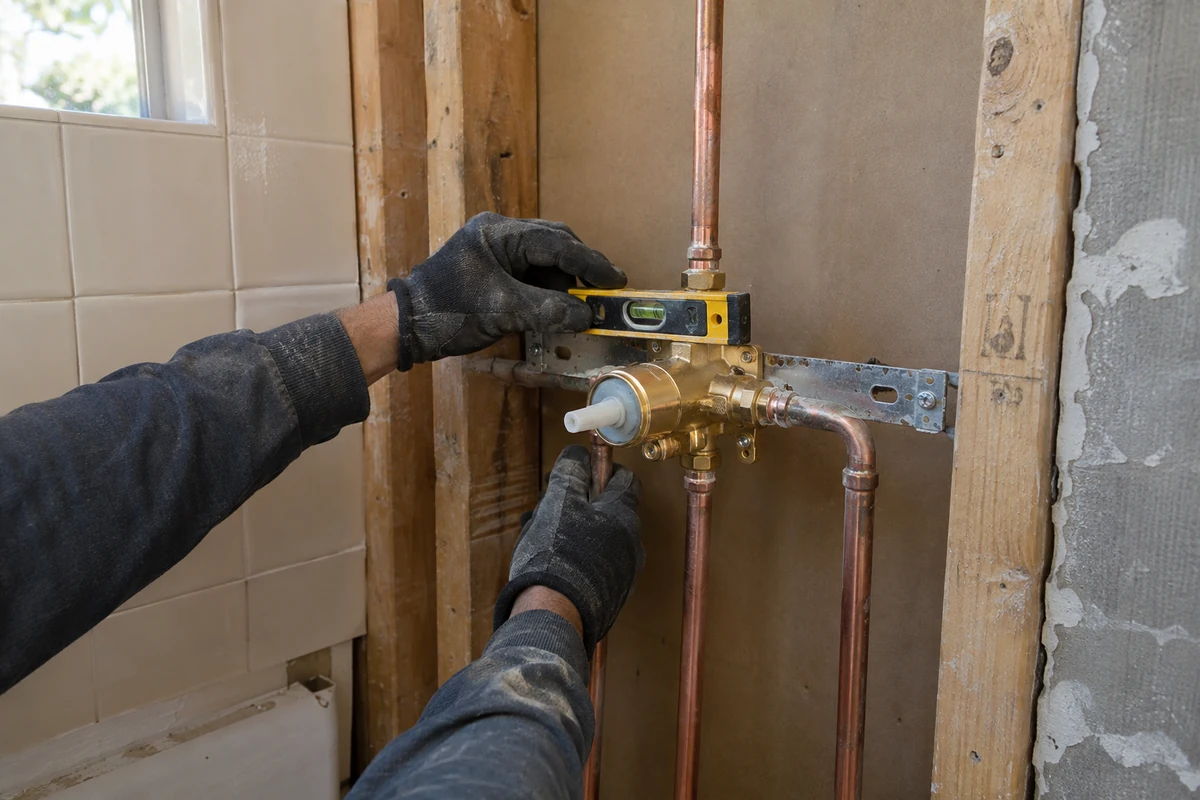 12 /
Beautiful spaces start behind the walls.
Explore service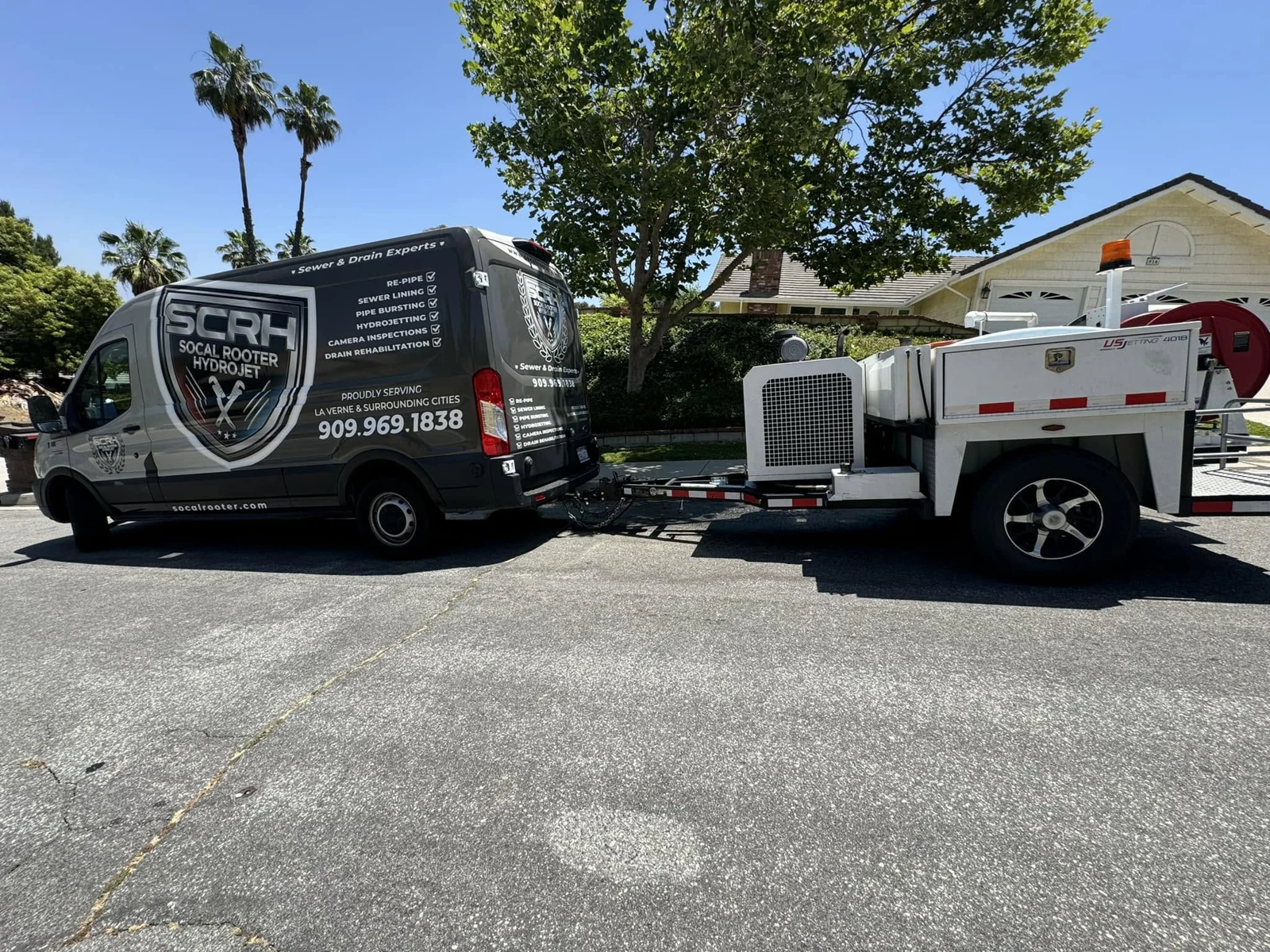
See our equipment and work in context on the official SoCal Rooter Facebook page. To discuss your own property, share your address and the work you need with our office.
PROJECT DETAILS FROM OUR CREW
Follow our Pasadena CIPP project with a field photo, original project video and an explanation of the lining work.
See how descaling and hydro jetting prepared a restaurant sewer for four CIPP liners installed through one access point. View the project photo, video and scope.
Each project reflects its own pipe condition and access. Request an assessment for your property.
The twelve services listed above cover different problems and project stages. You can describe what is happening without deciding in advance which tools or repair method are needed. Start with the affected fixture, equipment or system, then consider whether the issue is isolated, recurring or part of a planned renovation. The service pages explain the available approaches and the questions to raise during an assessment.
Drain cleaning can be a starting point for an obstructed sink, shower, toilet or main line. Hydro jetting may be considered for heavier buildup in a suitable pipe. Repeated problems can call for a sewer camera inspection to help identify visible conditions before further cleaning or repair is recommended. Tell the team whether multiple fixtures are affected and what previous work achieved. Clearing a blockage and repairing damage are different tasks, so the recommendation should match the findings.
Once damage has been assessed, the options may include localized sewer repair, replacement or a suitable trenchless method. CIPP lining rehabilitates an existing line from within; pipe bursting is a replacement approach. Those methods are not interchangeable on every property. Compare the affected section, access, condition of the surrounding pipe and restoration needs. Ask why the proposed method addresses the documented problem and whether uncertainty remains about any part of the line.
Water heater repair begins with the symptoms and condition of the equipment. Share whether the problem affects one fixture or the whole home, and provide the heater type and model if known. Installation planning considers household demand and the existing setup, including supporting connections and access. If you are thinking about changing from a tank to a tankless system, discuss the additional work that may be needed before comparing equipment alone.
Bring the proposed layout, fixture selections and renovation schedule into the conversation early. Remodel plumbing may involve relocating connections, while a full-house project can coordinate supply lines, drains, fixtures and water heating. The scope should identify which systems will change and what will remain. Discuss access through walls or floors and how plumbing work fits with other trades before finishes are completed.
Open the topics that apply to your property. These planning notes help you discuss the work, compare the scope and prepare for the next step.
A useful request for plumbing services begins with the affected area and what has changed. Describe a slow kitchen sink, repeated toilet stoppage, inconsistent hot water or unexplained moisture in ordinary language. Include when it started and whether it happens continuously or occasionally. You do not need to identify a failed component or choose equipment before speaking with SoCal Rooter about an assessment.
Keep the current situation separate from earlier history. A previous cleaning visit or equipment repair may matter, but explain what is happening now before describing older work. State whether the symptom changed after that visit and which documents are available. A clear sequence helps the next assessment without implying that every later problem must have the same cause as the first one.
For La Verne and nearby communities, share the property address and a practical access contact when requesting plumbing services. Mention whether the concern is disrupting ordinary use or whether you are planning future work. The office can discuss availability and the next step. An initial inquiry is a starting conversation, so wait for confirmation before treating a requested appointment time as scheduled.
Drain cleaning and sewer inspection answer different questions. Cleaning addresses a defined obstruction or buildup, while an inspection provides information about the section that can be evaluated. A line flowing again does not by itself establish the condition of every connected pipe. Ask what the proposed visit is intended to accomplish and which section is included before comparing service names or prices alone.
Hydro jetting may be considered for suitable piping after the relevant condition and access have been assessed. It should not be selected solely because it sounds more powerful. When discussing these plumbing services, ask why the recommended approach fits the findings and what preparation is needed. Keep the intended result clear, especially when a visit combines cleaning with a later inspection or repair discussion.
A camera record also has limits. Ask whether the intended endpoint was reached and whether an obstruction or standing water affected visibility. A partially evaluated section should remain identified as such in the explanation. If another step is recommended, ask what information it is expected to add. This keeps follow-up work connected to a specific question instead of assuming that another visit automatically resolves uncertainty.
Bring relevant earlier footage or invoices with their dates and descriptions. Tell the team about drain products already used, and avoid repeatedly running affected fixtures to demonstrate an active backup. The drain cleaning and camera inspection pages explain these plumbing services in more detail. The actual assessment should determine which approach is appropriate for the current property conditions.
When a repair is proposed, begin with the finding and the section it concerns. Ask where the work starts and ends, what it is intended to address and what remains outside the project. A local repair and a longer replacement may have different objectives. The amount of pipe involved should have an explanation connected to the assessment rather than being treated as a measure of quality by itself.
CIPP lining, pipe bursting and other sewer repair options should not be treated as interchangeable choices for every line. Ask why the proposed method fits the documented condition and which uncertainties remain. Plumbing services for repair planning should connect the method to the property. A general technology description can help you ask questions, but it does not establish suitability for your particular section of pipe.
Include access, preparation, connections and restoration when comparing proposals. A short underground repair can still require a defined work area, while a trenchless description does not eliminate every access requirement. Ask which surfaces may be affected and what finish work is included. Keep separate responsibilities clear so the completed plumbing task is not mistaken for completion of every related restoration item.
SoCal Rooter also offers water leak detection. Describe visible moisture, the area where it appears and when you first noticed it. A stain, damp cabinet or unexplained change in water use can prompt questions, but it should not be turned into a confirmed pipe diagnosis before assessment. Keep the location of the symptom separate from a guess about the source hidden behind or beneath it.
A short timeline is useful when the concern is intermittent. Record whether the moisture appears after ordinary fixture use or whether it was noticed during another activity, without deliberately recreating the condition. Safe photographs can document what was visible at a particular time. They provide context for plumbing services, but a photograph alone does not establish every possible source or the complete repair required.
Share recent plumbing or renovation records where relevant. Say what work occurred and whether the symptom was noticed before or afterward, without assuming that sequence proves responsibility. If an area is inaccessible, describe the limitation rather than opening walls or disturbing equipment to investigate. The assessment should identify what access and next steps are appropriate for the condition actually found.
Ask how the findings will be explained and how any repair recommendation will be separated from the diagnostic visit. Clarify whether access openings or restoration are included in the proposed scope. If water is near electrical equipment or another hazardous condition is suspected, keep clear and seek appropriate urgent assistance. A routine appointment request should never require taking a risk to obtain more detailed information.
For a hot-water concern, describe which fixtures are affected and whether the issue involves waiting, changing temperature or an interruption during use. These experiences should not be collapsed into one assumed fault. Provide the equipment model and service history if readily available, but do not remove covers or adjust gas or electrical components to gather information before the assessment.
Repair and installation are different plumbing services with different scopes. If replacement is discussed, ask which findings support considering it and what the installation includes. Compare equipment identification, supporting work, access, removal and completion checks. A product price alone does not describe the complete project, and equipment age should not replace an explanation of the condition being addressed.
When choosing equipment, describe normal simultaneous uses and confirmed changes in occupancy. A busy everyday routine is different from an occasional visit by guests. Explain which result you want to improve and ask how the proposed option addresses it. A tank-to-tankless change also needs an assessment of the existing setup; it should not be assumed to involve only exchanging one unit for another.
Ask how the interruption will be communicated and who will confirm normal use can resume. Keep the installed model, completed scope and applicable instructions after the visit. Our repair and installation pages provide more context for these plumbing services. Future maintenance should follow the guidance for the actual equipment rather than a generic checklist for an unrelated model.
Bring the proposed room layout and available fixture selections into the discussion early. Identify which choices are final and which remain under consideration. Moving a kitchen sink or changing a bathroom arrangement can involve different work from replacing a fixture in its existing position. The scope should reflect the intended layout instead of relying on assumptions that change after plumbing work has begun.
For whole-house planning, identify the systems and areas included rather than assuming every pipe, fixture and appliance will be renewed. Ask what remains and how new work connects with the existing arrangement. These plumbing services benefit from a clear boundary, especially when a renovation combines supply work, drainage, fixtures and water heating but the household expects different results from each part of the project.
Clarify who coordinates decisions between plumbing and finish contractors. A revised fixture selection or layout should reach the appropriate people before dependent work proceeds. Keep approved changes with the current plan so one provider is not working from an older version. This helps the project maintain a consistent direction without treating every preliminary design idea as an already authorized construction detail.
Discuss access through walls or floors and the division of responsibility for closing and finishing affected areas. Ask which stages require plumbing availability and which restrictions continue until another task is complete. The remodel plumbing and full-house plumbing pages explain related plumbing services. A useful plan connects the approved design, actual scope and handoffs rather than leaving those relationships to be resolved after finishes are installed.
Describe gates, stairs, locked rooms, stored items and shared areas that affect the route to the work. The person booking may know the property well, but the contractor does not automatically know its entry procedures. Ask which ordinary items should be moved. Do not remove covers, expose piping or move connected equipment simply to make the site appear ready before the assessment.
Identify who provides access, who can explain the symptoms and who may approve a revised scope. Those roles can belong to different people in a rental or managed property. Share the relevant notes beforehand and keep an appropriate decision contact reachable. Plumbing services are easier to coordinate when the crew does not have to infer authority from whoever happens to be present at the appointment.
If the scope changes, ask what new finding prompted it, which task is proposed and how it affects the agreed plan. A scheduling update is not the same as approval for additional work. Keep the explanation and authorization with the project record so the final scope remains understandable to an owner, manager or later service provider who was not present for the conversation.
At handover, ask what was completed, what the findings establish and whether any limitation or recommendation remains open. Keep the actual section or equipment identified. A note that the plumbing was serviced may be too broad for future use. The record should not imply that every connected system was inspected or repaired when the visit addressed only a defined area or task.
Store the original concern, accepted scope, approved changes, completed work and available findings together. Retain supplied instructions and written terms with the relevant project. A recommendation should remain marked as proposed until it is completed or clarified. This simple organization helps future plumbing services begin with accurate history instead of an assumption that every item discussed during an earlier visit was carried out.
If a symptom returns, describe its current location and timing before concluding that it has the same cause. Explain whether the new event resembles the original pattern and what changed after service. Share the relevant record rather than a broad statement that nothing worked. A factual comparison gives the next assessment a clearer question while leaving the technical relationship to be evaluated.
You can review actual work on our project page and request an assessment for your own property. Each project has its own condition, access and scope. When discussing plumbing services with SoCal Rooter, provide your address, present concern and available history so the next conversation focuses on the work your property needs rather than a method selected from another project's photographs.
YOUR NEXT STEP STARTS HERE.
Ask us about service or scheduling. For urgent issues, call 909-969-1838.