Sewer Pipe Lining in La Verne.
A new pipe within your existing line.
Sewer pipe lining uses cured-in-place pipe (CIPP) to rehabilitate a suitable sewer without excavating its full length.
THE RIGHT APPROACH
Is sewer pipe lining suitable for your line?
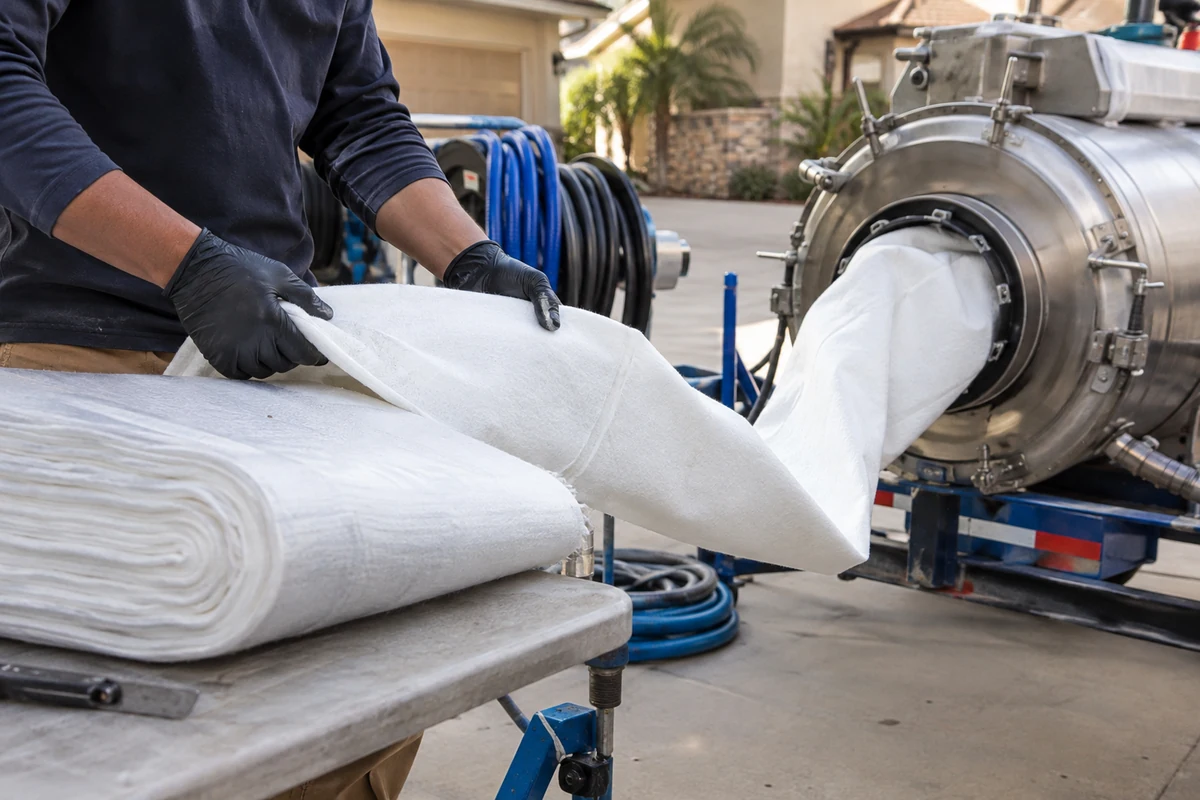
Sewer pipe lining installs a CIPP liner inside a prepared existing pipe. Once cured, it forms a new interior pipe surface. Camera inspection, preparation and the condition of the existing line are central to deciding whether lining is a suitable repair. Our team specializes in evaluating and carrying out these projects. Sewer pipe lining is not right for every line; a collapsed or badly misaligned pipe may need replacement instead. When sewer pipe lining fits, it can renew the line through existing access points.
- CIPP lining specialists
- Camera inspection and pipe preparation
- Repair options for difficult-to-access lines
Local service, planned for your property.
SoCal Rooter & HydroJet is based in La Verne and serves nearby communities including San Dimas, Claremont, Pomona, Glendora and Upland. Check the complete service area and contact our team to confirm availability at your address.
When you call, describe the issue, the fixtures affected and any earlier inspection or repair. We review the conditions, explain suitable options and discuss the estimate before work proceeds. Online requests require office confirmation.
WHAT TO EXPECT
7 Sewer Pipe Lining questions,
answered.
Can a collapsed pipe be lined?
A collapsed or badly deformed line may require another repair method. An inspection is needed to evaluate suitability.
Is lining the same as drain cleaning?
No. Cleaning removes buildup; lining rehabilitates a suitable existing pipe.
What does CIPP stand for?
CIPP means cured-in-place pipe. A liner is placed inside a prepared existing sewer pipe and cured to form a new interior pipe surface. The existing line must be assessed to determine whether it is suitable for lining.
What preparation does sewer pipe lining require?
The team inspects the line, evaluates its condition and plans access and preparation. Cleaning and any necessary preliminary repair are part of the proposed scope; the estimate should explain what your line needs.
How is the section selected for CIPP sewer lining?
The proposed section should follow the inspection findings and the condition of the existing line. Ask where the liner would begin and end, why those boundaries were chosen and whether nearby pipe has also been assessed. A short damaged area and a longer deteriorated section may call for different scopes. Existing connections and the ability to prepare the pipe also matter. If the reported problem concerns alignment or another condition beyond the pipe surface, ask whether lining addresses that issue or whether separate work is needed. The purpose is to match the proposed rehabilitation to the problem, rather than assume that lining resolves every sewer defect.
What should I plan around while a sewer liner is installed?
Discuss access, equipment placement and the periods when the affected sewer must remain out of use. Preparation and installation requirements depend on the line and the selected system, so request a project-specific sequence instead of assuming a standard duration. Tell the team about occupants, tenants, pets and any fixtures connected to the affected section. Agree who will communicate when plumbing use must pause and when it can resume. If preparation reveals another issue, ask how the findings and options will be reviewed. Do not plan around a curing-time claim taken from an unrelated project; the schedule should reflect the proposed work at your property.
What documentation should I keep after sewer pipe lining?
Ask for the available records identifying the lined section, the work completed and any limitations that remain outside that scope. These may include job notes, photos or inspection footage, depending on the project and agreed documentation. Ask how existing connections were addressed and how the completed work was checked. Keep the estimate, approved changes and any written care or warranty information together. Future plumbers may benefit from knowing which part of the sewer was rehabilitated and when. If symptoms return elsewhere, those records help avoid treating the entire drainage system as though it received the same repair.
YOUR NEXT STEP STARTS HERE.