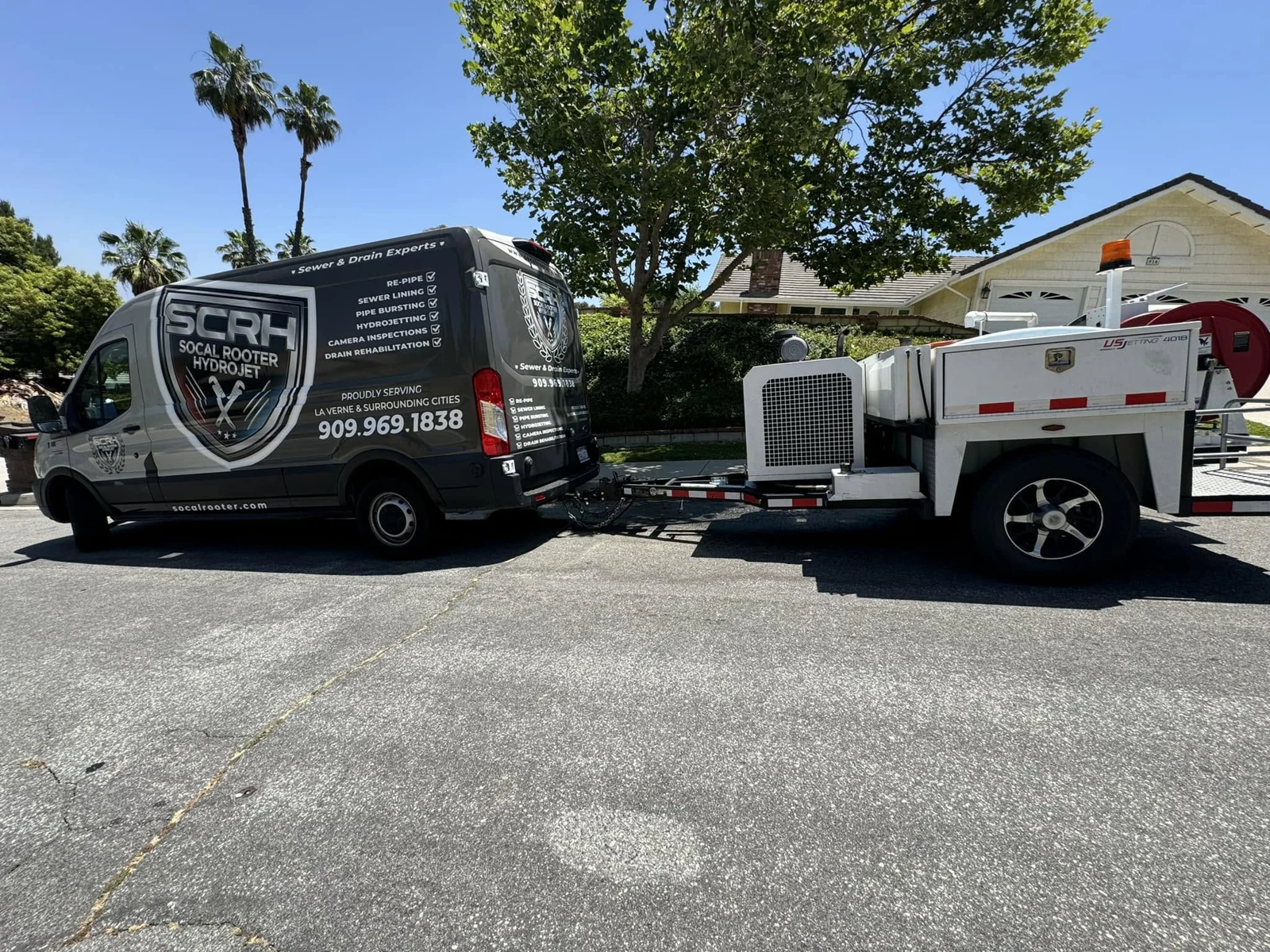
Protect what’s home.
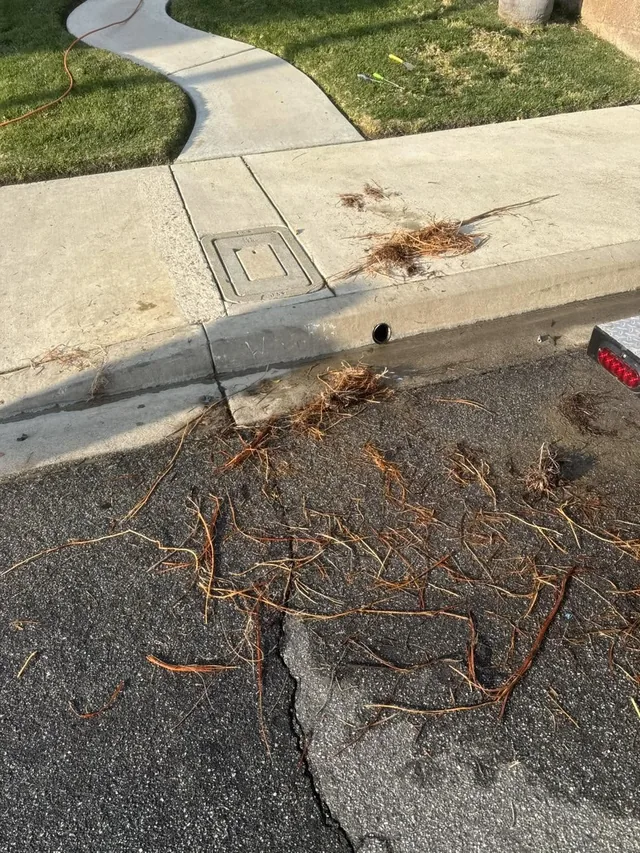
Recurring backups, root damage or an aging sewer line? Explore lasting repair and replacement options with a plan that considers your home, landscaping and access.
 SOCAL ROOTERPLUMBING & HYDROJETCAN’T WAIT? CALL US RIGHT AWAY909-359-7014 ↗
LA VERNE + SURROUNDING COMMUNITIES
Recurring clogs, root damage or a failing sewer line? Get a clear plan for hydro jetting, sewer repair or replacement in La Verne and nearby communities. We assess the line and explain the right approach for your property.
Need help today? Call 909-359-7014 ↗Speak with our team about current availability.
Prefer a simple form? Request service here ↗
Residential + Commercial · Based in La Verne · Family owned since 2006
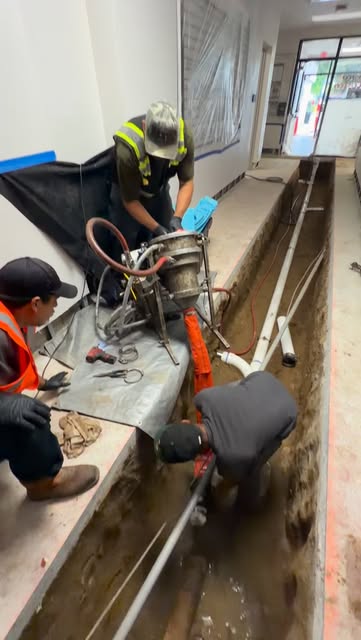
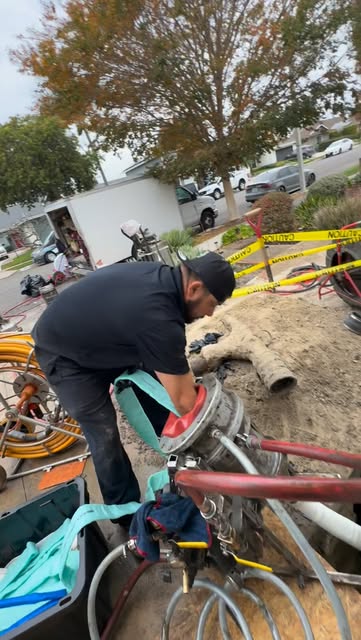
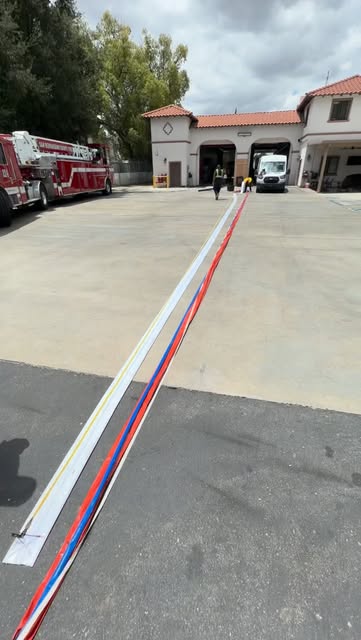
See our crew and equipment in action. Open either project video for a closer look.
SEWER REPAIRS. REAL CUSTOMER EXPERIENCES.
YOUR PROPERTY. YOUR PRIORITIES.
Recurring backups, root damage or an aging sewer line? Explore lasting repair and replacement options with a plan that considers your home, landscaping and access.
For property managers and business owners planning significant sewer work. Discuss site access, tenant coordination, operating hours and the scope of a repair or replacement.
THE RIGHT APPROACH STARTS HERE
Tell us what you’re seeing. We’ll discuss the right assessment before recommending hydro jetting, repair or replacement.
THE EQUIPMENT. THE EXPERIENCE. THE PLAN.
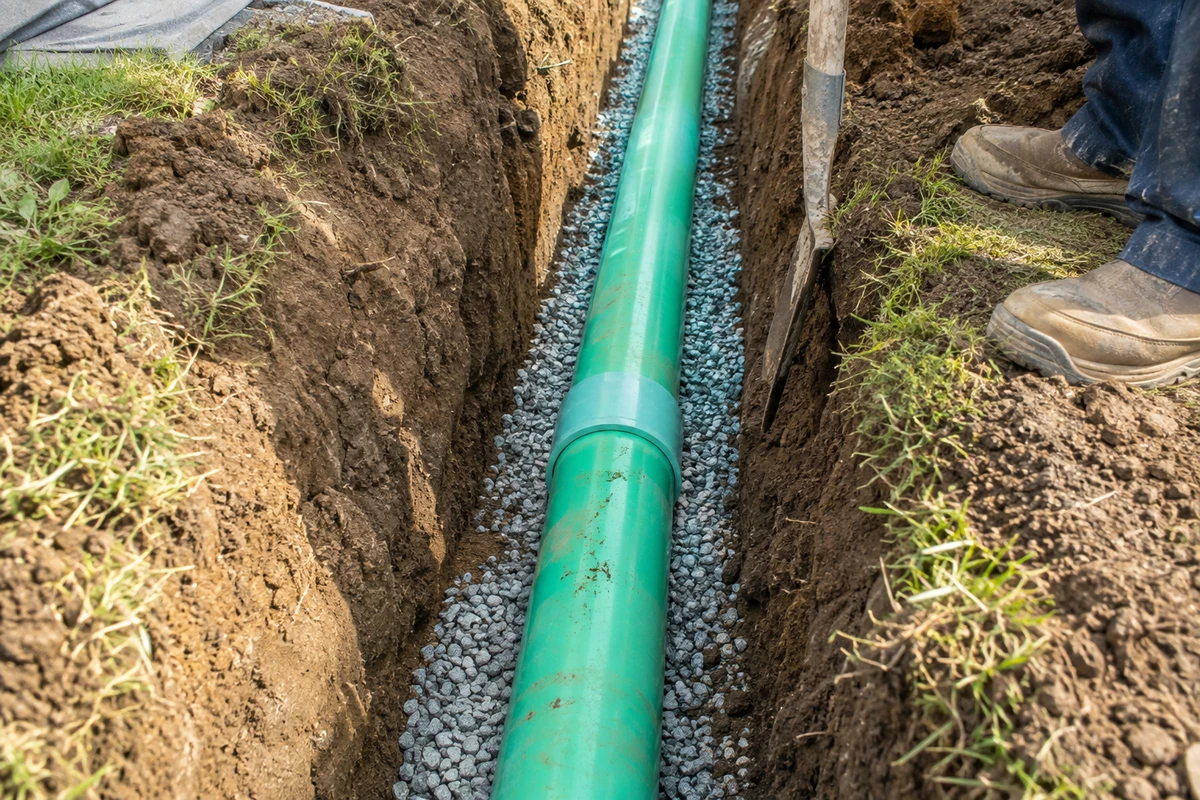
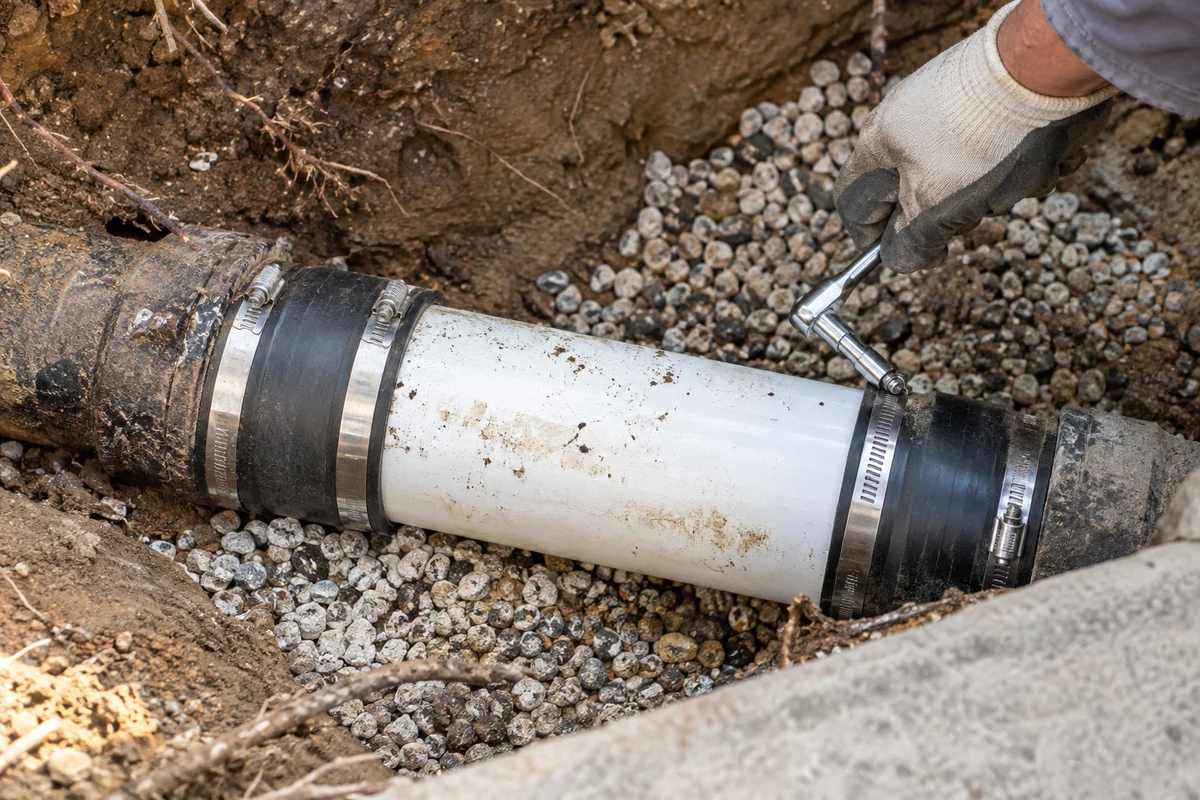
Every property is different. Pipe condition, access and the extent of damage help determine whether hydro jetting, repair, lining, pipe bursting or replacement makes sense.
BACKUP OR AN URGENT SEWER ISSUE?
Call to discuss current availability. Online requests are reviewed during business hours and are not emergency dispatch.
Hydro jetting uses high-pressure water to remove grease, sludge and buildup from suitable drain and sewer lines. We assess pipe condition and access first. Cleaning does not repair a broken pipe; damage may call for sewer repair or replacement.
No. Choose the closest service or select Other and describe the issue. The appropriate method depends on an assessment of your property.
No. Our office will contact you to discuss your request and confirm availability. A visit is scheduled only after confirmation.
We primarily serve customers within 25 miles of La Verne, and we’re willing to travel farther when needed. Outside that area? Just ask—send your city or ZIP code and tell us about your project.
When you request sewer service, tell us which fixtures are affected, where the symptoms first appeared and when the problem started. If this follows an earlier visit, include the approximate date and what changed after the sewer service. Mention which areas of the property the technician can access and who can approve any proposed sewer service.
The sewer service request is the start of the conversation. Use it to describe the issue and share a way for the office to reach you. If wastewater is backing up or service at the property is interrupted, call to discuss current availability. The office confirms appointment timing separately.
Describe how often you notice the problem and which fixture is affected first. A brief timeline can be more useful than a guess about the cause. If it only happens during a particular appliance cycle, after heavy use or when another fixture runs, include that detail. For a recurring problem, mention the date of the last visit and how long the earlier work appeared to help.
If drainage is currently normal, tell us what you saw when the problem was active. Use observations you already have. You do not need to run another cycle to reproduce an overflow. If the issue is active and water is spreading or sewage is backing up, call and explain the immediate effect so the scheduler can discuss current availability.
Provide the service address, unit number and the name of the person who will meet the technician. If multiple units are affected, collect a short description for each one. Identify a property manager or owner who can review findings and approve work, especially if that person will not be on site during the visit.
If the technician needs access to shared equipment, a locked utility area or a vacant unit, tell the scheduler ahead of time. Use a single contact who can pass along any updates to occupants. After the visit, ask where findings and any recommendations will be sent so the right people can review them.
If another contractor provided footage, note the date, what portion of the line was inspected and what question remains. For example, ask whether an observed defect explains the backup or whether a previously inaccessible section still needs review. Share any written scope or location notes before a follow-up appointment if you have them.
If sewer service has taken place since the recording, describe what was done and when. The conditions shown in earlier footage may differ from the conditions at the property today. Ask whether the crew can use the previous report to plan a visit and what additional information may still be needed before recommending a repair.
If an estimate is already available, identify the item you want to discuss. Ask whether the scope covers assessment, cleaning, repair or replacement and which areas it includes. Mention any access, parking, timing or restoration requirement the crew needs to account for before it schedules the work.
If you need to confirm responsibilities with another contractor, ask what information each person should share. Useful records may include a marked location, a written description of the proposed work or a list of areas that will need access. Have the decision maker available if the proposed work needs clarification before it can proceed.
When requesting a copy of an estimate, invoice or inspection summary, include the job address and the date of the appointment. If you have a work order or other job reference, include it so the office can identify the right record. State what you need and where the office should send it.
If the same symptom returns, explain which fixtures are affected now, how soon it returned and what has changed since the visit. A symptom that looks familiar can have a different cause. Share photographs or notes from ordinary use if they help explain the issue, and ask what the next assessment should cover.
Begin with the findings and the concern that prompted the assessment. A recurring backup, an earlier repair recommendation and a documented damaged section provide different information. Describe the current symptom and available history without deciding that a complete new line is required before the provider has explained the assessed condition and the practical options for the property.
Ask what makes sewer replacement appropriate for the section being discussed. The explanation should connect the observed condition to the intended result and identify why a narrower task may or may not address it. A broad statement that the pipe is old is not a complete project scope; the homeowner needs the reason for the proposed work.
Keep available inspection records with their dates and any stated limitations. If the view was incomplete, ask which question remains unanswered and how that affects the decision. Do not treat unseen piping as confirmed suitable or unsuitable based only on what was visible elsewhere in the recording.
Tell the team about work completed after an earlier inspection or proposal. The current arrangement may differ from the one described in the old record. An accurate timeline helps the provider review the right starting information, while uncertain details should remain labeled as uncertain rather than filled with an assumed history.
Ask where the proposed work begins and ends and which connection points belong to the scope. Use recognizable property information where possible so the boundary remains understandable after the planning conversation. Replacing a selected sewer section does not automatically describe work on every interior fixture drain or another branch at the address.
For sewer replacement, identify what will remain in place as clearly as what will change. Ask how the new section relates to the retained system and whether another observed concern needs separate assessment. This prevents a localized or defined project from later being remembered as renewal of all drainage piping at the property.
Share known additions, detached occupied areas and relevant previous underground work. State whether the information comes from plans, a service record or personal recollection. The provider can explain what still needs verification instead of treating an old drawing or an assumed route as a complete description of present conditions.
If the sewer replacement boundary changes after additional findings, keep the approved revision with the current scope. The final record should identify the work actually performed rather than preserve only the original proposal. Clear boundaries support both the completion review and a later service visit involving another section of the system.
For example, an earlier record may describe one underground section while the current concern involves another area. Keep those boundaries separate in the sewer replacement discussion. The provider can explain whether the information relates to the present proposal without treating a limited historical record as evidence about every connected pipe.
Traditional and trenchless proposals should first be compared for suitability to the actual line and site. Ask the provider to explain the recommended method using the findings, route and access requirements. A general promise about speed or disruption does not establish which approach is appropriate for the section being considered.
A sewer replacement comparison should use the same objective and boundary. If one proposal covers a longer section or includes different connection work, identify that difference before comparing totals. The homeowner should understand whether the options are truly alternative ways to complete the same task or proposals for different project outcomes.
Include preparation, access, the main installation task, available checks and restoration responsibilities in the review. An estimate that names only the method may omit information needed to understand the finished result. Mark missing details as questions rather than assuming they are included because another provider listed them.
Explain specific property priorities, such as an occupied route or a finished surface you want considered. Ask how each assessed option relates to those needs. The comparison can account for practical preferences without letting a method label substitute for the technical assessment or promising that every surface will remain untouched.
Another comparison may involve the same intended section but different restoration responsibilities. Ask who completes the surrounding work under each arrangement. Sewer replacement proposals should be reviewed against the whole result, so a supporting task does not disappear from the decision merely because it sits outside one provider’s agreement.
Describe gates, controlled entry, stored items and occupied areas that may affect the work route. Ask what preparation is appropriate for the proposed scope. The homeowner can provide directions and practical information without opening the sewer, moving heavy covers or making alterations to demonstrate that access is available.
For sewer replacement, ask the team to identify the areas involved in the actual access plan. Keep the expected work specific to the property rather than assuming a general method description predicts every opening or surface effect. If information remains unverified, identify the question and how it will be reviewed before relying on the plan.
Clarify who handles relevant protection, cleanup and finish restoration. These tasks can fall under different agreements, and the homeowner needs to understand how the complete result will be arranged. A task excluded from the sewer scope should remain visible instead of being silently treated as unnecessary or already assigned to someone else.
Ask what condition the sewer replacement provider will leave for a following trade if further surface work is separate. The word complete can mean different things at different project stages. A clear handoff description reduces confusion about whether the line work, surrounding restoration and overall property project have reached the same point.
Explain who uses the property and which activities depend on the affected plumbing. Include other households, tenants or staff where relevant. Ask the contractor to identify the actual restrictions so the responsible contact can relay a clear instruction rather than assume that a fixture appearing normal is outside the affected section.
Separate estimated timing from permission to resume normal use. Sewer replacement can involve several stages, and the end of one task does not automatically release every affected fixture. Ask who provides the contractor’s confirmation and how that message reaches everyone who may use the plumbing, including people arriving after the initial notice.
Identify the person providing entry and the person authorized to approve scope changes. They may be different. If the decision-maker will be unavailable, establish an appropriate backup and any limits on that role before work begins. The provider should not have to treat whoever is present as authorized for unspecified additional tasks.
Keep schedule updates recognizable and current. If a finding or access issue changes the sequence, state which earlier instruction the new message replaces. A sewer replacement plan is easier for occupants to follow when there is one designated communication route instead of several informal accounts of when the work might be finished.
Ask the provider to explain a new observation before reviewing the proposed response. Identify what changed from the earlier understanding and which part of the scope is affected. A clear explanation lets the homeowner consider the actual decision instead of treating every unexpected condition as automatic authorization to expand the project.
For sewer replacement revisions, review the effect on the boundary, method, access and surrounding tasks. Keep the proposed change distinct from the original agreement until the appropriate decision is made. A conversation about an option should not be mistaken for approval simply because several people discussed it onsite.
Retain the approved revision with the current project documents and update any relevant occupant instruction. The provider, owner and property contact should be working from the same understanding of what happens next. If another trade is affected, identify the handoff rather than expect that person to infer the change from the work area.
At completion, use the final sewer replacement scope rather than the earliest estimate alone. The original document remains useful as history, but it may not describe the installed result after approved changes. The record should make the progression clear enough that another reader can understand why the final work differs from the initial proposal.
Ask the provider to identify the completed method, section and relevant connections. Keep retained areas and any remaining limitation visible. A final summary that says the sewer was replaced may be too broad if the project addressed a defined portion of the system, especially when later service concerns a different branch or area.
Keep available checks or inspection information with the sewer replacement scope and explanation. Ask what the record establishes and what it does not cover. A documented result for the completed work should not be extended into a claim that every connected drain or unseen section at the property was evaluated.
Store relevant care instructions and actual written coverage terms by purpose. A general service-life expectation is different from the terms supplied for an individual installation. Ask the appropriate issuer about unclear language and keep the clarification with the original document rather than relying on a remembered statement from another project or product.
If a later symptom appears, describe its location and timing and share the sewer replacement history as context. The record helps the next provider understand what changed, but it does not diagnose the new concern by itself. Keep the current observation separate from an assumption that the same condition has returned or that all retained piping was renewed.
Use dated labels for initial and final records, retaining the originals with their explanations. A short index can identify the completed section and current open questions. This helps a future provider locate the relevant history without reconstructing the project from unnamed files or superseded estimates.
Contact SoCal Rooter with the service address, present condition and available inspection or repair history. Explain whether you are beginning an assessment, reviewing an existing recommendation or coordinating work with another property project. A clear purpose helps the office discuss the next step without assuming that a method or scope has already been selected.
For sewer replacement planning, mention known route information, ordinary access restrictions and specific property needs. Identify the source of the information and any uncertainty. You do not need to open the system or independently verify underground conditions before asking the team to review the appropriate assessment for the actual concern.
Share relevant completed-work records rather than an entire unrelated property archive. A concise packet can include the current symptom, last relevant service and the question still unanswered. Keep original documents available for detail so a brief summary does not replace the provider’s earlier explanation or omit an important limitation.
Confirm availability and appointment arrangements through the office, then keep the resulting findings and proposal together. The useful outcome is a defined decision connected to the property’s condition, boundaries and complete responsibilities. An online request starts that conversation but should not be treated as a confirmed arrival time or a promise of a particular replacement method.