Full-House Plumbing in La Verne.
A complete system. A coordinated approach.
Full-house plumbing considers supply lines, drains, fixtures and water heaters as one connected home system.
THE RIGHT APPROACH
Define the scope of your full-house plumbing project
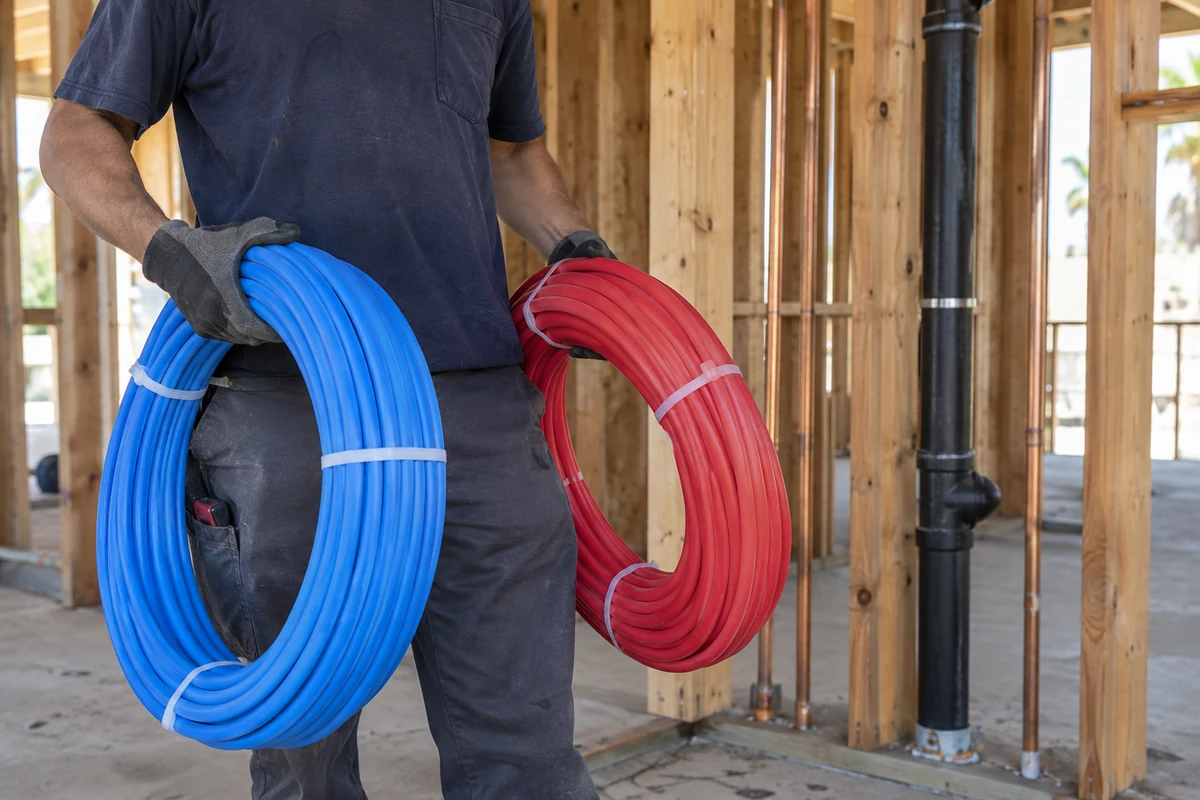
Full-house plumbing covers the systems that move water into and out of your home. SoCal Rooter handles plumbing installation, repiping and upgrades, coordinating the scope across supply lines, drains, fixtures and water heating. Discuss your property, project plans and access needs with our team to establish an appropriate assessment and estimate.
- Supply lines and drain systems
- Repiping and plumbing upgrades
- Fixtures and water-heater coordination
Local service, planned for your property.
SoCal Rooter & HydroJet is based in La Verne and serves nearby communities including San Dimas, Claremont, Pomona, Glendora and Upland. Check the complete service area and contact our team to confirm availability at your address.
When you call, describe the issue, the fixtures affected and any earlier inspection or repair. We review the conditions, explain suitable options and discuss the estimate before work proceeds. Online requests require office confirmation.
WHAT TO EXPECT
6 Full-House Plumbing questions,
answered.
What should I share when planning a full-house project?
Tell us about the property, existing issues, planned renovations and target schedule. Available plans and information about previous plumbing work help define the assessment.
What is included in full-house plumbing?
The scope may include water supply lines, drains, fixtures, repiping and water-heater connections. It is defined around the property and planned work; a full-house project does not automatically mean every component needs replacement.
Can plumbing upgrades be planned alongside a remodel?
Yes. Share proposed layouts and renovation plans early so pipe routes, fixture locations, access and water-heater needs can be considered together. The estimate should identify the plumbing work included and how it fits the project schedule.
How is repiping different from a full-house plumbing project?
Repiping usually describes work on a defined set of existing pipes, while a full-house plumbing scope may also involve drains, fixtures and water-heater connections. The terms do not by themselves tell you what will be replaced. Ask the team to identify the systems included, the sections that will remain and the reason for each proposed change. Share recurring leaks, pressure concerns, drainage problems and renovation plans so the assessment addresses the right issues. If only one system is affected, discuss whether a narrower project is appropriate. A written scope should make those boundaries understandable before walls, floors or other finished areas are opened.
Can full-house plumbing work be organized in stages?
Discuss staging during the assessment, particularly if people will occupy the home during the project. The available sequence depends on pipe routes, access and how the systems connect; it cannot be assumed that every room can remain usable throughout the work. Identify the household activities that need planning, and ask when water or affected fixtures may be unavailable. If other trades are involved, clarify who coordinates openings, access, inspections and finish repairs. A staged plan should explain the work completed at each step and what remains temporary or unfinished. The schedule needs to reflect the actual layout and scope rather than a standard promise for every house.
What should be coordinated before walls or floors are closed?
Confirm that the agreed plumbing work in those areas has been completed and that required checks or inspections have been addressed before finish work proceeds. Review fixture locations, connection needs and any access that should remain available for future service. If plans changed during the job, make sure the final scope and related costs are documented. Ask what photos or records of the installed work are available, since concealed routes may be harder to understand later. Also clarify which surfaces will be restored by the plumbing team and which belong to another trade. Coordination at this stage helps prevent avoidable reopening of completed finishes.
YOUR NEXT STEP STARTS HERE.