
Sewer Replacement in La Verne.
A new line. A considered plan.
Replace a severely damaged or collapsed sewer line with a solution planned around your property.
THE RIGHT APPROACH
Plan the scope of your sewer replacement
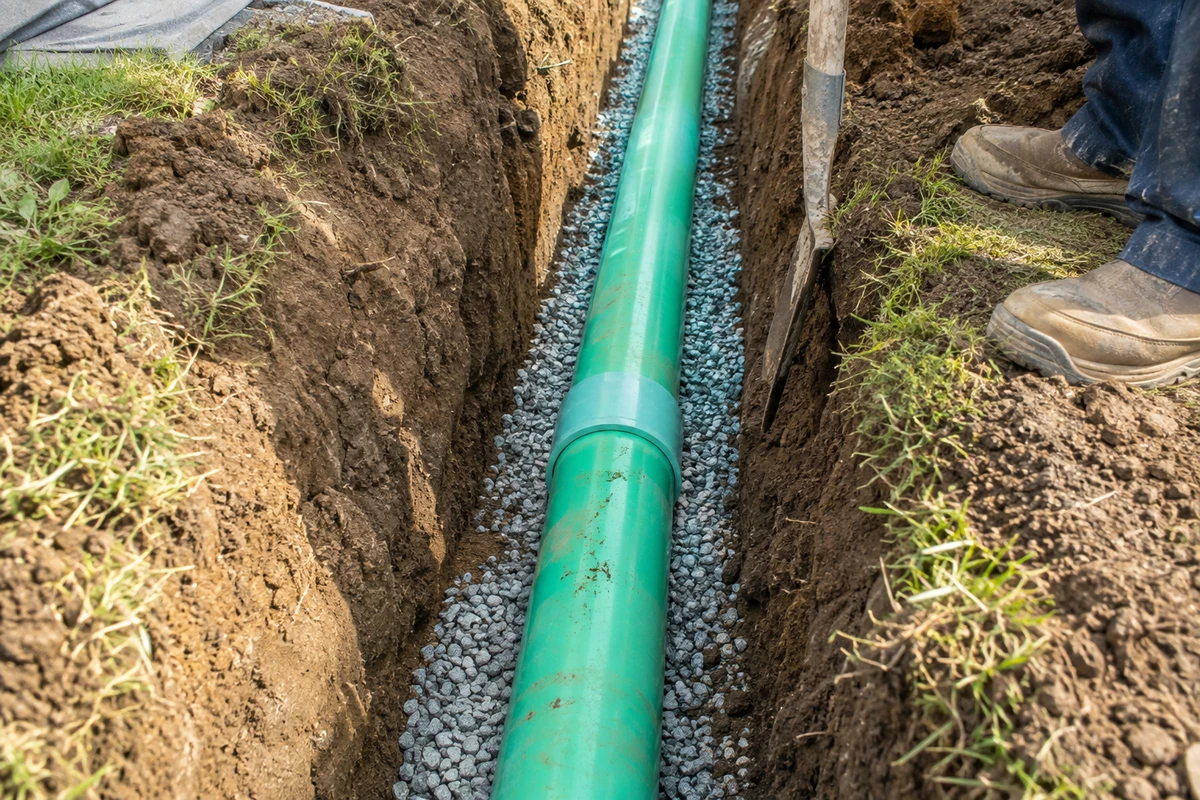
Home sewer replacement installs a new line when the existing pipe can no longer be reliably repaired. SoCal Rooter evaluates the route, condition and access before explaining traditional and trenchless options. The scope includes the proposed replacement method and the areas that may need excavation and restoration.
- Severely damaged or collapsed sewer lines
- Traditional and trenchless replacement options
- Access, excavation and restoration planning
Local service, planned for your property.
SoCal Rooter & HydroJet is based in La Verne and serves nearby communities including San Dimas, Claremont, Pomona, Glendora and Upland. Check the complete service area and contact our team to confirm availability at your address.
When you call, describe the issue, the fixtures affected and any earlier inspection or repair. We review the conditions, explain suitable options and discuss the estimate before work proceeds. Online requests require office confirmation.
WHAT TO EXPECT
6 Sewer Replacement questions,
answered.
When is replacement better than repair?
The extent of damage, pipe condition and route determine whether a localized repair, lining or a full replacement is appropriate. A site assessment helps establish the scope.
How does sewer replacement differ from pipe lining?
Replacement installs a new sewer pipe. CIPP lining rehabilitates a suitable existing pipe from the inside. The extent of damage, the route and access determine whether either method is appropriate.
What should a sewer replacement estimate explain?
Ask which section will be replaced, the proposed method, access points, excavation and restoration responsibilities, and expected scheduling. The estimate should also explain any applicable permit or inspection requirements.
Does a sewer replacement include every drain pipe on the property?
Not necessarily. A replacement proposal should identify the particular sewer section being replaced and its connection points. Interior fixture drains, another branch or a separate section may fall outside that scope. Ask the team to explain the boundaries using the inspection findings or available site information. Tell them about additions, detached structures or earlier work that may affect how the property drains. If there is uncertainty about the route, discuss what further assessment is needed. A clear description prevents confusion between replacing one underground line and renewing every drain in the home, and helps you compare proposals covering the same work.
How do I compare traditional and trenchless sewer replacement proposals?
Begin with whether each method is suitable for the existing route and the condition being addressed. Then compare access locations, the proposed replacement length, connections and surface restoration. Traditional excavation and trenchless methods can involve different disruption, but neither should be chosen solely from a general promise about speed or cost. Ask which conditions could alter the approach after work begins, how those changes would be reviewed and which applicable inspections are included. If landscaping or a finished driveway is a priority, identify the exact area you want considered. The comparison should explain the whole project, including work outside the pipe installation itself.
What should be discussed before a sewer replacement starts?
Review the access plan, expected work stages and any periods when affected plumbing will be unavailable. Agree who will coordinate occupants or tenants and how schedule updates will be provided. Discuss protection of nearby areas and the boundary between the sewer contractor scope and any separate finish restoration. Keep the estimate and approved changes accessible during the project. Before completion, ask how the replacement will be checked, which records are available and whether any remaining work must occur afterward. The schedule should be based on your property and proposed method; an estimated installation period may not include every inspection or restoration activity.
Plan the details before work begins
Open the topics that apply to your property. These planning notes help you discuss the work, compare the scope and prepare for the next step.
Establish why sewer replacement is being considered
Begin with the findings and the concern that prompted the assessment. A recurring backup, an earlier repair recommendation and a documented damaged section provide different information. Describe the current symptom and available history without deciding that a complete new line is required before the provider has explained the assessed condition and the practical options for the property.
Ask what makes sewer replacement appropriate for the section being discussed. The explanation should connect the observed condition to the intended result and identify why a narrower task may or may not address it. A broad statement that the pipe is old is not a complete project scope; the homeowner needs the reason for the proposed work.
Keep available inspection records with their dates and any stated limitations. If the view was incomplete, ask which question remains unanswered and how that affects the decision. Do not treat unseen piping as confirmed suitable or unsuitable based only on what was visible elsewhere in the recording.
Tell the team about work completed after an earlier inspection or proposal. The current arrangement may differ from the one described in the old record. An accurate timeline helps the provider review the right starting information, while uncertain details should remain labeled as uncertain rather than filled with an assumed history.
Define the sewer replacement boundaries in plain language
Ask where the proposed work begins and ends and which connection points belong to the scope. Use recognizable property information where possible so the boundary remains understandable after the planning conversation. Replacing a selected sewer section does not automatically describe work on every interior fixture drain or another branch at the address.
For sewer replacement, identify what will remain in place as clearly as what will change. Ask how the new section relates to the retained system and whether another observed concern needs separate assessment. This prevents a localized or defined project from later being remembered as renewal of all drainage piping at the property.
Share known additions, detached occupied areas and relevant previous underground work. State whether the information comes from plans, a service record or personal recollection. The provider can explain what still needs verification instead of treating an old drawing or an assumed route as a complete description of present conditions.
If the sewer replacement boundary changes after additional findings, keep the approved revision with the current scope. The final record should identify the work actually performed rather than preserve only the original proposal. Clear boundaries support both the completion review and a later service visit involving another section of the system.
For example, an earlier record may describe one underground section while the current concern involves another area. Keep those boundaries separate in the sewer replacement discussion. The provider can explain whether the information relates to the present proposal without treating a limited historical record as evidence about every connected pipe.
Compare methods using the same complete project scope
Traditional and trenchless proposals should first be compared for suitability to the actual line and site. Ask the provider to explain the recommended method using the findings, route and access requirements. A general promise about speed or disruption does not establish which approach is appropriate for the section being considered.
A sewer replacement comparison should use the same objective and boundary. If one proposal covers a longer section or includes different connection work, identify that difference before comparing totals. The homeowner should understand whether the options are truly alternative ways to complete the same task or proposals for different project outcomes.
Include preparation, access, the main installation task, available checks and restoration responsibilities in the review. An estimate that names only the method may omit information needed to understand the finished result. Mark missing details as questions rather than assuming they are included because another provider listed them.
Explain specific property priorities, such as an occupied route or a finished surface you want considered. Ask how each assessed option relates to those needs. The comparison can account for practical preferences without letting a method label substitute for the technical assessment or promising that every surface will remain untouched.
Another comparison may involve the same intended section but different restoration responsibilities. Ask who completes the surrounding work under each arrangement. Sewer replacement proposals should be reviewed against the whole result, so a supporting task does not disappear from the decision merely because it sits outside one provider’s agreement.
Review access, excavation and surrounding responsibilities
Describe gates, controlled entry, stored items and occupied areas that may affect the work route. Ask what preparation is appropriate for the proposed scope. The homeowner can provide directions and practical information without opening the sewer, moving heavy covers or making alterations to demonstrate that access is available.
For sewer replacement, ask the team to identify the areas involved in the actual access plan. Keep the expected work specific to the property rather than assuming a general method description predicts every opening or surface effect. If information remains unverified, identify the question and how it will be reviewed before relying on the plan.
Clarify who handles relevant protection, cleanup and finish restoration. These tasks can fall under different agreements, and the homeowner needs to understand how the complete result will be arranged. A task excluded from the sewer scope should remain visible instead of being silently treated as unnecessary or already assigned to someone else.
Ask what condition the sewer replacement provider will leave for a following trade if further surface work is separate. The word complete can mean different things at different project stages. A clear handoff description reduces confusion about whether the line work, surrounding restoration and overall property project have reached the same point.
Plan sewer replacement around occupancy and communication
Explain who uses the property and which activities depend on the affected plumbing. Include other households, tenants or staff where relevant. Ask the contractor to identify the actual restrictions so the responsible contact can relay a clear instruction rather than assume that a fixture appearing normal is outside the affected section.
Separate estimated timing from permission to resume normal use. Sewer replacement can involve several stages, and the end of one task does not automatically release every affected fixture. Ask who provides the contractor’s confirmation and how that message reaches everyone who may use the plumbing, including people arriving after the initial notice.
Identify the person providing entry and the person authorized to approve scope changes. They may be different. If the decision-maker will be unavailable, establish an appropriate backup and any limits on that role before work begins. The provider should not have to treat whoever is present as authorized for unspecified additional tasks.
Keep schedule updates recognizable and current. If a finding or access issue changes the sequence, state which earlier instruction the new message replaces. A sewer replacement plan is easier for occupants to follow when there is one designated communication route instead of several informal accounts of when the work might be finished.
Keep new findings separate from unapproved additional work
Ask the provider to explain a new observation before reviewing the proposed response. Identify what changed from the earlier understanding and which part of the scope is affected. A clear explanation lets the homeowner consider the actual decision instead of treating every unexpected condition as automatic authorization to expand the project.
For sewer replacement revisions, review the effect on the boundary, method, access and surrounding tasks. Keep the proposed change distinct from the original agreement until the appropriate decision is made. A conversation about an option should not be mistaken for approval simply because several people discussed it onsite.
Retain the approved revision with the current project documents and update any relevant occupant instruction. The provider, owner and property contact should be working from the same understanding of what happens next. If another trade is affected, identify the handoff rather than expect that person to infer the change from the work area.
At completion, use the final sewer replacement scope rather than the earliest estimate alone. The original document remains useful as history, but it may not describe the installed result after approved changes. The record should make the progression clear enough that another reader can understand why the final work differs from the initial proposal.
Retain completion records for the section actually replaced
Ask the provider to identify the completed method, section and relevant connections. Keep retained areas and any remaining limitation visible. A final summary that says the sewer was replaced may be too broad if the project addressed a defined portion of the system, especially when later service concerns a different branch or area.
Keep available checks or inspection information with the sewer replacement scope and explanation. Ask what the record establishes and what it does not cover. A documented result for the completed work should not be extended into a claim that every connected drain or unseen section at the property was evaluated.
Store relevant care instructions and actual written coverage terms by purpose. A general service-life expectation is different from the terms supplied for an individual installation. Ask the appropriate issuer about unclear language and keep the clarification with the original document rather than relying on a remembered statement from another project or product.
If a later symptom appears, describe its location and timing and share the sewer replacement history as context. The record helps the next provider understand what changed, but it does not diagnose the new concern by itself. Keep the current observation separate from an assumption that the same condition has returned or that all retained piping was renewed.
Use dated labels for initial and final records, retaining the originals with their explanations. A short index can identify the completed section and current open questions. This helps a future provider locate the relevant history without reconstructing the project from unnamed files or superseded estimates.
Prepare a focused local assessment request
Contact SoCal Rooter with the service address, present condition and available inspection or repair history. Explain whether you are beginning an assessment, reviewing an existing recommendation or coordinating work with another property project. A clear purpose helps the office discuss the next step without assuming that a method or scope has already been selected.
For sewer replacement planning, mention known route information, ordinary access restrictions and specific property needs. Identify the source of the information and any uncertainty. You do not need to open the system or independently verify underground conditions before asking the team to review the appropriate assessment for the actual concern.
Share relevant completed-work records rather than an entire unrelated property archive. A concise packet can include the current symptom, last relevant service and the question still unanswered. Keep original documents available for detail so a brief summary does not replace the provider’s earlier explanation or omit an important limitation.
Confirm availability and appointment arrangements through the office, then keep the resulting findings and proposal together. The useful outcome is a defined decision connected to the property’s condition, boundaries and complete responsibilities. An online request starts that conversation but should not be treated as a confirmed arrival time or a promise of a particular replacement method.
YOUR NEXT STEP STARTS HERE.