Water Heater Installation in La Verne.
Hot water, planned around your home.
Professional water heater installation for tank and tankless systems, with sizing, connections and system testing.
THE RIGHT APPROACH
Plan water heater installation around your home
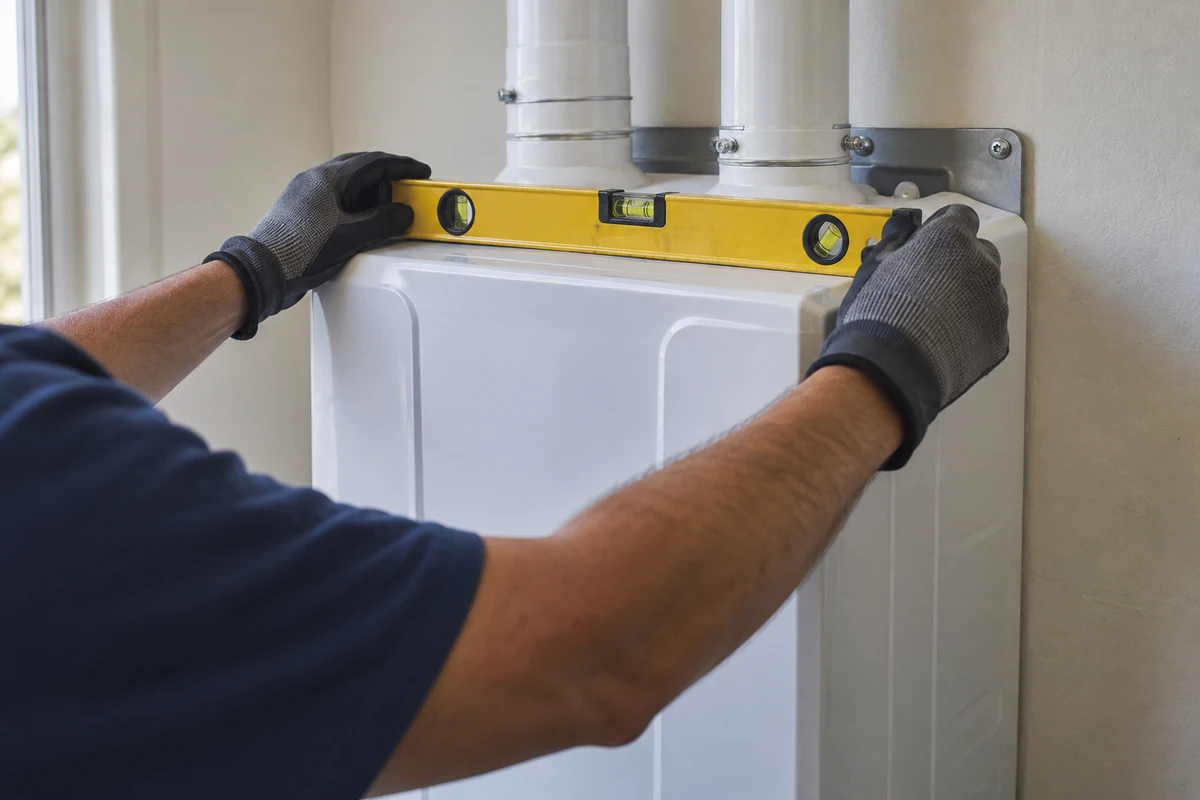
Water heater installation should account for household hot-water demand and the conditions at the installation site. SoCal Rooter reviews the existing setup, available space and household needs, then explains tank or tankless options. Installation includes appropriate connections and testing, with applicable code and permit requirements considered in the project scope. We plan each water heater installation around your household's hot-water needs, and every water heater installation ends with a check of the connections and operation.
- Tank and tankless water heaters
- Sizing for household hot-water demand
- Installation, connections and testing
Local service, planned for your property.
SoCal Rooter & HydroJet is based in La Verne and serves nearby communities including San Dimas, Claremont, Pomona, Glendora and Upland. Check the complete service area and contact our team to confirm availability at your address.
When you call, describe the issue, the fixtures affected and any earlier inspection or repair. We review the conditions, explain suitable options and discuss the estimate before work proceeds. Online requests require office confirmation.
WHAT TO EXPECT
6 Water Heater Installation questions,
answered.
Can I change from a tank to tankless?
It may be possible, but the available utilities, venting, space and household demand must be assessed. The estimate should explain any additional work required.
How do you choose the right water heater size?
Sizing starts with household hot-water demand, including which fixtures may run together, along with the existing utilities and installation space. Share your current equipment details and any recurring shortage of hot water.
What should I provide when requesting a water heater installation estimate?
Share the service address, current heater type and capacity if known, its location, and whether you want to keep the same type or discuss tankless options. Photos of the existing setup can help the team understand the request before an assessment.
How should I compare a tank water heater with a tankless system?
Compare the hot-water demand you want to meet with the conditions at the installation site. Tell the team which showers or appliances may run together and whether the current system regularly falls short. Tank and tankless options can require different space, connections and supporting work, so a unit price alone does not describe the installation. Ask what changes to utilities or venting would be needed for the options being considered. Discuss maintenance requirements and the manufacturer information for the proposed model. The appropriate choice depends on the household and property; do not assume that changing system type automatically solves every hot-water complaint.
What work should be clarified before replacing a water heater?
Ask whether the proposal includes removing the existing equipment, making the necessary connections and testing the new installation. Confirm the proposed location and discuss any access restrictions, especially if the equipment sits in a tight utility space or behind stored items. Ask which additional changes are needed for the selected model and how applicable permit or inspection requirements affect the scope. Discuss when hot water will be unavailable and how updates will be communicated if the installation conditions differ from the initial assessment. Keep the proposed equipment details with the estimate so you can compare the actual system and work being offered.
What information should I receive after water heater installation?
Request the make, model and serial information for the installed heater, along with available manufacturer instructions and the project records. Ask the installer to explain normal operation, the controls you are expected to use and how to recognize an issue that needs a service call. Discuss the maintenance guidance applicable to that model rather than adopting a generic schedule from another unit. Keep any warranty paperwork and clarify what comes from the manufacturer and what, if anything, is separately provided for the installation. Knowing the exact equipment and work completed makes later maintenance, troubleshooting and any warranty inquiry easier to coordinate.
Plan the details before work begins
Open the topics that apply to your property. These planning notes help you discuss the work, compare the scope and prepare for the next step.
Define the goal of your water heater installation
Before comparing units, identify the reason for the project. You may be replacing equipment after an assessment, planning around a renovation or considering a different system type. These starting points can lead to different questions. Explain what you want the completed installation to achieve and which current concern, if any, still needs diagnosis before equipment selection becomes the main decision.
A water heater installation should address an agreed household need rather than an assumed improvement. If the complaint is a long wait at one fixture, say so. If the concern is running short during normal overlapping use, describe that instead. Ask how the proposed scope relates to your experience, because changing equipment should not be treated as a universal answer to every hot-water symptom.
Separate an immediate requirement from optional changes. Keeping the current location, changing equipment type and moving the unit are distinct choices. Tell the installer which are necessary and which are preferences. This creates a useful order for the conversation: establish the required result, evaluate the site, then compare options that fit rather than combine several unconfirmed changes into one vague request.
Share any deadline as a planning need and wait for the office to confirm the practical next step. A desired completion date does not establish equipment suitability, site readiness or appointment availability. Clear early information helps SoCal Rooter discuss a water heater installation assessment without assuming that every project can follow the same sequence or fit a timetable selected before the scope is known.
Describe the household routine that matters
Use a typical busy period to describe demand. Identify which showers or appliances normally overlap and which are used consecutively. Include confirmed occupancy changes, while labeling occasional guests separately. You do not need to calculate equipment capacity yourself. The installer needs an honest picture of ordinary use rather than a scenario in which every possible fixture is assumed to operate continuously at once.
Explain where the present arrangement falls short and where it works acceptably. A household may want to improve one busy morning period without changing every aspect of the system. Keep the description specific. Water heater installation planning becomes more useful when the proposed result can be discussed against that routine instead of a broad request for a larger or more powerful unit.
For a structured way to collect this information, review our household hot-water demand guide. The examples help explain use patterns; they do not choose equipment for your property. A water heater installation recommendation still needs to account for the actual site and the system being considered, with any unresolved question clearly identified.
Compare complete water heater installation options
Ask each option to identify the proposed model and the installation work associated with it. A brand name or advertised capacity alone may not distinguish the equipment being considered. Keep prospective product information separate from the final selected unit. This prevents a later discussion from mixing the requirements of one model with an estimate prepared for another or with records for the old heater.
When comparing tank and tankless options, request an explanation of the supporting work for each. The existing utilities, space and arrangement need assessment for the selected equipment. Water heater installation should not be compared only through unit prices when one option involves additional changes. Ask what is included, what is excluded and which item remains provisional until the site has been evaluated.
Discuss the applicable care instructions before treating an option as a settled choice. The relevant guidance belongs to the actual model, not a generic schedule copied from unrelated equipment. Ask which service tasks require professional attention and what documents will be provided. This keeps the ownership discussion practical without encouraging the homeowner to adjust unfamiliar gas or electrical components after installation.
Keep the reason for the recommendation with the quote. A short explanation tied to household use and installation conditions is more useful than a claim that a particular system is always best. Our tank and tankless planning guide offers additional comparison questions while leaving the equipment decision connected to the actual assessment.
Review water heater installation site conditions
Describe the present equipment location and the ordinary route to it. Mention stairs, narrow passages, locked spaces or stored items that may affect access. Safe photographs can help explain the arrangement, but do not move connected equipment or remove covers to obtain them. The installer should confirm the working space and approach needed for the specific project rather than rely on a homeowner's guess.
If relocation is part of the proposed water heater installation, make that scope explicit. Ask what changes accompany the new position and how they differ from keeping the existing location. A relocation estimate is not directly comparable with an equipment-only replacement. Clear boundaries help you understand whether a difference between proposals concerns the product, supporting work or a materially different project.
Ask how applicable permits, inspections and installation requirements are handled in the scope. Keep the answer tied to the actual work instead of assuming that a previous installation establishes everything needed for the new one. If an item requires further review, mark it open. The proposal should distinguish confirmed work from a condition that has not yet been evaluated.
Explain shared-property arrangements before scheduling. Someone may control the main entry while another person controls the equipment room. Identify the authorized contact for each relevant area. Water heater installation coordination is easier when the crew does not have to resolve an unexpected access question on arrival or infer permission from whoever happens to be present at the property.
Review the proposal beyond the new unit
Read removal, connections, testing and any supporting work as separate scope items. Ask for clarification when a short description leaves their status uncertain. Do not assume a lower equipment price represents the same completed project as a more detailed installation proposal. Each provider should explain its own inclusions and exclusions rather than rely on expectations borrowed from another estimate.
Clarify the boundary of surrounding finish work. A water heater installation may involve access or nearby surfaces, but the plumbing proposal should identify what restoration is included and what is separate. If the household expects a particular finished result, discuss that before approval. This avoids treating an unspoken appearance preference as though it were already part of the agreed installation task.
Ask what happens if the assessment or work reveals a condition that changes the plan. Identify who explains the finding and who can approve the revised scope. An available contact helps communication, but it is not blanket permission for unspecified work. Keep any approved change with the original proposal so the completed project can be understood without reconstructing conversations later.
Review written warranty information for the actual equipment and work. Do not equate a broad product statement with the terms of your particular installation. Ask who provides the terms and what records should be retained. A clear water heater installation file keeps the accepted scope, applicable documents and any approved equipment change together for future questions.
Plan the interruption around occupied rooms
Ask which services will be unavailable and which stage begins the interruption. Arrival, delivery and the return to normal use are different events. Keep estimated timing labeled as estimated and tell occupants how updates will be shared. A household should not assume hot water is ready simply because the new unit has arrived or appears to be in its final position.
Choose an on-site contact who knows the concern, access plan and decision arrangements. If someone else will approve changes, make that person reachable through the agreed process. Water heater installation can involve questions that are difficult to answer when the only person present has not seen the proposal and does not know which equipment or supporting work was authorized.
Move ordinary belongings only as instructed and when safe. If a heavy, fixed or connected item obstructs the route, describe it rather than attempting an unsafe preparation step. Keep the agreed path available through removal and completion, not only delivery. The installer should explain the needed work area while the household coordinates normal movement and keeps occupants clear of that area.
If another contractor or delivery uses the same route, mention the overlap early. Ask the responsible parties to confirm a practical sequence rather than assume both activities can proceed together. Our hot-water interruption guide provides related scheduling questions for water heater installation at an occupied property without promising a standard duration for every job.
Confirm the finished water heater installation scope
Wait for the responsible installer's confirmation that normal use can resume and retain any specific instructions. The disappearance of tools or packaging is not the handover. Share the information with occupants who were absent so they receive the same guidance as the person who met the crew. Clear communication closes the project more reliably than assumptions based on how finished the work area looks.
Ask which tasks are complete and whether any follow-up remains. Keep an open recommendation separate from finished work, and clarify whether it affects ordinary use or requires a later appointment. This prevents the record from implying that every item discussed was completed during one visit. It also helps a manager or another family member understand the current status without repeating the entire planning conversation.
Observe the result during ordinary use. If a concern remains, report the fixture, timing and circumstances rather than changing controls or diagnosing a failed part. Refer to the household assumptions discussed before water heater installation. A factual comparison helps the technician evaluate the current behavior against the intended result while leaving technical conclusions to assessment of the installed system.
Keep a useful record for future decisions
Store the installation date, equipment identity, accepted scope and supplied instructions in one place. Add later service records without overwriting the original history. If the previous heater's documents are retained, label them as historical. A simple distinction between old and current equipment prevents the next appointment from beginning with a model number or care instruction that no longer applies.
When household use changes, record the new situation and its approximate start date. A future renovation or occupancy increase can alter the context used for the original water heater installation decision. Keep the earlier assumptions available rather than rewriting them to match the new routine. That gives the next assessment a clearer comparison between the installed system's original purpose and the household's current needs.
For a managed property, ensure the appropriate contact can retrieve the records and understands any open follow-up. The person arranging future service may not have attended the installation. Clear documents reduce guesswork about what was selected and completed, but they are not a guarantee about every future condition. Current symptoms still need to be described and assessed on their own facts.
To discuss water heater installation with SoCal Rooter, share your address, current equipment information and the result you want to achieve. Include known access constraints and confirmed renovation plans. The office can review availability and the next assessment step. You can arrive with useful questions without having to select a model or design the supporting installation before the property has been evaluated.
YOUR NEXT STEP STARTS HERE.